
Recreation: Why Leisure Matters for a Healthier, Happier Life
Understanding Recreation
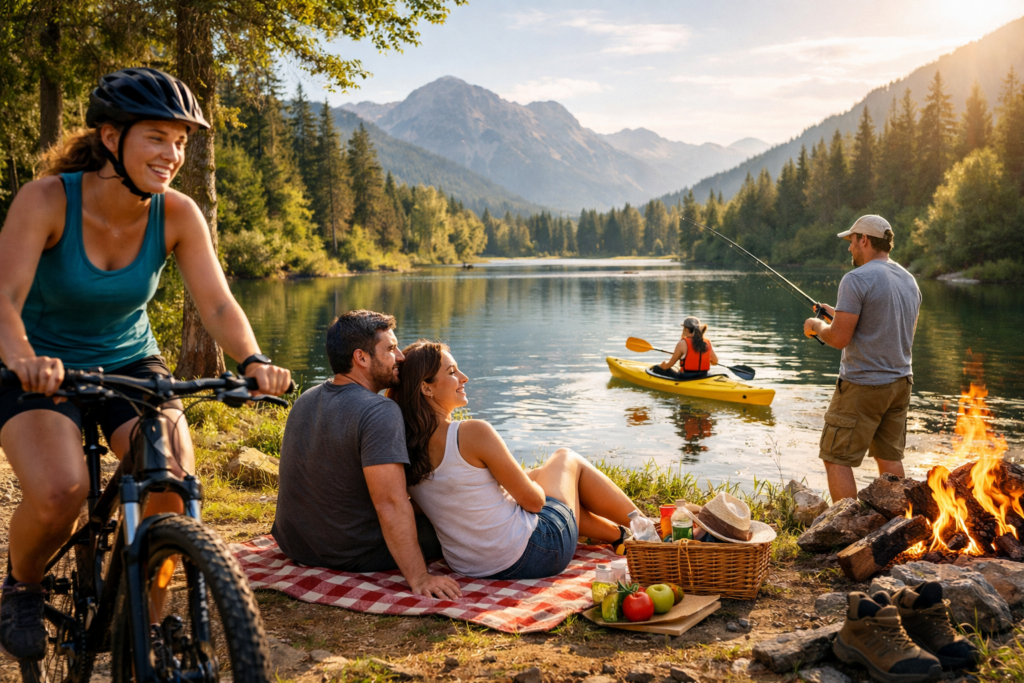
Recreation refers to activities people choose for enjoyment, relaxation, renewal, or personal satisfaction during their free time. It can include physical pursuits such as hiking, swimming, or cycling, as well as creative and social activities like painting, reading, gardening, music, and community events. While recreation is often associated with fun, its value goes much deeper. It gives individuals a chance to step away from routine demands, restore energy, and return to daily responsibilities with greater focus and resilience.
In modern life, where schedules are often crowded and stress is common, recreation plays an essential role in maintaining balance. It is not simply a reward after work; it is a meaningful part of a healthy lifestyle. People of all ages benefit from recreational opportunities that match their interests, abilities, and circumstances.
The Importance of Recreation in Everyday Life
Recreation contributes to overall well-being in multiple ways. It supports the body, sharpens the mind, and strengthens emotional health. Whether someone spends an hour walking in a park, joins a local sports team, or enjoys a quiet craft at home, recreational time can create a sense of freedom and satisfaction that daily obligations may not provide.
One of the most important aspects of recreation is that it is voluntary. Unlike work or chores, recreational activities are usually chosen for personal enjoyment. This freedom of choice increases motivation and can make the experience more rewarding. It also encourages self-expression and helps people discover new talents and interests.
Physical Health Benefits
Many forms of recreation involve movement, which can improve physical health over time. Activities such as dancing, jogging, rowing, yoga, or playing tennis help strengthen muscles, improve cardiovascular fitness, and support healthy weight management. Even less intense activities, like walking or casual cycling, can improve stamina and flexibility when done regularly.
Recreation also promotes healthier habits by making exercise enjoyable. People are often more likely to stay active when movement feels fun rather than forced. This can lead to long-term consistency, which is one of the most important factors in maintaining good health.
Mental and Emotional Benefits
Recreation is closely linked to stress reduction and emotional stability. Leisure activities can interrupt patterns of worry, reduce mental fatigue, and improve mood. Spending time in nature, engaging in a hobby, or simply participating in enjoyable social events can lower stress levels and help people feel more grounded.
Creative recreation in particular offers strong emotional benefits. Writing, drawing, cooking, photography, and music allow people to express feelings, process experiences, and build confidence. Recreational time can also increase mindfulness by encouraging people to focus on the present moment rather than on pressure or uncertainty.
Social and Community Value
Recreation often brings people together. Team sports, clubs, neighborhood events, and volunteer projects create opportunities for connection and belonging. Shared leisure experiences can strengthen friendships, improve family relationships, and reduce feelings of isolation. For children and teenagers, recreational settings are also important spaces for learning cooperation, leadership, and communication.
At the community level, recreation supports stronger and more vibrant neighborhoods. Parks, playgrounds, sports fields, libraries, and cultural centers provide places where people can gather, interact, and participate in local life. These spaces improve quality of life and make communities more inclusive and active.
Types of Recreation
Recreation can take many forms, and no single activity suits everyone. The best type of recreation is one that matches personal interests and can be enjoyed regularly. Broadly, recreational activities may be grouped into several categories:
- Outdoor recreation: hiking, camping, fishing, birdwatching, kayaking, and nature walks
- Sports and fitness: football, basketball, swimming, martial arts, aerobics, and cycling
- Creative recreation: painting, knitting, singing, woodworking, writing, and photography
- Social recreation: board games, festivals, community gatherings, clubs, and group travel
- Intellectual recreation: reading, puzzles, chess, language learning, and educational workshops
- Relaxation-based recreation: meditation, gardening, spa activities, and peaceful time in nature
This variety shows that recreation is not limited to high-energy activity. It includes both active and quiet experiences, competitive and non-competitive formats, individual and group participation.
Recreation Across Different Stages of Life
Recreational needs and preferences often change with age. Children benefit from play that supports physical development, imagination, and social skills. Teenagers often enjoy recreation that builds identity, confidence, and peer connection. Adults may seek recreation as a way to manage stress, maintain fitness, or reconnect with personal interests outside work and family duties.
For older adults, recreation can support mobility, mental sharpness, and social engagement. Activities such as walking groups, crafts, gardening, dance classes, and community programs can improve quality of life and encourage independence. Accessible recreation is especially important because everyone deserves the chance to enjoy meaningful leisure, regardless of age or ability.
Barriers to Recreation
Despite its many benefits, recreation is not always easy to access. Common barriers include lack of time, limited money, unsafe environments, few local facilities, and physical limitations. In some cases, people may also feel that leisure is unproductive or something they have not earned. This mindset can make it difficult to prioritize recreation even when it is clearly needed.
Creating a more recreation-friendly life often begins with small changes. Short walks, free community programs, home-based hobbies, and scheduled leisure time can all make a difference. Communities and policymakers also play a role by investing in safe public spaces, affordable programs, and inclusive recreational opportunities.
Making Recreation a Meaningful Habit
To gain the full value of recreation, consistency matters more than intensity. A simple, enjoyable activity done regularly can have a greater impact than occasional ambitious plans that are difficult to sustain. Choosing activities based on genuine interest increases the chance that recreation becomes part of daily or weekly life.
It can also help to balance different forms of recreation. For example, a person might combine physical activity with creative or social leisure for a more complete sense of renewal. Paying attention to how certain activities affect mood, energy, and stress can guide better choices over time.
Conclusion
Recreation is a vital part of human well-being, not a luxury to be ignored. It restores energy, improves health, deepens relationships, and brings enjoyment to everyday life. Whether it takes place in a forest trail, a sports court, a garden, a studio, or a living room, recreation helps people reconnect with themselves and the world around them. In a busy age, making room for leisure is one of the smartest and healthiest decisions a person can make.
Listings Related to the Article: Recreation: Why Leisure Matters for a Healthier, Happier Life
Sarasota Mental Health Therapy & Counseling
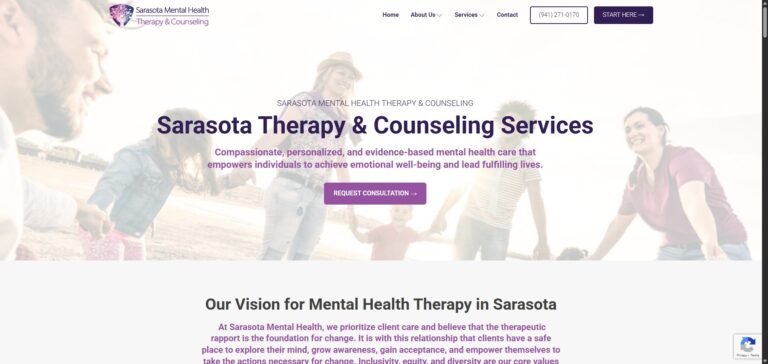
Sarasota Mental Health Therapy & Counseling provides expert mental health support in a safe, welcoming environment. Through personalized counseling and compassionate guidance, they help clients navigate life’s challenges and improve well-being.
- Category
- Health » Mental Health » Counseling Services

Life Orientations
Unlock the potential of the LIFO method with Life Orientations, a platform applying behavioral science to boost individual and group productivity.
- Category
- Science » Social Sciences » Psychology
Life Lab
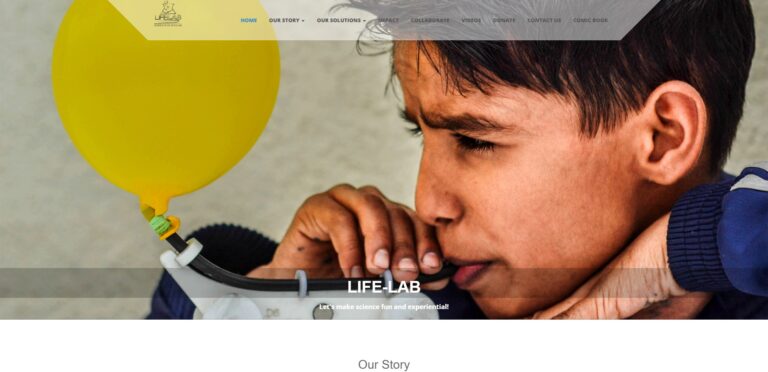
Life Lab is on a mission to enhance science education in India. With 5+ years of experience, we’re partnering with corporations, NGOs, and state governments to reach 1 million children, especially in rural areas, out of the 440 million in the country. Science is the path to a brighter future, and we’re making it accessible to all.
- Category
- Science » Educational Resources » Organizations
More Articles Like: Recreation: Why Leisure Matters for a Healthier, Happier Life
Recreation Camps: Where Adventure, Skills, and Community Come Together
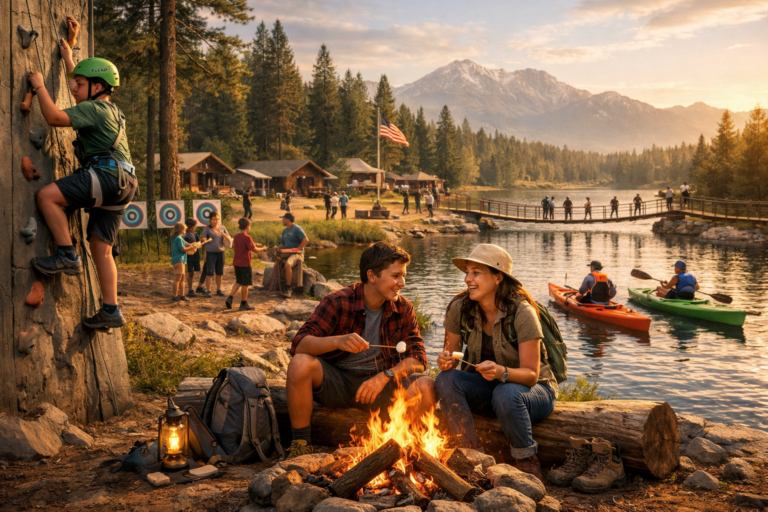
Recreation camps offer far more than a break from routine—they create spaces for adventure, learning, friendship, and personal growth. From day programs to overnight retreats, camps help participants build confidence, resilience, and lasting memories.

How Health Organizations Shape Stronger Communities
Health organizations play a central role in protecting public well-being, expanding access to care, and responding to local and global health challenges. From hospitals to nonprofits and international agencies, these institutions help build healthier, more resilient communities.

Beyond the Scoreboard: How Sports Shape Bodies, Minds, and Communities
Sports are far more than games played for entertainment. They build physical fitness, mental resilience, teamwork, and social connection while influencing culture, education, and community identity.