
Squash: The Fast-Paced Court Sport That Blends Speed, Strategy, and Stamina
Introduction to Squash
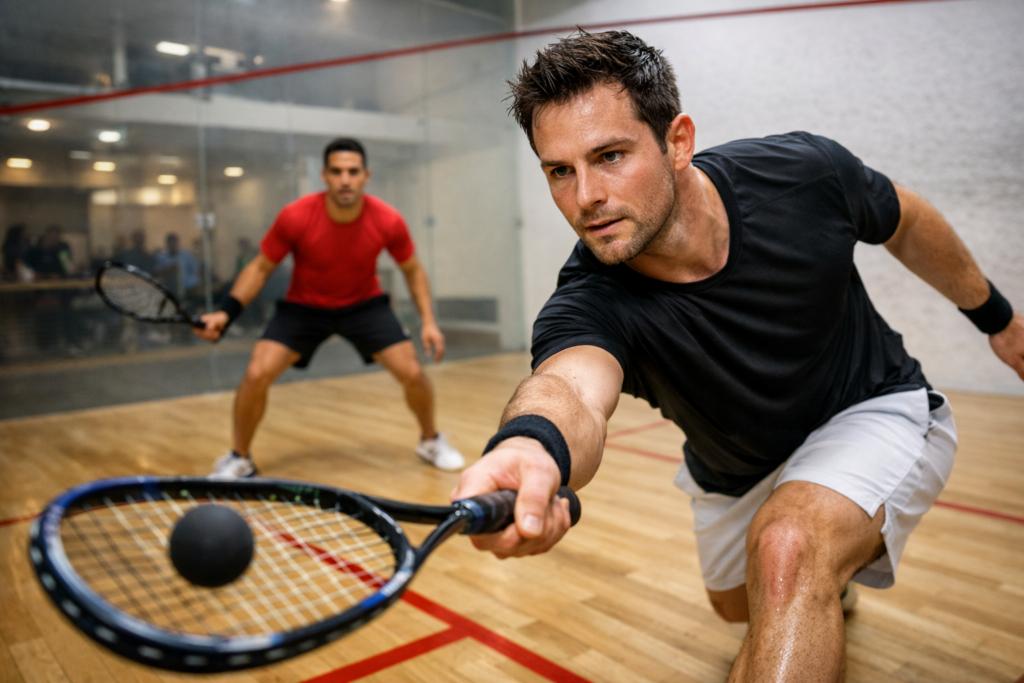
Squash is one of the most intense and rewarding racquet sports in the world. Played indoors by two players in singles or four players in doubles, the game centers on striking a small rubber ball against the front wall within a four-walled court. What makes squash distinctive is its continuous movement, rapid decision-making, and the combination of athleticism and precision required to control rallies.
Although it may appear simple at first glance, squash quickly reveals layers of complexity. Players must read angles, manage space, vary pace, and stay physically composed under pressure. The sport offers a challenging cardiovascular workout while also rewarding touch, patience, and tactical intelligence.
How the Game Is Played
Basic Objective
The aim in squash is to hit the ball so that the opponent cannot return it legally. After the ball strikes the front wall, it may rebound off the side walls, but it must be reachable within the rules of play. In most formats, the ball is allowed to bounce once on the floor before a return, though advanced players often volley the ball before it bounces to maintain pressure and control.
Scoring System
Modern squash typically uses point-a-rally scoring to 11 points. A player scores a point on every rally, regardless of who served. Games must usually be won by two points if the score reaches 10-all. Matches are commonly played as best-of-three or best-of-five games, depending on the level of competition.
Serving and Rally Rules
To start a rally, the server must stand with at least one foot in the service box and hit the ball to the front wall above the service line and below the out line. The ball must then land in the opponent’s rear quarter of the court. During rallies, players alternate shots, trying to place the ball tightly along the side walls or deep into the back corners to limit the opponent’s options.
The Court and Equipment
Squash Court Layout
A standard squash court is compact, enclosed, and marked with several important lines. The front wall includes the tin at the bottom, which acts like the net in other racquet sports; if the ball hits it, the shot is out. Above that are the service line and out line. The floor contains service boxes and a half-court line, while the side and back walls also have out lines that define legal play.
Essential Equipment
- Racquet: Lightweight and maneuverable, designed for quick swings and control.
- Ball: A small rubber ball, often identified by colored dots that indicate speed and bounce level.
- Eyewear: Protective goggles are strongly recommended and often required, especially in junior and doubles play.
- Indoor court shoes: Non-marking shoes provide grip, support, and safe movement on court surfaces.
Beginners often start with a ball that has more bounce, while advanced players typically use a double-yellow-dot ball that demands more power and proper warming up.
Skills That Define Great Squash Players
Movement and Positioning
Efficient footwork is central to success in squash. Players constantly move from the central ‘T’ position to the corners and back again, trying to recover quickly after every shot. Good movement is not just about speed; it also involves balance, timing, and the ability to conserve energy during long rallies.
Shot Variety
Squash rewards players who can mix attacking and defensive shots. Common strokes include the drive, boast, drop shot, volley, lob, and kill shot. A well-placed straight drive can pin an opponent deep, while a soft drop shot can force a sudden sprint to the front. The best players disguise their intentions and vary pace to keep opponents off balance.
Mental Toughness
Because rallies can be physically draining and tactically complex, concentration is critical. Players must remain calm under pressure, adapt game plans, and make smart choices when tired. Squash often becomes a contest of discipline as much as skill, with patience and resilience deciding key points.
Fitness Benefits of Squash
Squash is widely recognized as an excellent full-body workout. It combines bursts of explosive movement with sustained aerobic effort, making it highly effective for cardiovascular conditioning. Players also develop leg strength, core stability, coordination, agility, and reflexes.
Beyond physical fitness, squash can improve mental sharpness. The sport requires anticipation, spatial awareness, and split-second decision-making. Many players are drawn to squash not only because it keeps them fit, but also because it remains engaging and competitive at every level of ability.
Tactics and Strategy on Court
At a basic level, strong squash strategy involves controlling the middle of the court and forcing the opponent into awkward positions. Hitting the ball tight to the side walls reduces attacking opportunities. Playing deep shots can push opponents backward, while occasional short balls bring them forward and disrupt rhythm.
Another major tactical principle is shot selection under pressure. Skilled players know when to defend with a high lob, when to slow the pace, and when to attack. They do not rely solely on power. Instead, they create openings gradually, using length, width, and deception to take command of rallies.
Squash Around the World
Squash has a passionate global following, with strong traditions in countries such as Egypt, England, Pakistan, Australia, and New Zealand. In recent years, Egyptian players in particular have dominated the professional scene, helping raise the sport’s international profile with their creativity, athleticism, and technical brilliance.
The game is governed globally by the World Squash Federation, while professional competition has been elevated by major tours and high-profile tournaments. As access to courts and training continues to expand, squash remains a sport with both elite prestige and grassroots appeal.
Why Squash Continues to Grow
One of squash’s greatest strengths is that it suits many types of participants. Recreational players enjoy fast sessions and efficient workouts, while serious competitors appreciate the sport’s technical and tactical depth. It can be played year-round indoors, making it practical in many climates and urban environments.
Squash also builds a strong sense of community. Clubs, leagues, and local tournaments create social connections alongside competition. Whether someone is picking up a racquet for the first time or training at a high level, squash offers a challenging, energizing, and deeply satisfying sporting experience.
Conclusion
Squash is far more than a fast indoor game. It is a complete sport that combines endurance, explosiveness, strategy, and skill in a uniquely demanding format. With its rich history, modern competitive landscape, and outstanding fitness benefits, squash continues to earn its reputation as one of the most exciting racquet sports in the world.
Listings Related to the Article: Squash: The Fast-Paced Court Sport That Blends Speed, Strategy, and Stamina

DryMaster Systems
Situated in the sunlit region of Southern California, DryMaster Systems has thrived for more than 15 years within the realms of carpet, air duct, and dryer vent cleaning.
- Category
- Business » Business Services » Domestic Services
More Articles Like: Squash: The Fast-Paced Court Sport That Blends Speed, Strategy, and Stamina

Inside Sports Organizations: How the Institutions Behind Competition Shape the Game
Sports organizations do far more than schedule games and crown champions. They govern rules, develop talent, manage finances, and connect local participation to global competition.

Recreation Camps: Where Adventure, Skills, and Community Come Together
Recreation camps offer far more than a break from routine—they create spaces for adventure, learning, friendship, and personal growth. From day programs to overnight retreats, camps help participants build confidence, resilience, and lasting memories.

Beyond the Scoreboard: How Sports Shape Bodies, Minds, and Communities
Sports are far more than games played for entertainment. They build physical fitness, mental resilience, teamwork, and social connection while influencing culture, education, and community identity.