
Inside Sports Organizations: How the Institutions Behind Competition Shape the Game

Understanding Sports Organizations
Sports organizations are the structured bodies that oversee, promote, regulate, and develop athletic activity at every level of competition. They can range from small community clubs and school associations to national federations, professional leagues, and international governing bodies. While fans often focus on athletes and teams, these organizations provide the framework that makes organized sport possible.
At their core, sports organizations create order. They establish rules, coordinate events, certify officials, protect competitive integrity, and often support athlete development. Without them, competition would be inconsistent, safety standards would vary widely, and pathways from grassroots participation to elite performance would be much harder to build.
Major Types of Sports Organizations
Professional Leagues
Professional leagues organize top-tier competition in sports such as football, basketball, baseball, hockey, cricket, and soccer. These organizations manage schedules, commercial rights, labor agreements, disciplinary systems, and championship structures. They also generate significant revenue through broadcasting, sponsorships, ticket sales, and merchandising.
Examples include domestic leagues and international club competitions. Their influence often extends beyond sport into culture, business, and media, making them some of the most visible sports organizations in the world.
National Governing Bodies
National governing bodies oversee a specific sport within a country. Their responsibilities commonly include setting national standards, selecting representative teams, organizing championships, training coaches and referees, and promoting participation. They serve as the link between local clubs and international federations.
These organizations are essential for athlete progression because they create the systems through which talent is identified and supported. They also help ensure that sport is administered consistently across regions.
International Federations
International federations regulate sports on a global scale. They define official rules, sanction world championships, coordinate with continental and national bodies, and represent the sport in major multi-sport events. Their decisions can shape the future of a sport, including equipment standards, eligibility requirements, and anti-doping policies.
Because they operate across many legal, cultural, and commercial environments, international sports organizations must balance global consistency with local flexibility.
Community Clubs and Amateur Associations
At the grassroots level, community clubs and amateur associations are often where people first experience organized sport. These groups provide access, coaching, social connection, and local competition. Although they may not have the visibility or financial strength of larger institutions, they are critical to long-term participation and talent development.
Many elite athletes begin in volunteer-run clubs that emphasize learning, teamwork, and enjoyment. In this sense, grassroots organizations are the foundation of the entire sports ecosystem.
Core Functions of Sports Organizations
Sports organizations perform a wide range of tasks that support fair, safe, and sustainable competition. Their specific duties vary by size and level, but several functions are central across the sector.
- Rule-making and governance: Establishing regulations, competition formats, disciplinary procedures, and eligibility standards.
- Event management: Organizing leagues, tournaments, championships, and qualification pathways.
- Athlete development: Supporting training systems, coaching education, youth academies, and performance programs.
- Safety and welfare: Implementing medical protocols, safeguarding policies, and risk management procedures.
- Commercial operations: Managing sponsorships, media rights, branding, and partnerships.
- Integrity oversight: Addressing doping, match-fixing, corruption, and ethical misconduct.
When these functions are carried out effectively, sports organizations create trust among athletes, fans, sponsors, and communities. That trust is vital to both participation and public credibility.
Governance and Leadership in Sport
Good governance is one of the most important measures of a sports organization’s quality. Leadership decisions affect everything from competitive fairness to financial sustainability. Boards, commissioners, presidents, executive directors, and committees all play roles in setting priorities and ensuring accountability.
Transparent governance usually includes clear decision-making processes, ethical standards, financial reporting, and mechanisms for stakeholder input. In modern sport, organizations are increasingly expected to demonstrate diversity in leadership, protect athlete voices, and respond quickly to social and legal expectations.
Poor governance, by contrast, can damage reputations and undermine confidence. Scandals involving corruption, abuse, or financial mismanagement have shown that success on the field does not excuse weak oversight off the field.
The Business Side of Sports Organizations
Many sports organizations operate in a hybrid space between public service and commercial enterprise. Some are nonprofit bodies focused on access and development, while others are highly commercial institutions with global media audiences. Even small organizations must manage budgets, staffing, facilities, marketing, and long-term planning.
Revenue sources can include membership fees, donations, government grants, sponsorship deals, ticket sales, and broadcasting agreements. Financial stability allows organizations to improve facilities, invest in youth programs, expand events, and support innovation. However, commercialization also creates pressure to prioritize profits, media appeal, and elite competition over community access or athlete welfare.
The strongest organizations usually find a balance between mission and money. They understand that financial growth is valuable only when it supports the long-term health of the sport.
Challenges Facing Sports Organizations Today
Sports organizations operate in a fast-changing environment. Technology, social expectations, legal standards, and global competition are all reshaping how they work. Several common challenges stand out.
- Maintaining integrity: Protecting sport from doping, betting-related corruption, and manipulation.
- Improving inclusion: Expanding access across gender, disability, race, income, and geography.
- Adapting to digital media: Reaching audiences through streaming, social platforms, and direct fan engagement.
- Supporting athlete welfare: Addressing mental health, burnout, workload, and post-career transitions.
- Ensuring sustainability: Managing environmental impact through travel, facilities, and event planning.
Organizations that adapt well tend to be more innovative, collaborative, and transparent. They recognize that modern audiences expect more than competition; they expect responsibility.
Why Sports Organizations Matter
Sports organizations matter because they shape the experience of sport for nearly everyone involved. For athletes, they create the pathway to compete and improve. For coaches and officials, they provide standards and education. For communities, they offer connection, identity, and healthy activity. For fans, they deliver the structure that turns games into meaningful seasons, rivalries, and championships.
Beyond the field of play, sports organizations also influence education, public health, economic activity, and international relations. Major events can boost tourism and civic pride, while local clubs can strengthen neighborhoods and encourage lifelong participation.
In the end, sports organizations are not simply administrators behind the scenes. They are builders of systems, guardians of fairness, and stewards of the values that sport claims to represent. Their quality often determines whether sport is merely entertaining or truly impactful.
Listings Related to the Article: Inside Sports Organizations: How the Institutions Behind Competition Shape the Game

IU International University of Applied Sciences
IU International University of Applied Sciences offers a diverse range of internationally accredited degree programs, providing students with the opportunity to pursue their academic goals online from anywhere in the world. With a focus on practical application and innovative learning methods, IU empowers students to thrive in today’s globalized workforce.
- Category
- Reference » Education » Colleges and Universities

Deloitte
Deloitte is a renowned global professional services firm, offering a comprehensive spectrum of services encompassing audit and assurance, consulting, tax advisory, risk management, and financial advisory. With a pervasive global presence spanning over 150 countries and a rich history dating back to the 19th century, Deloitte stands as a premier provider of professional services.
- Category
- Business » Accounting » Firms
More Articles Like: Inside Sports Organizations: How the Institutions Behind Competition Shape the Game

Recreation Camps: Where Adventure, Skills, and Community Come Together
Recreation camps offer far more than a break from routine—they create spaces for adventure, learning, friendship, and personal growth. From day programs to overnight retreats, camps help participants build confidence, resilience, and lasting memories.
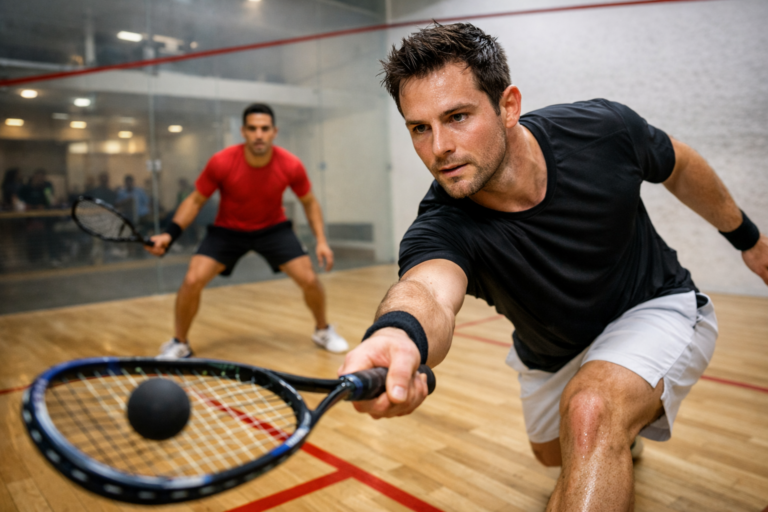
Squash: The Fast-Paced Court Sport That Blends Speed, Strategy, and Stamina
Squash is a dynamic indoor racquet sport known for its relentless pace, tactical depth, and full-body demands. From basic rules to key skills and modern global appeal, this guide explains why squash continues to attract players of all levels.

Why Higher Education News Matters More Than Ever
News about colleges and universities shapes how students, families, educators, and policymakers understand the future of higher education. From tuition and technology to research and campus life, the sector remains a critical barometer of social and economic change.