
Recreation Reimagined: How Play, Rest, and Curiosity Keep Life in Balance
What Recreation Really Means
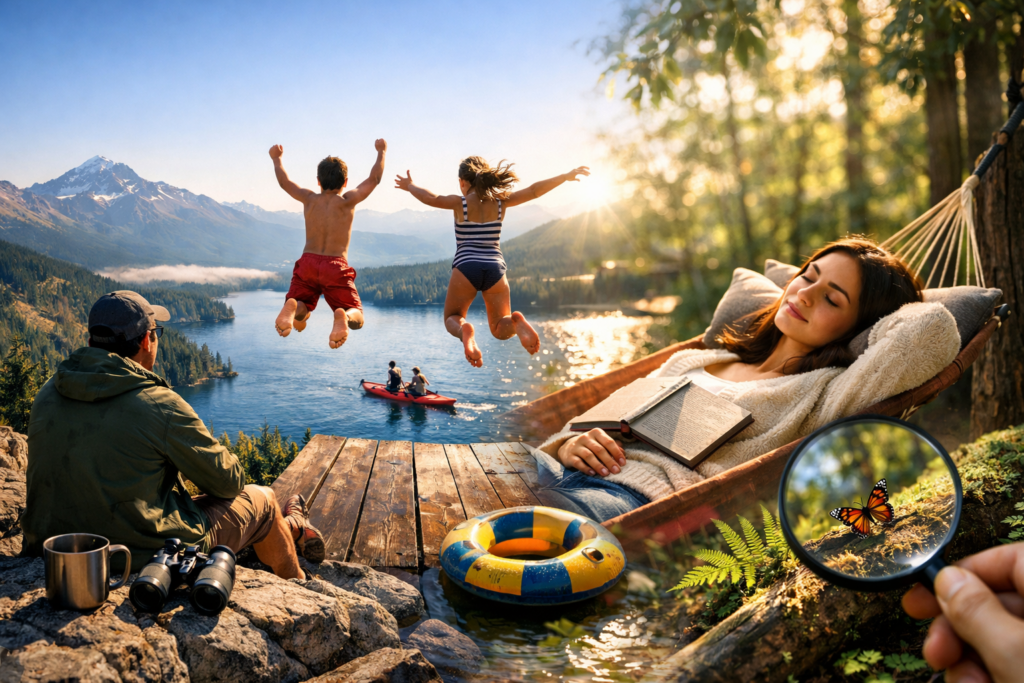
Recreation is any voluntary activity done primarily for enjoyment, renewal, or personal satisfaction. While it’s often associated with sports or vacations, recreation also includes quiet pursuits like reading, gardening, crafting, or simply taking a mindful walk. The defining feature is intention: recreation is chosen freely and experienced as restorative rather than obligatory.
In modern life, the line between work and leisure can blur—emails arrive after hours, social media becomes a second job, and “productive hobbies” can start to feel like another performance metric. Recreation offers a counterbalance. It creates space where the brain and body can recover, creativity can re-emerge, and relationships can grow without pressure.
Why Recreation Matters: Benefits Beyond Fun
Enjoyment is reason enough to recreate, but the benefits are also measurable and wide-ranging. Recreation supports health in ways that ripple into work performance, family life, and long-term resilience.
Physical Benefits
Active recreation—anything that elevates movement above baseline—helps maintain cardiovascular health, muscle strength, mobility, and coordination. Even moderate activities like dancing, hiking, swimming, or cycling can improve energy levels and sleep quality over time. Importantly, recreational movement often feels more sustainable than “exercise for exercise’s sake” because it’s tied to pleasure and social connection.
Mental and Emotional Benefits
Recreation can lower stress by shifting attention away from ongoing demands and allowing the nervous system to down-regulate. Activities with rhythmic motion (walking, rowing, skating) or focused attention (puzzles, painting, playing an instrument) often produce a calming “flow” state. In addition, playful experiences can strengthen emotional flexibility—helping people recover faster from setbacks and maintain a broader perspective.
Social Benefits
Shared recreation builds relationships through low-stakes interaction. A weekly pickup game, a book club, or a casual cooking night creates repeated contact, shared memories, and a sense of belonging. Recreation is also a powerful intergenerational bridge: families can connect through board games, nature outings, or storytelling without the intensity of formal conversations.
Cognitive and Creative Benefits
Many recreational activities challenge the brain in enjoyable ways—learning new rules, exploring new environments, or developing skills. These experiences support problem-solving and creativity by exposing the mind to novelty. Even “unstructured” leisure like daydreaming or wandering can help people form new connections between ideas.
Types of Recreation: Finding What Fits
Recreation isn’t one-size-fits-all. It varies by personality, culture, ability, season, budget, and life stage. A helpful approach is to think in categories and choose a mix that matches your needs.
- Active outdoor: hiking, jogging, kayaking, community sports, birdwatching, gardening.
- Active indoor: climbing gyms, dance classes, martial arts, yoga, recreational leagues.
- Creative: writing, drawing, crafting, photography, music, DIY projects.
- Social: game nights, clubs, volunteering, group classes, community events.
- Restorative: reading, listening to music, bathing, meditation, slow walks.
- Exploratory: local travel, museums, new cuisines, learning a hobby skill.
Balancing these categories can prevent burnout. For example, if your job is highly social, you may crave solitary recreation. If your work is sedentary, active recreation may feel especially renewing.
How to Build a Sustainable Recreational Routine
Many people believe they “don’t have time” for recreation, yet small, consistent choices often matter more than occasional big outings. Sustainable recreation is less about squeezing in entertainment and more about protecting recovery as a priority.
Start With a Clear Purpose
Ask what you need most right now: more movement, more calm, more connection, or more novelty. Choosing recreation based on need makes it easier to commit—and helps you recognize when an activity no longer serves you.
Use the “Small Window” Strategy
Not every recreational moment requires an afternoon. Ten minutes can count if it truly restores you. Consider micro-recreation options such as stretching, stepping outside, sketching, or playing one song on an instrument. Over a week, these small moments accumulate into meaningful renewal.
Lower the Barrier to Entry
Make recreation easy to begin: keep a book on the table, store walking shoes by the door, or set up art supplies in a visible container. The simpler the first step, the less willpower you need—especially when you’re tired.
Schedule It Like Something That Matters
Recreation often loses to urgent tasks because it feels optional. Putting it on a calendar turns it into a commitment. This can be as structured as a weekly class or as flexible as “Saturday morning outdoors.”
Mix Solo and Shared Activities
Solo recreation supports independence and self-knowledge; shared recreation supports belonging. A healthy mix reduces the risk of isolation without making leisure feel like another social obligation.
Common Pitfalls and How to Avoid Them
Not all leisure is equally restorative. Some activities look like recreation but leave people more drained than before.
- Turning hobbies into pressure: If every activity becomes a performance goal, enjoyment shrinks. Keep at least one “no-metrics” pastime.
- Passive overuse: Streaming and scrolling can be relaxing in moderation, but excessive passive consumption may increase fatigue. Pair passive leisure with active or creative options.
- Neglecting recovery: High-intensity recreation can be invigorating, yet constant intensity without rest can mirror work stress. Include gentle, restorative time.
- All-or-nothing thinking: If you can’t do your ideal plan, choose a smaller version. A short walk still counts.
Recreation as a Community Asset
Beyond personal benefits, recreation strengthens communities. Parks, trails, libraries, sports facilities, and arts programs create public spaces where people interact across backgrounds. Accessible recreation can reduce social isolation, support youth development, and improve overall public health.
When communities invest in safe sidewalks, green spaces, adaptive programs for people with disabilities, and low-cost activities, recreation becomes a shared resource rather than a luxury. This not only improves quality of life but also fosters civic pride and connection.
Making Recreation a Lifelong Practice
Recreation is a skill as much as a preference: it can be learned, refined, and adapted over time. What restores you at one stage of life may change later, and that’s normal. The goal isn’t to find a single perfect hobby—it’s to maintain a rhythm of play, rest, movement, and curiosity that supports your well-being.
When approached intentionally, recreation becomes more than downtime. It becomes a reliable way to replenish energy, deepen relationships, and keep life feeling expansive—even during busy seasons.
Listings Related to the Article: Recreation Reimagined: How Play, Rest, and Curiosity Keep Life in Balance
AFM Smoke
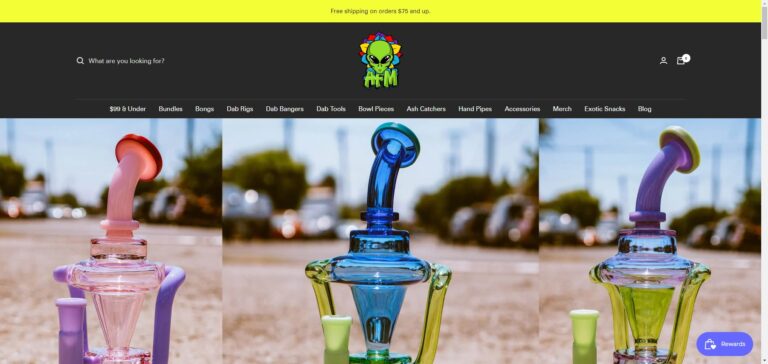
Alien Flower Monkey embodies unparalleled craftsmanship, delivering top-tier glass creations that excel in both aesthetics and functionality while maintaining unbeatable prices. Founded in Los Angeles, California, in 2014, we specialize in crafting unique, scientifically-engineered glass pieces and accessories that uphold the utmost standards of quality.

Life Orientations
Unlock the potential of the LIFO method with Life Orientations, a platform applying behavioral science to boost individual and group productivity.
- Category
- Science » Social Sciences » Psychology
Life Lab
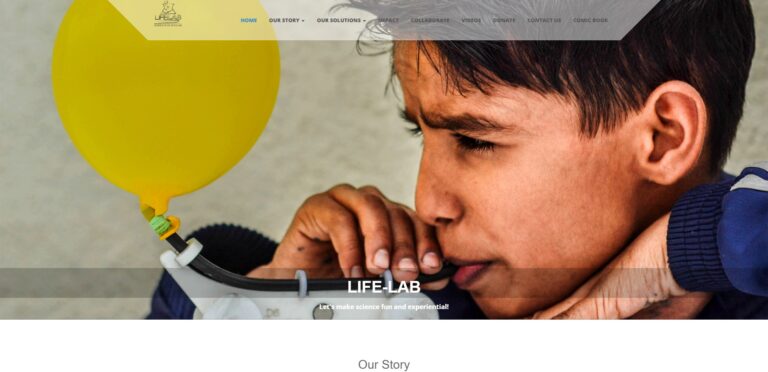
Life Lab is on a mission to enhance science education in India. With 5+ years of experience, we’re partnering with corporations, NGOs, and state governments to reach 1 million children, especially in rural areas, out of the 440 million in the country. Science is the path to a brighter future, and we’re making it accessible to all.
- Category
- Science » Educational Resources » Organizations
More Articles Like: Recreation Reimagined: How Play, Rest, and Curiosity Keep Life in Balance
Recreation Camps: Where Adventure, Skills, and Community Come Together
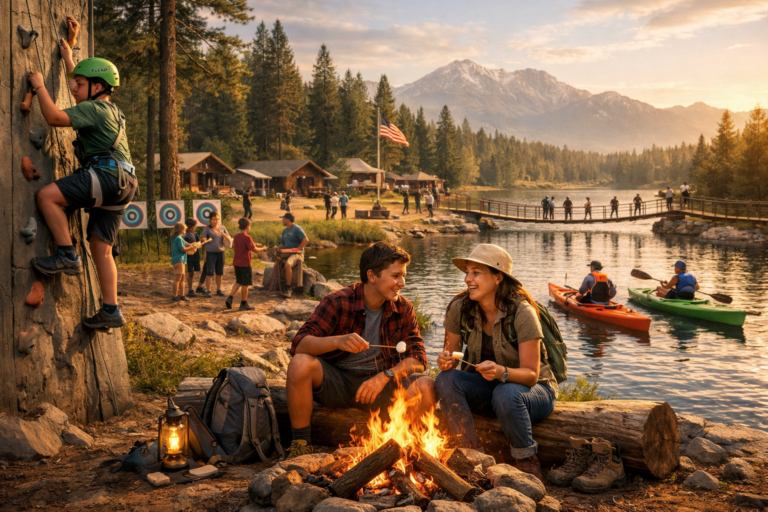
Recreation camps offer far more than a break from routine—they create spaces for adventure, learning, friendship, and personal growth. From day programs to overnight retreats, camps help participants build confidence, resilience, and lasting memories.
Home: The Meaning, Function, and Feeling Behind the Place We Return To
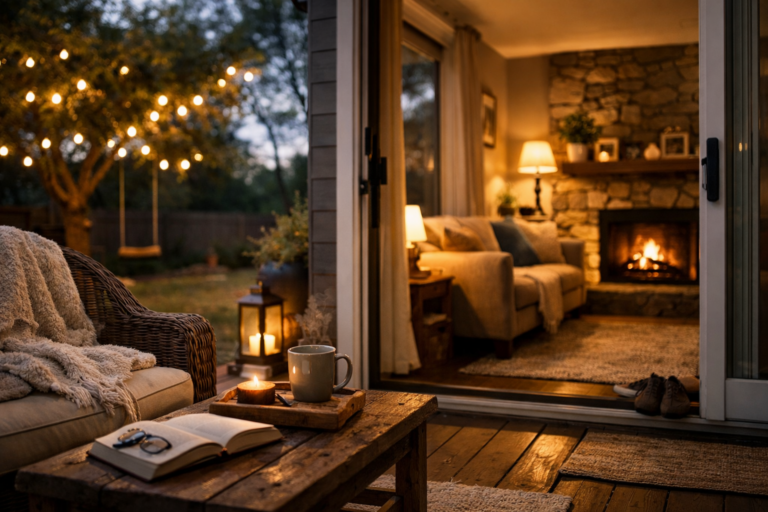
Home is more than a structure made of walls and a roof; it is a place of identity, comfort, memory, and belonging. This article explores what makes a home meaningful, how it serves everyday life, and why its emotional value matters so deeply.

Beyond the Scoreboard: How Sports Shape Bodies, Minds, and Communities
Sports are far more than games played for entertainment. They build physical fitness, mental resilience, teamwork, and social connection while influencing culture, education, and community identity.