
Arts as a Living Language: How Creativity Shapes Culture, Minds, and Communities
What We Mean by “The Arts”
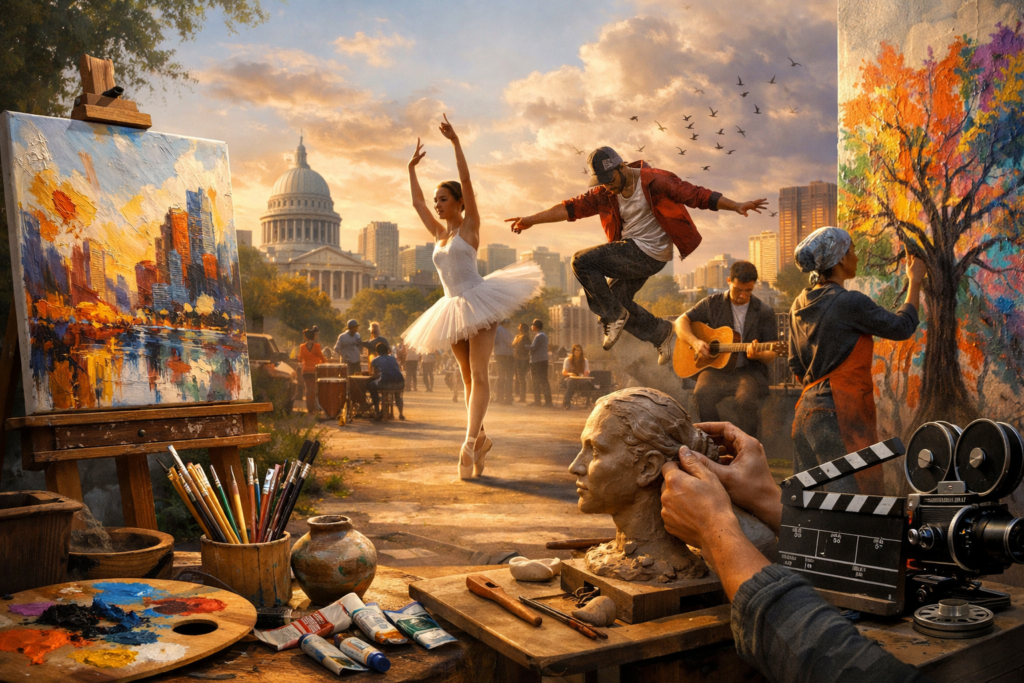
The arts describe a broad family of creative practices used to express ideas, emotions, and experiences through form, sound, movement, language, and design. They include widely recognized disciplines—visual art, music, theatre, dance, literature, film, architecture, and crafts—as well as newer digital and hybrid forms such as interactive media, game art, projection mapping, and AI-assisted creation. Rather than a single category, the arts operate like a living language: they evolve as societies change, absorbing new tools and responding to new questions.
At their core, the arts make meaning visible and shareable. A painting can compress an era’s politics into color and composition. A song can hold grief and joy at once. A building can shape how people move, gather, and feel. When art works, it becomes a bridge between private experience and public understanding.
Why the Arts Matter in Everyday Life
People often encounter art casually—listening to music on the way to work, watching films, reading stories, admiring murals, wearing thoughtfully designed clothing. These experiences are not “extra.” They influence mood, memory, identity, and how we relate to others. The arts also train skills that translate beyond the studio: careful observation, interpretation, experimentation, revision, and the courage to make choices without guaranteed outcomes.
Importantly, art does not require elite spaces. Community choirs, open-mic nights, zine fairs, dance circles, and public sculpture parks demonstrate that creativity thrives wherever people are given permission to try and be heard.
Cognitive and Emotional Benefits
Engaging with the arts—whether by creating or experiencing—supports emotional literacy and mental flexibility. When someone writes a poem about a difficult season or sees their story reflected on stage, they practice naming complex feelings and understanding multiple perspectives. Art also rewards sustained attention: looking closely at a photograph or listening carefully to a symphony cultivates patience in a world designed for distraction.
Major Forms of Artistic Practice
Although boundaries blur, it helps to understand a few broad categories. Each form develops its own techniques, traditions, and ways of communicating with audiences.
Visual Arts
Visual arts include painting, drawing, sculpture, photography, printmaking, ceramics, textiles, and installation. These practices explore how line, texture, color, scale, and materials affect meaning. A portrait can be both a record of a person and a commentary on status or intimacy. A sculpture might invite viewers to move around it, turning interpretation into a physical experience.
Performing Arts
Theatre, dance, and live music emphasize presence, time, and shared attention. Performers and audiences participate in a temporary community—one that exists for an evening and then dissolves. This ephemerality gives performing arts special power: a moment of silence after a dramatic scene, or a collective breath between movements, can feel like a social bond.
Literary Arts
Literature—poetry, fiction, nonfiction, spoken word, and drama—uses language to shape inner worlds. Stories help readers rehearse life: they test moral choices, explore cultures, and reveal how others think. Literary craft—tone, voice, metaphor, structure—turns ordinary experience into something resonant and memorable.
Design, Architecture, and Applied Arts
Design and architecture sit at the intersection of beauty and function. They ask how objects and environments should work and how they should feel. A well-designed chair supports the body; a well-designed poster guides attention; a well-designed public space encourages safety and belonging. These forms remind us that aesthetics are not superficial—they influence behavior, accessibility, and dignity.
Digital and Emerging Arts
Digital tools have expanded what artists can do and how audiences can participate. Animation, digital illustration, electronic music, VR exhibitions, and interactive installations can respond to viewers in real time. Social platforms have also changed distribution: artists can share process videos, build communities, and collaborate across borders, while also navigating new pressures around visibility and algorithms.
The Arts as a Mirror and a Megaphone
Art reflects society, but it also reshapes it. Throughout history, artists have documented everyday life, challenged injustice, preserved endangered traditions, and imagined alternative futures. A protest song can crystallize public sentiment; a film can change popular understanding of a community; a novel can introduce readers to lives they might never otherwise encounter. Even when art is not overtly political, it still carries values—about what is considered beautiful, who is centered, and which stories are worth telling.
How Art Is Made: Process Over Perfection
Behind nearly every artwork is a process of iteration: drafts, rehearsals, sketches, edits, failures, and breakthroughs. The arts teach a practical relationship with uncertainty. Artists often begin with a question rather than a conclusion, then discover meaning through making. This approach is increasingly valuable in fields that demand innovation, from education to technology to entrepreneurship.
Critique is another key part of artistic growth. Constructive feedback helps creators see blind spots, strengthen choices, and refine intent. Learning to give and receive critique respectfully is both an artistic skill and a civic one.
Arts Education and Cultural Access
Arts education does more than train future professionals; it develops expressive confidence and cultural participation. When students learn rhythm, color theory, storytelling, or stagecraft, they also learn collaboration, discipline, and empathy. However, access is unequal. Many communities face limited funding, fewer venues, and barriers such as cost, transportation, and lack of inclusive programming.
Supporting the arts can take many forms: visiting local exhibitions, paying artists fairly, advocating for school programs, attending public performances, and ensuring that museums, theatres, and festivals reflect the diversity of the communities they serve.
Ways to Engage with the Arts Right Now
Art becomes more meaningful through participation. You do not need to be an expert to begin; curiosity is enough.
- Practice small: keep a sketchbook, write short reflections, or learn a simple song.
- Visit local culture: galleries, libraries, community theatres, craft markets, and public art trails.
- Join a group: workshops, choirs, dance classes, writing circles, or maker spaces.
- Support artists: buy directly, commission work, share events, and credit creators.
- Reflect deeply: after experiencing art, ask what you felt, what you noticed, and what questions remain.
Conclusion: The Arts as Shared Human Infrastructure
The arts are not a luxury item perched on top of “real life.” They are part of how societies communicate, heal, celebrate, and imagine. Art preserves memory, builds connection, and invites people to see more than one truth at a time. Whether encountered in a museum, a neighborhood festival, a book, a film, or a song heard through headphones, the arts remind us that human experience is larger than any single viewpoint—and that creativity is one of our most enduring ways to meet it.
Listings Related to the Article: Arts as a Living Language: How Creativity Shapes Culture, Minds, and Communities

California Restroom Trailer Rentals
California Restrooms is one of California’s largest and most trusted sanitation providers, specializing in luxury restroom trailers, shower trailers, porta potty rentals, and mobile laundromat trailers. With more than 25 years of experience, the company is uniquely positioned to deliver state-of-the-art restroom and shower rentals at competitive rates, paired with exceptional customer service for every occasion.
Georgia Institute of Technology
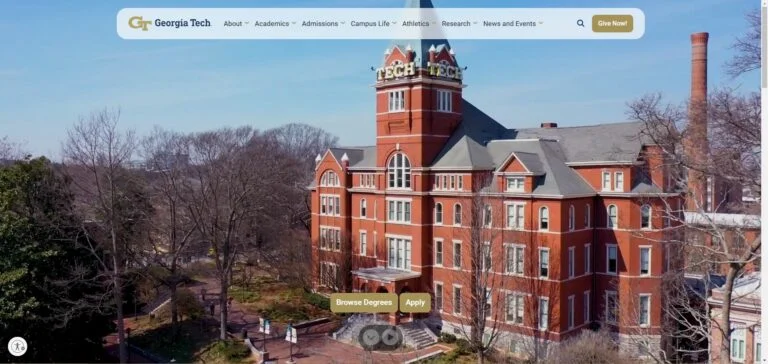
The Georgia Institute of Technology (Georgia Tech) is a leading public research university located in Atlanta, Georgia. Known for its innovative programs in engineering, computing, business, and design, Georgia Tech combines cutting-edge research with a commitment to hands-on learning. With a strong emphasis on technology and entrepreneurship, Georgia Tech prepares students to tackle global challenges and drive innovation across industries.
- Category
- Reference » Education » Colleges and Universities
Soundation
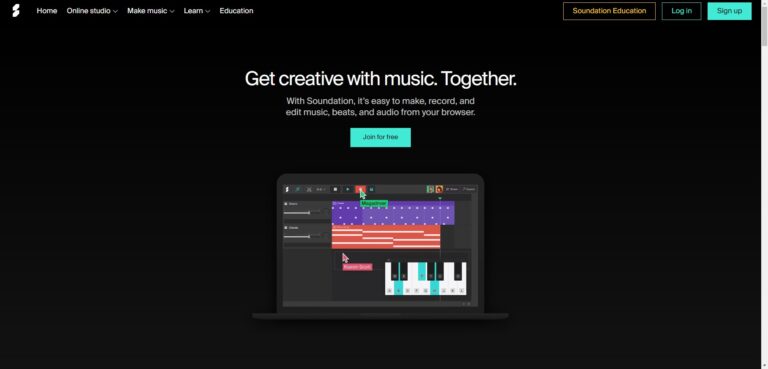
An online studio for creating and editing music tracks collaboratively, providing a platform for music enthusiasts and budding producers.
More Articles Like: Arts as a Living Language: How Creativity Shapes Culture, Minds, and Communities
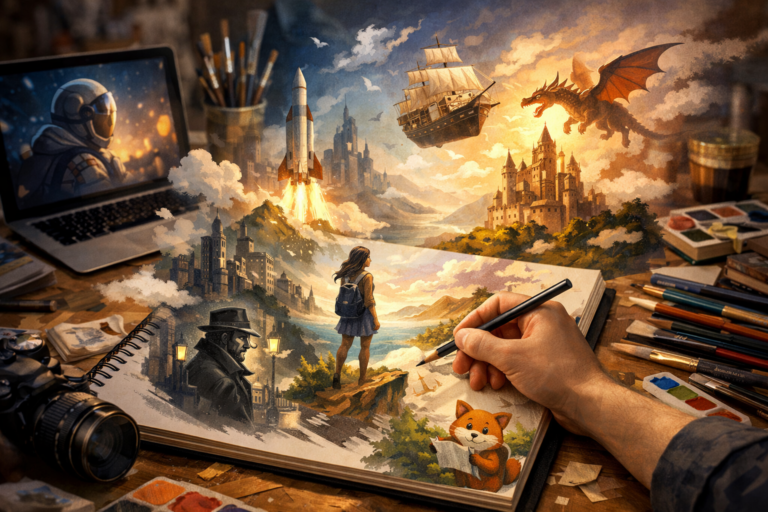
Illustration in Focus: How Visual Storytelling Shapes Art, Media, and Imagination
Illustration is a versatile art form that transforms ideas into engaging visual narratives across books, advertising, editorial media, and digital platforms. Its enduring power lies in its ability to clarify, persuade, and inspire through style, symbolism, and storytelling.

Recreation: Why Leisure Matters for a Healthier, Happier Life
Recreation is more than spare-time fun; it supports physical health, mental balance, social connection, and personal growth. From outdoor adventures to creative hobbies, meaningful recreation helps people recharge and live more fully.
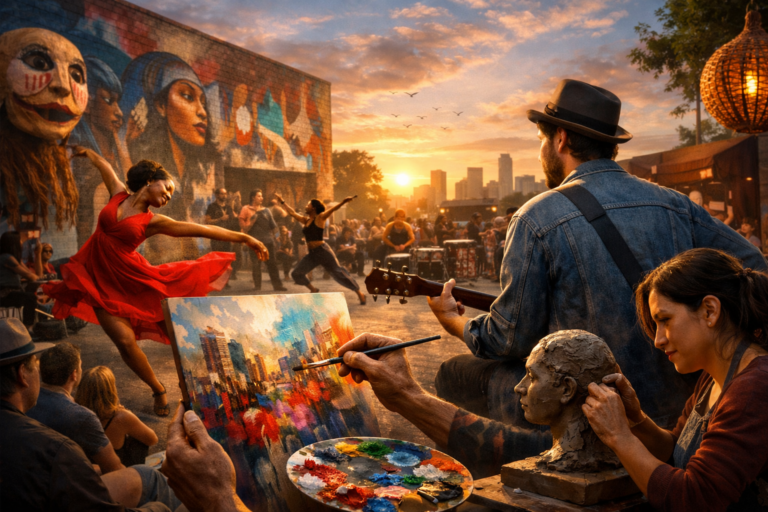
Arts as a Living Language: How Creativity Shapes Culture, Community, and Change
The arts are more than decoration—they are a living language that records history, builds empathy, and powers innovation. From classrooms to public spaces, creative practices help people make meaning, connect, and imagine better futures.