
A Shopper’s Guide to Ethnic and Regional Finds: Culture, Craft, and Local Flavor
Why Ethnic and Regional Shopping Matters
Shopping for ethnic and regional goods is one of the most rewarding ways to experience a destination or support diverse communities closer to home. Unlike mass-produced retail, these purchases often reflect generations of knowledge, local materials, cultural symbolism, and regional identity. Whether it is handwoven textiles, spice blends, ceramics, jewelry, woodwork, or specialty foods, such products often carry a story that cannot be replicated by factory-made alternatives.
For travelers, ethnic and regional shopping can turn a simple market visit into a deeper cultural encounter. For local buyers, it can be a way to celebrate heritage, discover underrepresented artisans, and invest in small businesses. In both cases, the value lies not only in what is bought, but in understanding where it comes from and who made it.
What Defines Ethnic and Regional Products?
Ethnic products are typically tied to a particular cultural or community tradition, while regional products are strongly associated with a specific geographic area. In many cases, the two overlap. A basket woven by an Indigenous artisan, a regional olive oil from a coastal village, or embroidered garments made using traditional methods all fit within this category.
These goods are often distinguished by:
- Traditional techniques passed down through families or communities
- Use of local materials such as clay, wool, metal, herbs, or wood
- Designs, colors, and patterns that hold cultural significance
- Flavor profiles or craft methods linked to a region’s climate and history
- Limited production that emphasizes quality over volume
Because these products are rooted in place and culture, they often stand apart from generic souvenir items or trend-driven merchandise.
Popular Categories in Ethnic and Regional Shopping
Textiles and Clothing
Traditional garments, scarves, shawls, rugs, and woven fabrics are among the most sought-after regional purchases. Buyers are often drawn to handmade details such as embroidery, natural dyes, loom weaving, beadwork, or block printing. In many cultures, textile patterns may represent status, local identity, or ceremonial meaning, adding richness beyond visual appeal.
Food and Culinary Specialties
Regional shopping often includes edible treasures such as cheeses, tea, coffee, spice mixes, preserves, sweets, sauces, or baked goods. These items can reveal a great deal about agricultural traditions and local tastes. Many shoppers appreciate food products because they offer a sensory memory of a place long after the trip ends.
Handicrafts and Home Decor
Pottery, carved wood items, metalwork, painted tiles, glassware, and handmade baskets are common regional specialties. These objects can be both practical and decorative, and they often preserve craft forms that have existed for centuries. Home decor pieces are especially popular because they bring cultural texture into everyday living spaces.
Jewelry and Personal Accessories
Locally made jewelry may feature regional stones, symbolic motifs, or metalworking techniques unique to a culture. Bracelets, earrings, belts, handbags, and hair accessories often blend craftsmanship with wearable storytelling, making them meaningful gifts or personal keepsakes.
How to Shop Authentically and Responsibly
Ethnic and regional shopping is most valuable when it supports the people and traditions behind the products. Authentic shopping requires curiosity, respect, and a willingness to ask questions. Instead of buying the cheapest version of an item, consider learning about how it was made and whether the price reflects fair compensation.
Helpful questions to ask include:
- Who made this item?
- Is it handmade, locally produced, or imported?
- What materials were used?
- Does the design have cultural meaning?
- Does the purchase directly support artisans or community workshops?
When possible, buy from artisan cooperatives, family-run businesses, regional markets, fair-trade stores, or makers selling directly. These sources often provide better transparency and help keep traditional skills economically viable.
Recognizing Authenticity Without Romanticizing
Many shoppers look for “authentic” goods, but authenticity should not be reduced to stereotypes. Cultures evolve, and artisans may combine traditional methods with modern aesthetics, new colors, or contemporary uses. A product can still be culturally rooted even if it is adapted for today’s market.
At the same time, it is wise to be aware of imitation products that borrow cultural styles without local involvement or proper context. Machine-made goods sold as handmade, copied patterns with no community connection, or mass-produced imports marketed as local crafts can undermine genuine makers. Paying attention to quality, origin, and seller knowledge can help buyers make informed choices.
The Role of Markets, Boutiques, and Online Shops
Traditional street markets and regional fairs remain some of the best places to explore ethnic and regional shopping. They allow buyers to see a broad range of products, compare workmanship, and often speak directly with vendors. Small boutiques may offer a more curated experience, especially for higher-end crafts or food specialties with verified sourcing.
Online platforms have also expanded access to regional makers, allowing shoppers to support artisans without traveling. This can be especially valuable for diaspora communities seeking culturally significant items or for buyers looking to purchase directly from craftspeople in rural areas. However, online shoppers should read descriptions carefully, verify seller details, and check whether creators are clearly credited.
Cultural Respect and Smart Buying Tips
Shopping across cultures should be approached with respect rather than novelty alone. Learning basic etiquette, understanding whether an item has ceremonial importance, and avoiding insensitive use of sacred symbols are all part of responsible purchasing. In some places, bargaining is expected; in others, aggressive haggling may be considered disrespectful, especially when dealing with handmade work.
To make the most of the experience:
- Set a budget, but be realistic about the value of handmade labor
- Choose items you understand and will genuinely use or appreciate
- Ask about care instructions for natural fabrics, ceramics, or food items
- Check customs rules when buying agricultural products or antiques
- Prioritize quality and provenance over quantity
Why These Purchases Have Lasting Value
Ethnic and regional shopping stands apart because it creates a connection between buyer, maker, and place. A hand-thrown bowl, a woven runner, or a regional spice blend can preserve memory, spark conversation, and support living traditions at the same time. These are not merely objects to own; they are reminders of craftsmanship, identity, and community resilience.
In a world increasingly dominated by uniform retail experiences, shopping that reflects ethnic heritage and regional character offers something rare: individuality with meaning. When approached thoughtfully, it becomes more than commerce—it becomes cultural appreciation in action.
Listings Related to the Article: A Shopper’s Guide to Ethnic and Regional Finds: Culture, Craft, and Local Flavor

Al Moosawi
Established in 1986, Al Moosawi Trading has evolved into a leading marine and industrial supplier in the Middle East. With over 1,50,000 sq.ft. of storage, 400,000+ inventory items, and 7 UAE locations, our company is a trusted partner in the Gulf region, offering a diverse range of 6000+ products, including valves of all types and sizes, catering to various applications in the marine and oil industries.
- Category
- Business » Industrial Goods and Services » Industrial Supply
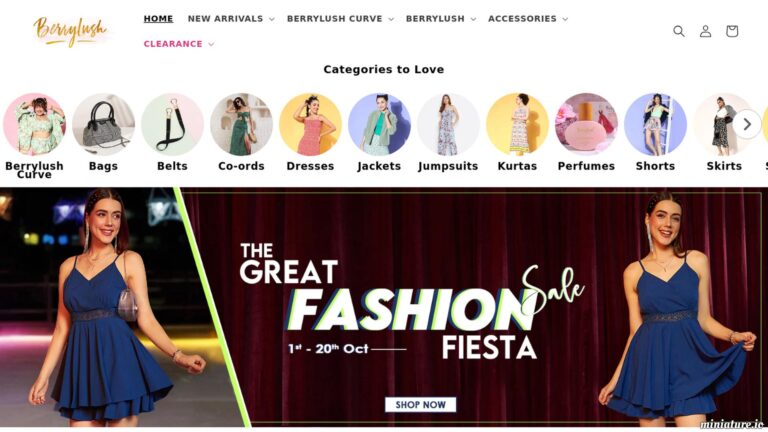
Berrylush
Explore a comprehensive online fashion boutique dedicated to women’s clothing and apparel in India. Discover and acquire the most up-to-the-minute fashion trends, encompassing a stunning collection of dresses, tops, jumpsuits, palazzo pants, and an array of other chic items.
More Articles Like: A Shopper’s Guide to Ethnic and Regional Finds: Culture, Craft, and Local Flavor

How Health Organizations Shape Stronger Communities
Health organizations play a central role in protecting public well-being, expanding access to care, and responding to local and global health challenges. From hospitals to nonprofits and international agencies, these institutions help build healthier, more resilient communities.

Recreation: Why Leisure Matters for a Healthier, Happier Life
Recreation is more than spare-time fun; it supports physical health, mental balance, social connection, and personal growth. From outdoor adventures to creative hobbies, meaningful recreation helps people recharge and live more fully.

Arts as a Living Language: How Creativity Shapes Culture, Community, and Change
The arts are more than decoration—they are a living language that records history, builds empathy, and powers innovation. From classrooms to public spaces, creative practices help people make meaning, connect, and imagine better futures.