
The Intricate Fabric of Society: Navigating Culture, Norms, and Change
Introduction to Society
At its core, society is a complex and multifaceted concept that encompasses the myriad ways humans interact, form connections, and establish systems of cooperation and governance. Understanding society requires an exploration of its building blocks, including the norms, cultures, and institutions that define human existence. This article delves into the diverse elements that construct and influence society, offering insights into how cultures evolve, how social norms develop, and how collective change is initiated.
Defining Society
Society, in its broadest sense, refers to a group of individuals who share a common geographic location, cultural traditions, or social structure. It includes familie, communities, organizations, and governments, each contributing distinct elements to the social fabric. Society is dynamic, constantly shaped by interaction and adaptation.
Elements of Society
- Culture: Culture represents the collective beliefs, values, customs, and behaviors of a society. It encompasses everything from language and art to religion and cuisine. Culture is a lens through which individuals understand their world and guides their social interactions.
- Norms: Norms are the unwritten rules of behavior that govern social interactions. They can range from etiquette at the dinner table to complex legal systems. These norms often reflect shared values and facilitate societal stability.
- Institutions: Institutions are structures and mechanisms of social order that govern behavior. Common examples include educational institutions, government bodies, and religious organizations. These entities often uphold norms and influence cultural evolution.
Societal Change
Change is an inherent aspect of any society. It is driven by a multitude of factors, including technological advancements, economic shifts, and cultural exchanges. Understanding these dynamics is essential to anticipate societal developments and address challenges.
Technological Influence
Technology plays a pivotal role in shaping society. From the invention of the wheel to the digital revolution, technological advancements have redefined social norms and communication patterns. Today, technology is integral to education, healthcare, and the economy, continuously transforming how society functions.
Economic Dynamics
Economies shape society through the distribution of resources and wealth. Economic changes often lead to social change, as shifts in jobs and industries can impact lifestyles, migration patterns, and social hierarchies. Understanding economic forces is crucial for addressing issues such as inequality and poverty.
Cultural Exchange
Globalization has accelerated the exchange of cultural ideas and practices. As societies become more interconnected, cultural changes occur, leading to hybrid cultures and shared global identities. While this can promote understanding and innovation, it can also result in cultural homogenization.
The Role of Individuals
Individuals are the fundamental building blocks of society. Personal actions and behaviors aggregate to form social patterns and cultural trends. Hence, the role of the individual is significant in both maintaining societal norms and instigating change.
Social Movements
History is replete with examples of individuals leading social movements that challenge existing norms and inspire societal change. Whether through peaceful protest or academic discourse, individuals wield the power to influence collective ideologies and shape the future.
Personal Responsibility
Each member of society has a role to play in fostering positive societal conditions. From voting in elections to engaging in community service, individual responsibility and civic engagement are essential for a healthy, functioning society.
Conclusion
Society is an ever-evolving entity shaped by a complex interplay of cultural, economic, and technological forces. Understanding its dynamics allows us to address current challenges and anticipate future developments. By exploring the elements that contribute to societal structure and change, we gain insight into how societies maintain cohesion, adapt, and thrive amid change.
Listings Related to the Article: The Intricate Fabric of Society: Navigating Culture, Norms, and Change
Muslim Marriage App India
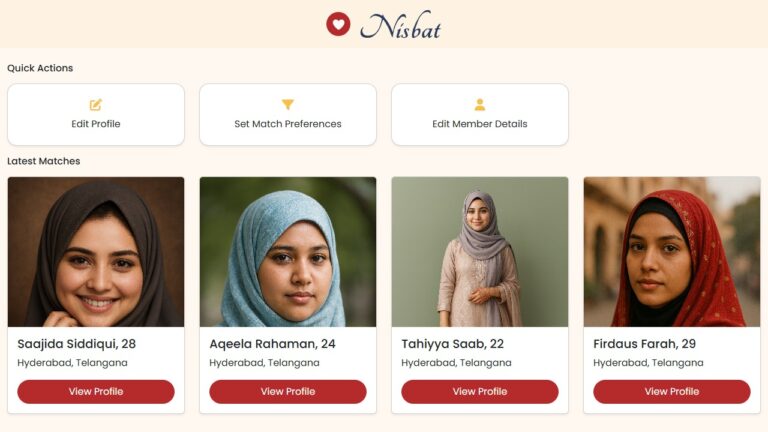
Nisbat Muslim Marriage App India helps Muslim families and individuals across India find the right partner for marriage. With a focus on cultural values, trust, and long-term commitment, Nisbat provides a respectful way to connect with suitable matches. Whether you are a parent searching for your son or daughter or an individual looking for a life partner, this app makes the process simple and meaningful.

Sierra Care
Sierra Care stands as the leading 24/7 congregate living health facility (CLHF) in Central California. Distinct from Nursing Homes or Skilled Nursing Facilities, Sierra Care specializes in delivering a subacute level of care, catering to individuals with conditions such as spinal cord injury (SCI), traumatic brain injury (TBI), pulmonary care, stroke (CVA), and medically complex traumatic injuries.
- Category
- Health » Medicine » Facilities
More Articles Like: The Intricate Fabric of Society: Navigating Culture, Norms, and Change

Law in Everyday Life: How Rules Shape Society and Social Change
Law is more than a system of rules enforced by courts; it is a social institution that reflects values, resolves conflicts, and guides collective life. Understanding the relationship between society and law reveals how rights, duties, and justice evolve over time.

Why Higher Education News Matters More Than Ever
News about colleges and universities shapes how students, families, educators, and policymakers understand the future of higher education. From tuition and technology to research and campus life, the sector remains a critical barometer of social and economic change.

The Living Architecture of Society: How We Build, Belong, and Change Together
Society is more than a population living side by side—it is a living system of relationships, rules, institutions, and shared meanings. This article explores how societies form, how they hold together, and how they evolve under pressure and possibility.