
Beyond Beauty: How the Arts Shape Meaning, Memory, and Change
What We Mean by “The Arts”
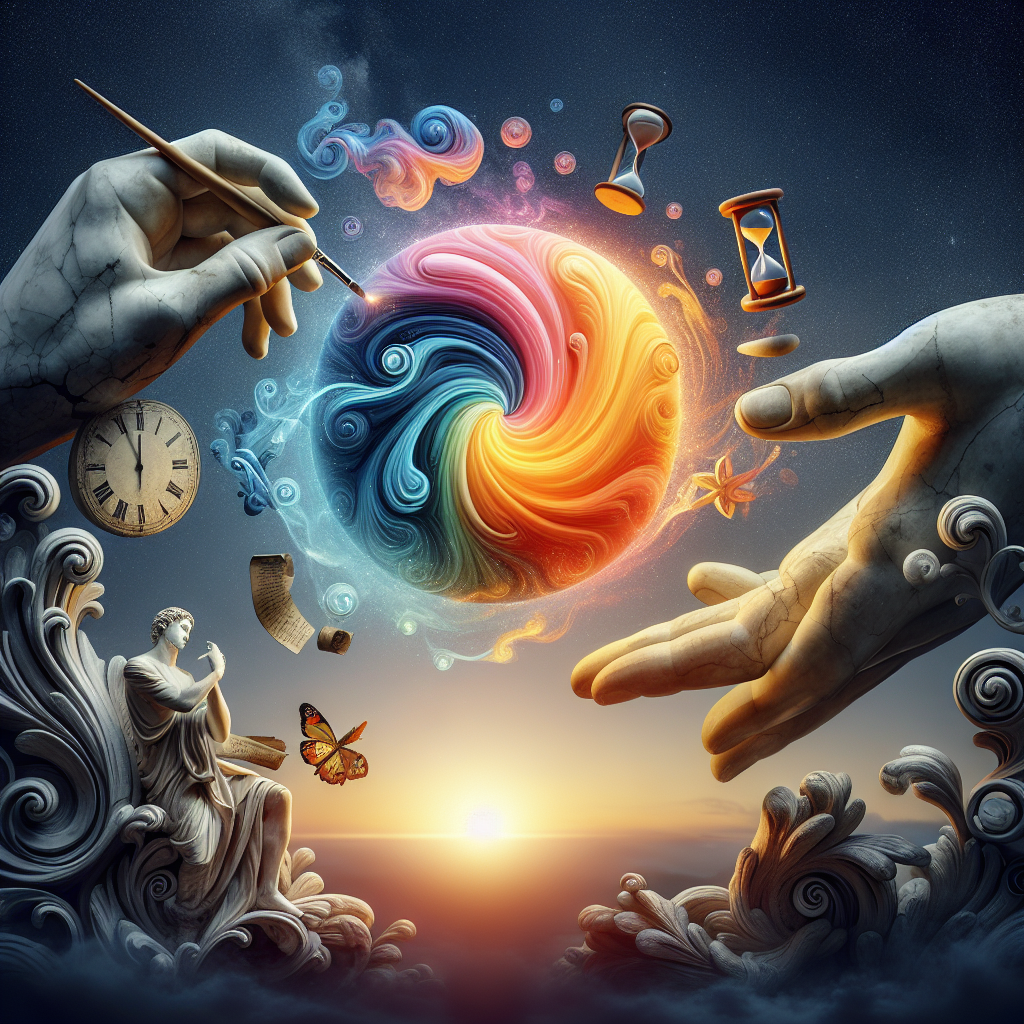
The arts are the many ways humans shape materials, sound, movement, language, and images into forms that carry meaning. This includes visual arts (painting, sculpture, photography, design), performing arts (music, theater, dance), literary arts (poetry, fiction, storytelling), and increasingly media and digital arts (film, animation, interactive installations, game art). While each discipline has distinct tools and traditions, they share a common purpose: turning lived experience into communicable form—something others can encounter, interpret, and feel.
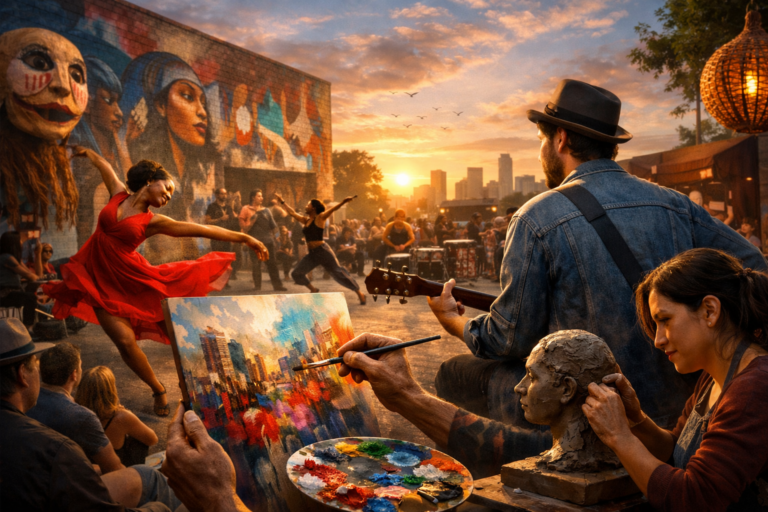
Importantly, art is not defined only by beauty or technical mastery. It can be unsettling, playful, political, or quiet. A mural can memorialize a neighborhood; a song can unite strangers; a poem can clarify grief; a performance can challenge power. The arts operate as both craft and conversation.
Core Functions of Art in Human Life
Expression and Emotional Intelligence
Art gives shape to emotions that may be hard to articulate. Music can express intensity without specifying a single “meaning,” while a novel can bring readers into the moral complexity of another life. In this way, the arts expand emotional vocabulary—helping individuals recognize, process, and communicate feelings with nuance.
Story, Identity, and Memory
Across cultures, art preserves identity. Traditional weaving patterns, oral epics, folk songs, and ritual dances carry histories and values forward. Even contemporary forms—street photography, documentary film, graphic novels—can serve as archives of a moment. Art stores memory not as data but as experience, allowing later audiences to feel the texture of a time and place.
Critique and Social Imagination
The arts can question what is normalized. Satire exposes hypocrisy, theater stages moral dilemmas, and visual art can reframe whose stories are considered central. Just as importantly, art can imagine alternatives: utopias, speculative futures, and new social possibilities. Where policy describes what is feasible, art often asks what is desirable—and who gets to decide.
Play, Pleasure, and Community
Art is also a source of delight and shared belonging. Festivals, concerts, galleries, and community theaters create spaces where people gather outside of purely economic roles. Participatory arts—choruses, dance circles, craft groups—turn audiences into co-creators, strengthening social ties and offering a sense of place.
How Art Communicates: Form, Context, and Interpretation
Artworks speak through form (composition, rhythm, color, pacing, structure) and through context (the artist’s intent, cultural references, historical moment, and the setting in which the work is encountered). A single image can mean different things in a museum than on a protest sign; a song heard at a wedding differs from the same song in a film scene.
Interpretation is not a single correct answer. Viewers and listeners bring their own experiences, and that diversity is part of art’s power. However, interpretation is strongest when paired with attention: noticing details, learning references, and considering why particular choices were made. The arts teach careful looking and listening—skills that matter well beyond cultural spaces.
Arts Education: Building Skills That Transfer
Arts education is often misunderstood as a luxury. In practice, it cultivates foundational abilities that transfer across fields. Learning an instrument develops patience and incremental practice; drawing trains observation; acting strengthens empathy and public communication; creative writing improves clarity and voice. These benefits extend to learners of any age.
- Creative problem-solving: exploring multiple solutions, revising, and refining.
- Craft and discipline: mastering technique through repetition and feedback.
- Collaboration: ensembles and productions require coordination and shared responsibility.
- Critical thinking: analyzing works, contexts, and the ethics of representation.
- Confidence and agency: producing something original and sharing it publicly.
Art in the Digital Age
Digital tools have expanded who can make art and how it circulates. Affordable software enables animation, music production, and graphic design; social platforms allow creators to reach global audiences without traditional gatekeepers. At the same time, new challenges have emerged: attention economies reward speed over depth, algorithms can flatten diversity, and online visibility does not guarantee fair compensation.
New forms—interactive installations, virtual reality experiences, generative visuals, and game narratives—blur boundaries between artist and audience. The question becomes less “Is this art?” and more “What experience does it create, and what values does it embody?” As technology evolves, artistic literacy includes understanding tools, authorship, and the ethics of digital creation.
The Arts Economy and Cultural Infrastructure
The arts rely on an ecosystem: artists, educators, venues, technicians, curators, publishers, nonprofits, and local businesses that benefit from cultural activity. Yet artistic labor is often precarious. Supporting the arts means more than buying a ticket—it includes fair pay, accessible spaces, arts funding, and policies that protect creative workers.
Healthy cultural infrastructure also prioritizes access. Libraries, public art, community workshops, and school programs broaden participation. When arts opportunities are limited to those with wealth or proximity, society loses voices and stories that could enrich the shared cultural record.
How to Engage with the Arts (Even If You “Aren’t an Art Person”)
Art does not require expertise; it requires curiosity. The simplest entry points are often the most sustainable: make small creative habits and build comfort with not knowing everything at first. Over time, familiarity grows into insight.
- Visit a local gallery or community performance and note what holds your attention.
- Keep a “one-sentence response” journal: how did a work make you feel, and why?
- Try a low-stakes practice—sketching, singing, collage, or storytelling—for 10 minutes weekly.
- Support creators directly through purchases, memberships, or sharing their work with credit.
- Explore art outside your usual genre to expand taste and perspective.
Why the Arts Remain Essential
The arts endure because they address needs that cannot be met by information alone: the need to feel, to remember, to belong, to question, and to imagine. They train attention in a distracted world and provide language when ordinary speech fails. Whether encountered in a concert hall, on a phone screen, or on a street corner, art offers a meeting place between inner life and shared reality. In that meeting, individuals become communities—and communities become capable of change.
Listings Related to the Article: Beyond Beauty: How the Arts Shape Meaning, Memory, and Change

California Restroom Trailer Rentals
California Restrooms is one of California’s largest and most trusted sanitation providers, specializing in luxury restroom trailers, shower trailers, porta potty rentals, and mobile laundromat trailers. With more than 25 years of experience, the company is uniquely positioned to deliver state-of-the-art restroom and shower rentals at competitive rates, paired with exceptional customer service for every occasion.
Soundation
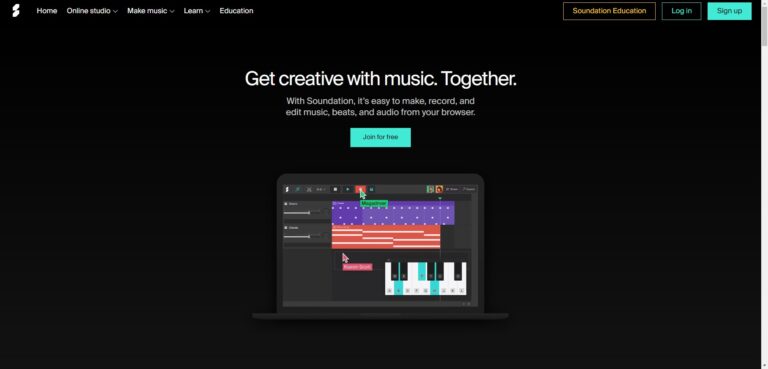
An online studio for creating and editing music tracks collaboratively, providing a platform for music enthusiasts and budding producers.
ArtPal
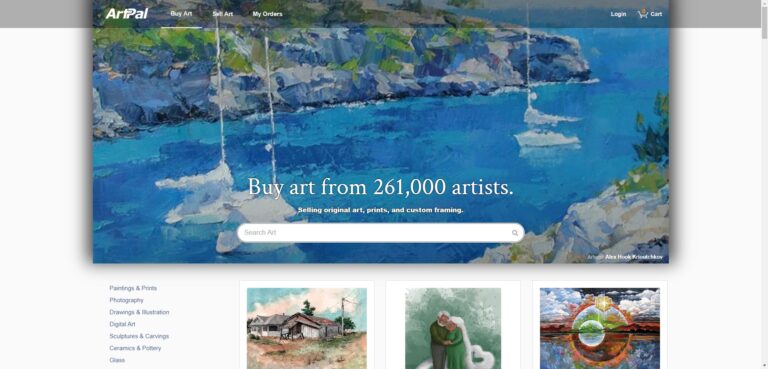
Discover and trade art seamlessly on ArtPal. Explore a diverse selection from numerous artists, including paintings, photography, sculptures, jewelry, crafts, fine art, and more. Additionally, easily customize and frame your chosen artwork online.
- Category
- Shopping » Visual Arts » Galleries
More Articles Like: Beyond Beauty: How the Arts Shape Meaning, Memory, and Change
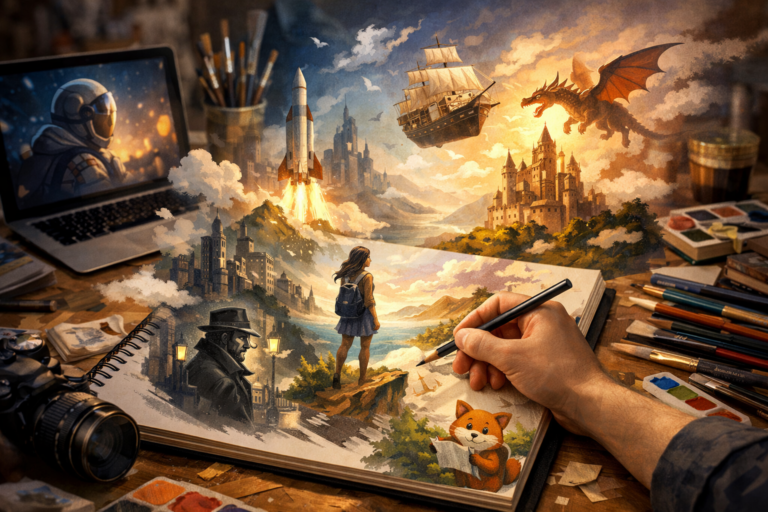
Illustration in Focus: How Visual Storytelling Shapes Art, Media, and Imagination
Illustration is a versatile art form that transforms ideas into engaging visual narratives across books, advertising, editorial media, and digital platforms. Its enduring power lies in its ability to clarify, persuade, and inspire through style, symbolism, and storytelling.

Recreation: Why Leisure Matters for a Healthier, Happier Life
Recreation is more than spare-time fun; it supports physical health, mental balance, social connection, and personal growth. From outdoor adventures to creative hobbies, meaningful recreation helps people recharge and live more fully.
Arts as a Living Language: How Creativity Shapes Culture, Community, and Change
The arts are more than decoration—they are a living language that records history, builds empathy, and powers innovation. From classrooms to public spaces, creative practices help people make meaning, connect, and imagine better futures.