
Home: The Meaning, Function, and Feeling Behind the Place We Return To
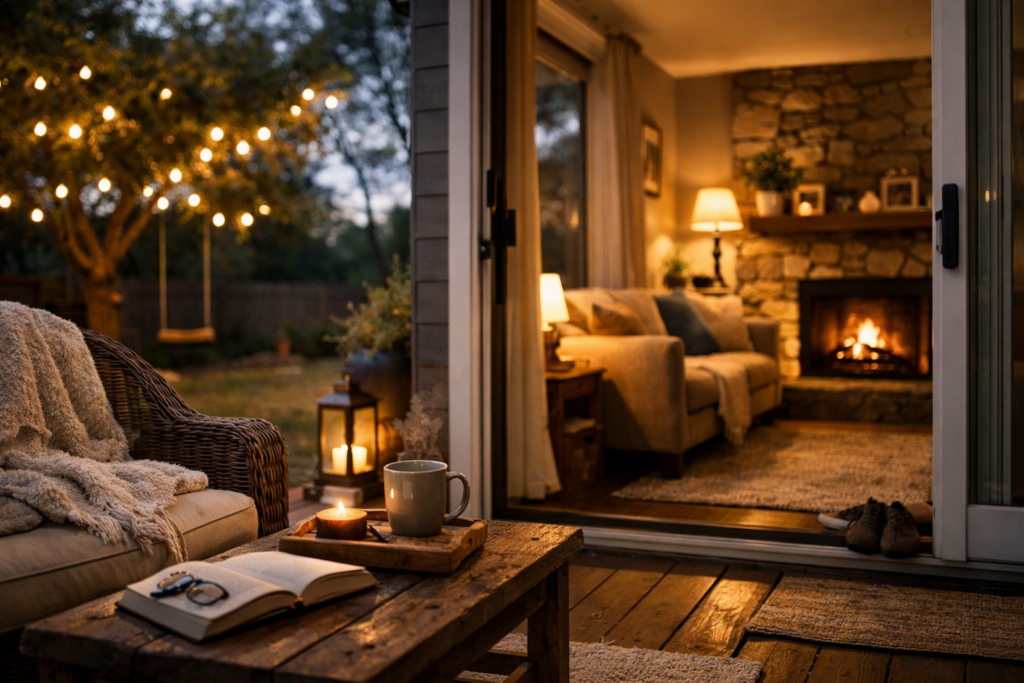
Understanding What Home Really Means
The word home often seems simple, yet it carries layers of meaning that go far beyond a physical address. For some, home is a house, apartment, or cottage. For others, it is a feeling of safety, a community, or the presence of loved ones. While a building provides shelter, home is the experience of living, growing, and finding comfort within a space that feels personal and secure.
Across cultures and generations, home has remained one of the most important parts of human life. It is where routines begin and end, where celebrations take place, and where people recover from stress and uncertainty. In a fast-moving world, home often serves as a steady center, offering familiarity and a sense of control.
The Practical Purpose of a Home
At its most basic level, home exists to meet essential human needs. It provides protection from weather, privacy from the outside world, and a place to rest. A well-functioning home supports daily life by making room for cooking, sleeping, cleaning, learning, and spending time with others.
Modern homes vary widely in size, design, and location, but their core functions remain similar. Whether in a city high-rise or a rural farmhouse, a home is expected to provide comfort, security, and utility. Important practical features of a home include:
- Shelter: Protection from heat, cold, rain, and other environmental conditions.
- Safety: A secure place where individuals and families can feel protected.
- Privacy: Space to think, relax, and live without constant outside intrusion.
- Functionality: Areas designed for sleeping, eating, storage, and personal routines.
- Stability: A dependable base for work, education, and family life.
These practical elements may seem ordinary, but they shape quality of life in powerful ways. A stable home environment can improve concentration, emotional well-being, and physical health.
The Emotional Side of Home
What transforms a residence into a true home is often emotional connection. People form attachments to places through memories, relationships, and repeated experiences. The smell of a familiar meal, the sound of footsteps in the hallway, or the sight of a favorite chair can create a deep sense of belonging.
Home is closely tied to identity. The objects people choose, the colors they prefer, and the way they organize their rooms all reflect personal taste and lifestyle. Even a modest space can feel rich with meaning when it holds stories, traditions, and signs of daily life.
For many individuals, home is where they feel most accepted. It can be the one place where they do not need to perform, explain, or adapt to outside expectations. That emotional safety is one of the main reasons home plays such a central role in happiness and peace of mind.
Home as a Space for Relationships
Home is rarely just about one person. It is often the setting where families are raised, friendships are nurtured, and partnerships are strengthened. Shared living spaces influence communication, habits, and routines. A welcoming home can encourage connection by creating opportunities to spend meaningful time together.
Simple activities within the home often carry great importance, such as:
- Sharing meals at a table
- Talking at the end of a long day
- Celebrating birthdays, holidays, and milestones
- Supporting children as they learn and grow
- Caring for older family members
These moments may appear ordinary, yet they are often the experiences people remember most clearly. The emotional atmosphere of a home can influence trust, resilience, and the strength of personal bonds.
The Role of Design and Environment
The way a home is designed can shape mood, energy, and comfort. Light, layout, color, and materials all contribute to how a space feels. A bright room with natural light may feel uplifting, while a quiet reading corner may create calm and focus. Good design is not only about style; it is about making a space support the needs of the people who live there.
Elements That Help a Home Feel Comfortable
- Natural light: Enhances mood and makes rooms feel more open.
- Order and storage: Reduces stress and improves functionality.
- Personal touches: Photos, artwork, books, and keepsakes add character.
- Comfortable furniture: Supports rest, conversation, and daily living.
- Cleanliness: Helps create a healthy and peaceful environment.
A beautiful home does not need to be expensive or large. What matters most is whether it supports comfort, usefulness, and emotional ease. The most memorable homes are often those that feel genuine rather than perfect.
How Home Changes Over Time
Home is not a fixed idea. It evolves as life changes. A childhood home may carry nostalgia, while an adult home may represent independence, responsibility, or new beginnings. People may move many times, yet still seek the same core feeling of belonging in each new place.
Major life events often reshape what home means. Marriage, parenthood, loss, retirement, migration, or remote work can all alter the way people use and value their living spaces. In this sense, home grows with the person. It reflects changing priorities, memories, and hopes for the future.
Even when people leave a particular place, the idea of home can stay with them. It may live in language, traditions, recipes, family habits, or emotional memory. This is why many people speak of “feeling at home” even when they are far from where they were born.
Why Home Matters More Than Ever
In a world shaped by busy schedules, digital distractions, and constant movement, home remains deeply important. It is one of the few places where people can restore energy, reconnect with themselves, and build daily life with intention. A healthy home environment supports not only rest but also creativity, productivity, and emotional balance.
More than just property, home represents belonging. It gives people a place to be rooted while also preparing them to face the outside world. Whether large or small, owned or rented, permanent or temporary, a true home offers something essential: the feeling that one has a place in the world.
Ultimately, home matters because it holds both practical value and human meaning. It shelters the body, but it also comforts the mind and heart. That is why the idea of home continues to resonate so strongly across every stage of life.
Listings Related to the Article: Home: The Meaning, Function, and Feeling Behind the Place We Return To

Sarasota Mental Health Therapy & Counseling
Sarasota Mental Health Therapy & Counseling provides expert mental health support in a safe, welcoming environment. Through personalized counseling and compassionate guidance, they help clients navigate life’s challenges and improve well-being.
- Category
- Health » Mental Health » Counseling Services

Garland Home Window Replacement
Garland Home Window Replacement provides custom window solutions for homes of all sizes. With professional service and timely installation, they deliver durable, long-lasting results that enhance comfort and curb appeal.
- Category
- Home » Home Improvement » Windows and Doors

Bitbns
Bitbns is a reputable cryptocurrency exchange platform that offers a secure and user-friendly environment for buying, selling, and trading a wide range of cryptocurrencies. With a focus on providing a seamless trading experience, Bitbns features a diverse selection of digital assets, including Bitcoin, Ethereum, and many altcoins, allowing users to diversify their crypto portfolios.
- Category
- Business » Investing » Cryptocurrencies
More Articles Like: Home: The Meaning, Function, and Feeling Behind the Place We Return To

Recreation: Why Leisure Matters for a Healthier, Happier Life
Recreation is more than spare-time fun; it supports physical health, mental balance, social connection, and personal growth. From outdoor adventures to creative hobbies, meaningful recreation helps people recharge and live more fully.

Recreation Reimagined: How Play, Rest, and Curiosity Keep Life in Balance
Recreation is more than “free time”—it’s a practical way to restore energy, strengthen relationships, and support mental and physical health. This article explores what recreation includes, why it matters, and how to build a sustainable recreational routine.

The Living Language of Arts: How We Make Meaning Beyond Words
Arts are more than decoration or entertainment—they are systems of communication that shape identity, record history, and expand how we perceive the world. From studios to streets, the arts connect imagination with daily life through craft, collaboration, and cultural memory.