
Illustration in Focus: How Visual Storytelling Shapes Art, Media, and Imagination
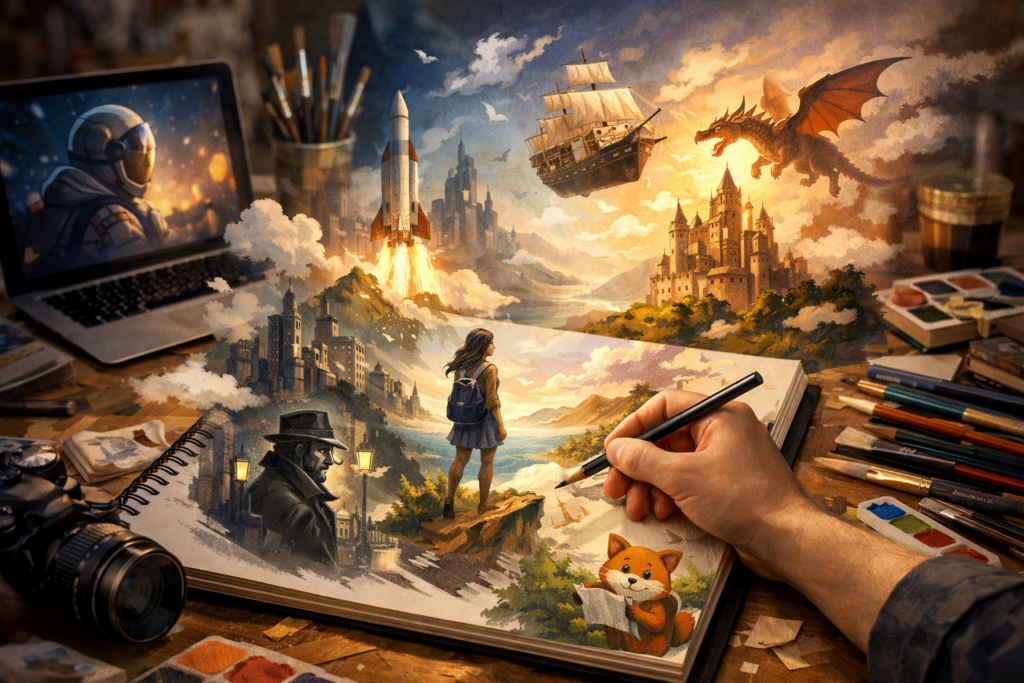
The Enduring Power of Illustration
Illustration occupies a distinctive place within the arts because it bridges creativity and communication. Unlike purely decorative imagery, illustration is often created with a specific purpose: to explain a concept, support a story, evoke emotion, or guide an audience through information. From illuminated manuscripts and scientific drawings to contemporary digital art and animated assets, illustration has continuously adapted to cultural and technological change while preserving its essential role as a visual language.
What makes illustration so compelling is its ability to turn abstract ideas into something immediate and memorable. A single image can simplify a complex process, define the mood of a novel, or give identity to a brand. In this sense, illustration is not just an accessory to content; it often becomes the element that audiences remember most clearly.
What Defines Illustration as an Art Form?
Illustration is commonly associated with images made to accompany text, but its scope is far broader. It includes editorial artwork in magazines, concept art for films and games, packaging design, fashion sketches, children’s book imagery, technical diagrams, comics, and visual assets for websites and apps. Across these forms, the illustrator combines artistic skill with problem-solving. Every choice of line, texture, color, and composition serves a communicative intention.
Unlike fine art, which may prioritize personal expression without a fixed practical outcome, illustration often responds to a brief, audience, or context. Yet the distinction is not rigid. Many illustrators produce highly expressive work that stands on its own aesthetically, while many fine artists incorporate narrative and design concerns. Illustration thrives in this overlap, where beauty and function work together.
Core Qualities of Effective Illustration
- Clarity: The image should communicate an idea, mood, or message effectively.
- Narrative strength: Good illustration suggests a story, even in a single frame.
- Stylistic identity: Distinct visual choices help create recognition and emotional impact.
- Adaptability: Illustrators often tailor their approach for different audiences and media.
- Symbolic richness: Shapes, color, gesture, and setting can carry layered meaning.
A Brief Historical Journey
The history of illustration is deeply tied to human attempts to record and share knowledge. Early examples can be found in religious manuscripts, maps, and botanical studies, where images clarified material that words alone could not fully convey. With the rise of printing, illustration became more widely distributed through newspapers, novels, posters, and advertisements. This democratization allowed visual storytelling to reach larger and more diverse publics.
The nineteenth and twentieth centuries marked major expansions in the field. Editorial illustration flourished in periodicals, children’s books developed iconic visual traditions, and posters became important tools for commerce and political messaging. Later, film, television, and digital publishing opened new paths for illustrators, especially in storyboarding, character design, motion graphics, and interactive media. Today, illustration exists across both physical and virtual spaces, from gallery walls to smartphone screens.
Styles and Specializations
One of illustration’s greatest strengths is its stylistic diversity. Some artists work in realistic rendering, creating highly detailed images that closely resemble life. Others favor stylized, minimal, surreal, or whimsical approaches. Watercolor, ink, collage, vector art, pencil, gouache, and 3D-assisted workflows all offer different expressive possibilities.
Within the professional world, illustrators often specialize in particular sectors:
- Editorial illustration interprets articles, essays, and opinion pieces through conceptual imagery.
- Children’s book illustration combines storytelling, character development, and emotional accessibility.
- Scientific and medical illustration demands precision, accuracy, and deep subject knowledge.
- Fashion illustration emphasizes movement, silhouette, texture, and mood.
- Concept art helps visualize worlds, characters, and environments for entertainment industries.
- Commercial illustration supports branding, packaging, advertising, and product communication.
These categories often overlap, and many contemporary illustrators move fluidly between them, especially in freelance practice.
Illustration in the Digital Age
Digital technology has transformed how illustration is produced, distributed, and consumed. Tablets, design software, and online platforms have made it easier for artists to experiment, revise, and publish their work globally. Social media has also changed visibility: illustrators can now build audiences directly, develop personal brands, and secure commissions without relying solely on traditional gatekeepers.
However, the digital age has not diminished traditional methods. In fact, many artists blend hand-drawn techniques with digital refinement, preserving the warmth of analog marks while benefiting from the flexibility of modern tools. This hybrid approach reflects a broader truth: illustration is less defined by the medium than by the intention to communicate visually.
At the same time, digital saturation has increased the value of originality. In a crowded visual environment, distinctive illustration can cut through repetition, giving publications and brands a more human, memorable voice.
Why Illustration Matters Culturally
Illustration does more than decorate surfaces; it shapes how people interpret the world. It can make difficult topics approachable, lend visibility to underrepresented experiences, and create shared cultural symbols. Editorial illustrations can sharpen public discourse, children’s illustrations can influence early imagination, and activist graphics can mobilize communities around urgent causes.
Because it operates so close to communication, illustration also reflects social values and changing aesthetics. It reveals what a culture finds beautiful, persuasive, humorous, or aspirational. As conversations around identity, representation, and ethics evolve, illustrators increasingly play an important role in creating imagery that is both imaginative and responsible.
The Creative Process Behind the Image
Although viewers often encounter only the finished artwork, illustration usually emerges through stages of research, sketching, revision, and refinement. An illustrator may begin by identifying the central message, then explore composition, symbolism, and tone through rough concepts. Feedback from editors, authors, art directors, or clients can shape subsequent drafts before the final image is completed.
This process requires not only technical skill but also listening, interpretation, and conceptual thinking. The illustrator must ask: Who is the audience? What feeling should the image create? What details are essential, and what can be simplified? These decisions determine whether the final work merely looks attractive or truly communicates.
Conclusion
Illustration remains one of the most dynamic forms in the arts because it unites imagination with purpose. It can educate, entertain, persuade, and move people across countless contexts. Whether rendered with pen and ink, painted by hand, or built through digital layers, illustration continues to prove that images are not secondary to ideas; they are often the most powerful way ideas come alive.
As visual culture continues to evolve, illustration will remain central to how stories are told and understood. Its future is not limited by medium or platform, because its core strength endures: the ability to make meaning visible.
Listings Related to the Article: Illustration in Focus: How Visual Storytelling Shapes Art, Media, and Imagination
ArtPal
Discover and trade art seamlessly on ArtPal. Explore a diverse selection from numerous artists, including paintings, photography, sculptures, jewelry, crafts, fine art, and more. Additionally, easily customize and frame your chosen artwork online.
- Category
- Shopping » Visual Arts » Galleries

Life Lab
Life Lab is on a mission to enhance science education in India. With 5+ years of experience, we’re partnering with corporations, NGOs, and state governments to reach 1 million children, especially in rural areas, out of the 440 million in the country. Science is the path to a brighter future, and we’re making it accessible to all.
- Category
- Science » Educational Resources » Organizations
More Articles Like: Illustration in Focus: How Visual Storytelling Shapes Art, Media, and Imagination

News | Headline Links: How Modern Readers Navigate the World One Click at a Time
Headline links are the gateways through which most people discover, judge, and share news online. Understanding how they work reveals a great deal about digital journalism, reader behavior, and the economics of attention.
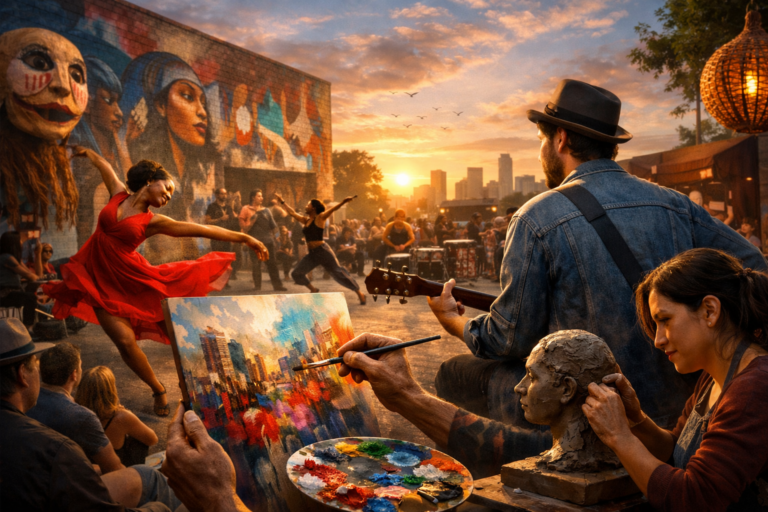
Arts as a Living Language: How Creativity Shapes Culture, Community, and Change
The arts are more than decoration—they are a living language that records history, builds empathy, and powers innovation. From classrooms to public spaces, creative practices help people make meaning, connect, and imagine better futures.

Beyond Fun: How Games Shape Skills, Culture, and Community
Games are more than a pastime—they’re systems that teach, connect, and challenge us. From board games to esports, understanding how games work reveals why they matter across learning, art, and everyday life.