
The Evolution of Libraries: Are They Still Relevant in the Digital Age?

Libraries have long been regarded as the cornerstone of education and knowledge dissemination. Traditionally, these institutions housed an extensive collection of books, providing communities with access to a vast reservoir of information. However, as we navigate the ever-changing landscape of the digital age, the relevance of libraries has come into question. In this article, we’ll explore the evolving role of libraries and assess whether they still hold significance in today’s tech-centric world.
The Traditional Role of Libraries:
Historically, libraries have served as invaluable repositories of knowledge, fostering a love for reading and learning within communities. They provided a quiet space for study, a resource hub for research, and a community center for various educational and cultural activities. However, with the advent of the internet and digital resources, the traditional functions of libraries have been challenged.
The Digital Shift:
The rise of digital technology has transformed the way we access and consume information. E-books, audiobooks, and online databases have become easily accessible, allowing individuals to carry entire libraries in their pockets. The convenience of obtaining information online has raised questions about the continued necessity of physical libraries.
Challenges Faced by Traditional Libraries:
One significant challenge faced by traditional libraries is the perception that they are outdated and unable to keep up with the rapid pace of technological advancements. Funding constraints often limit the ability of libraries to invest in state-of-the-art technologies, making them seem less attractive compared to the sleek interfaces of digital platforms.
Additionally, the ease of access to information online has led some to question the need for physical spaces dedicated to housing books. The environmental impact of paper production and the space required for extensive bookshelves have also contributed to the reconsideration of traditional library models.
The Modern Library: Adapting to Change:
To remain relevant in the digital age, many libraries have undergone significant transformations. Embracing technology, libraries now offer e-books, audiobooks, and digital resources alongside their traditional collections. They have become community hubs that host workshops, lectures, and cultural events, catering to a broader audience beyond book enthusiasts.
Libraries are also leveraging technology to enhance user experiences. Online catalogs, self-checkout systems, and interactive learning spaces are becoming commonplace. Moreover, libraries are increasingly serving as bridges to digital literacy, offering computer classes and internet access to underserved communities.
The Importance of Community Spaces:
While the internet provides a vast expanse of information, libraries continue to play a crucial role in fostering a sense of community. They serve as inclusive spaces that welcome people from diverse backgrounds, providing a physical environment for collaboration, dialogue, and shared learning experiences.
Libraries are uniquely positioned to address issues of information inequality. Not everyone has access to a reliable internet connection or the financial means to purchase digital content. Public libraries, in particular, play a vital role in bridging this digital divide by offering free access to information, computers, and educational resources.
Conclusion:
In the ever-evolving landscape of the digital age, libraries are adapting to remain relevant. While the traditional model of libraries may be transforming, their importance persists in providing equitable access to information, fostering community engagement, and promoting lifelong learning. Rather than becoming obsolete, libraries are evolving to meet the needs of the 21st century, reaffirming their status as indispensable institutions in our knowledge-driven society.
Listings Related to the Article: The Evolution of Libraries: Are They Still Relevant in the Digital Age?

List of Directories
The Rhyzz Web Directory Network is a curated collection of online directories featuring trusted general, business, and law-related listings. Founded in 2006, it provides organized, human-reviewed resources that help users find reliable websites and businesses while giving companies lasting online visibility.
- Category
- Reference » Directories
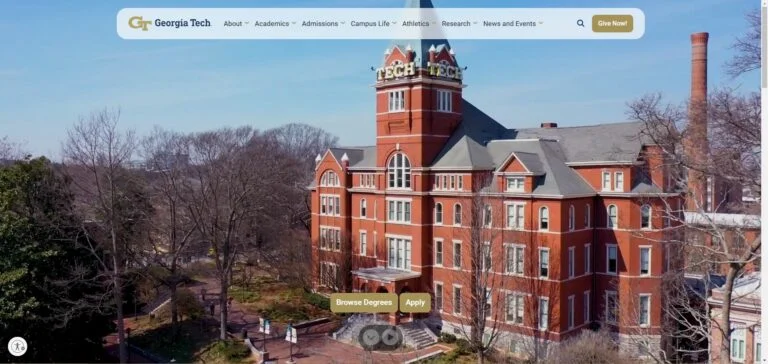
Georgia Institute of Technology
The Georgia Institute of Technology (Georgia Tech) is a leading public research university located in Atlanta, Georgia. Known for its innovative programs in engineering, computing, business, and design, Georgia Tech combines cutting-edge research with a commitment to hands-on learning. With a strong emphasis on technology and entrepreneurship, Georgia Tech prepares students to tackle global challenges and drive innovation across industries.
- Category
- Reference » Education » Colleges and Universities

IU International University of Applied Sciences
IU International University of Applied Sciences offers a diverse range of internationally accredited degree programs, providing students with the opportunity to pursue their academic goals online from anywhere in the world. With a focus on practical application and innovative learning methods, IU empowers students to thrive in today’s globalized workforce.
- Category
- Reference » Education » Colleges and Universities
More Articles Like: The Evolution of Libraries: Are They Still Relevant in the Digital Age?

Illustration in Focus: How Visual Storytelling Shapes Art, Media, and Imagination
Illustration is a versatile art form that transforms ideas into engaging visual narratives across books, advertising, editorial media, and digital platforms. Its enduring power lies in its ability to clarify, persuade, and inspire through style, symbolism, and storytelling.
A Shopper’s Guide to Ethnic and Regional Finds: Culture, Craft, and Local Flavor
Ethnic and regional shopping offers more than souvenirs—it connects buyers to local traditions, handmade craftsmanship, and the stories behind distinctive products. This guide explores how to shop thoughtfully while discovering authentic goods shaped by culture and place.

How Health Organizations Shape Stronger Communities
Health organizations play a central role in protecting public well-being, expanding access to care, and responding to local and global health challenges. From hospitals to nonprofits and international agencies, these institutions help build healthier, more resilient communities.