
Beyond the Scoreboard: How Sports Shape Bodies, Minds, and Communities
What Sports Really Are (and Why They Matter)
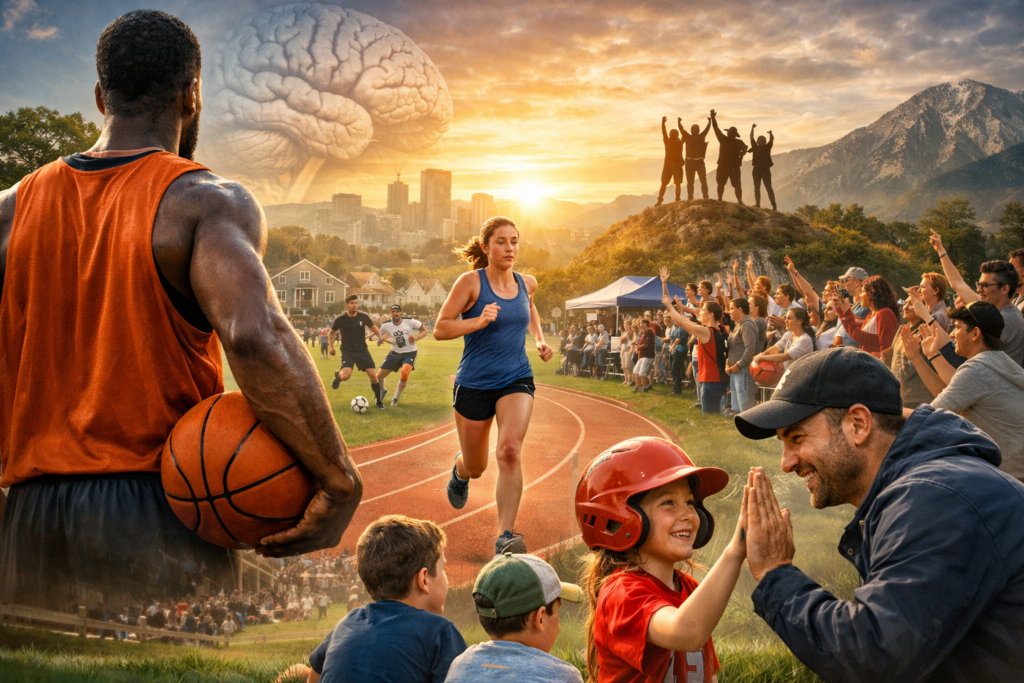
Sports are organized physical activities with agreed-upon rules, clear objectives, and a shared understanding of fair play. They can be competitive or recreational, individual or team-based, and played in environments ranging from local parks to global stadiums. While the score often grabs the spotlight, sports matter because they bring structure to movement, create meaningful challenges, and connect people through shared effort and emotion.
Across cultures, sports serve as a common language. A match can unite neighbors, motivate students, inspire civic pride, and provide a pathway to education or career opportunities. At the personal level, sports teach persistence, self-control, and how to handle both success and disappointment—skills that extend far beyond the playing field.
Physical Benefits: Fitness with Purpose
Exercise is beneficial in any form, but sports add purpose and variety. The demands of training, practicing skills, and competing create a blend of cardiovascular work, strength development, and coordination that many people find easier to sustain than repetitive workouts.
- Cardiovascular health: Sports such as soccer, basketball, swimming, and running improve heart and lung function through sustained effort and interval bursts.
- Strength and power: Sports like rowing, wrestling, volleyball, and sprinting develop muscle strength through explosive movements and resistance.
- Agility and balance: Tennis, gymnastics, martial arts, and hockey demand quick changes of direction and refined body control.
- Motor skills and coordination: Drills and gameplay sharpen timing, spatial awareness, and hand-eye coordination.
Importantly, sports can support long-term health when training is appropriate for age and ability. Smart programming balances intensity with recovery and teaches athletes to respect injury prevention, mobility work, and proper nutrition.
Mental and Emotional Gains: Confidence, Focus, and Resilience
Sports have a powerful psychological component. Athletes learn to concentrate under pressure, manage emotions, and stay engaged through setbacks. Whether it’s a missed shot, a tough opponent, or a long rehabilitation, sports provide a practical training ground for resilience.
Key mental skills developed through sports
- Goal-setting: Turning big ambitions into daily routines—practice, feedback, and gradual improvement.
- Stress management: Learning pre-performance routines, breathing control, and positive self-talk.
- Decision-making: Many sports reward fast, accurate choices under time constraints.
- Growth mindset: Progress becomes visible when effort translates into improved technique and results.
Team sports add another layer: athletes learn communication, role acceptance, and accountability. Individual sports, meanwhile, can deepen self-reliance and mental endurance because performance rests heavily on personal preparation.
Social and Cultural Impact: Identity, Belonging, and Tradition
Sports create communities. Fans share rituals, stories, and symbols; teammates build trust through repeated collaboration. Local clubs can anchor neighborhoods by providing safe spaces and structured activities. At larger scales, sports influence national identity and global diplomacy, offering moments of unity that can transcend political and social divisions.
Sports also reflect cultural values. Some traditions emphasize endurance and discipline; others celebrate creativity and flair. The rules, styles of play, and fan culture often mirror broader social norms—while also providing a platform for change, such as increasing inclusion and visibility for underrepresented groups.
The Business of Sports: Opportunity and Responsibility
Modern sports operate within a substantial economic ecosystem—broadcast rights, sponsorships, merchandise, ticketing, and sports tourism. This money can fund facilities, youth development, and professional careers. It can also create pressure: on young athletes to specialize early, on teams to prioritize performance over welfare, and on leagues to maximize revenue at the expense of affordability.
Common ethical and governance challenges
- Fair play and integrity: Match-fixing, gambling-related issues, and inconsistent officiating can damage trust.
- Doping and health risks: Performance enhancement threatens athlete safety and competitive fairness.
- Equity and access: High costs for travel teams, equipment, or coaching can exclude talented participants.
- Athlete welfare: Scheduling, concussion protocols, and mental health support require ongoing attention.
When managed well, sports organizations can balance commercial success with community investment—supporting grassroots programs, safer training environments, and transparent governance.
Technology and Sports Science: Smarter Training, New Questions
From wearable trackers to video analysis, technology has transformed how athletes train and how fans experience games. Sports science helps optimize performance by combining physiology, biomechanics, psychology, and nutrition. Data can reveal workload trends, highlight injury risk, and guide personalized training plans.
At the same time, technology raises new questions: How much data should teams collect? Who owns it? Where is the line between helpful innovation and an unfair advantage? Even officiating tools—like video replay systems—must balance accuracy with the flow and spirit of the game.
Participation Across a Lifetime: Finding the Right Fit
Sports are not only for elite athletes. A strong sports culture includes casual leagues, adaptive sports, and age-friendly programs that promote movement and social connection. The “best” sport is often the one that matches your interests, schedule, and physical needs while keeping enjoyment at the center.
Practical ways to get more out of sports
- Choose sustainability over intensity: Consistency beats short bursts of extreme training.
- Learn basic recovery habits: Sleep, hydration, and gradual progression reduce injury risk.
- Focus on skill development: Improving technique makes play safer and more satisfying.
- Seek welcoming environments: Inclusive teams and supportive coaches keep people engaged.
Conclusion: The Deeper Win
Sports endure because they combine movement with meaning. They challenge bodies, sharpen minds, and connect individuals to something larger—teams, cities, traditions, and shared memories. Whether played casually or pursued at the highest level, sports offer a rare blend of health, identity, and community. The deeper win isn’t only the final score; it’s the growth that happens on the way there.
Listings Related to the Article: Beyond the Scoreboard: How Sports Shape Bodies, Minds, and Communities
Sarasota Mental Health Therapy & Counseling
Sarasota Mental Health Therapy & Counseling provides expert mental health support in a safe, welcoming environment. Through personalized counseling and compassionate guidance, they help clients navigate life’s challenges and improve well-being.
- Category
- Health » Mental Health » Counseling Services
More Articles Like: Beyond the Scoreboard: How Sports Shape Bodies, Minds, and Communities

How Health Organizations Shape Stronger Communities
Health organizations play a central role in protecting public well-being, expanding access to care, and responding to local and global health challenges. From hospitals to nonprofits and international agencies, these institutions help build healthier, more resilient communities.
Beyond the Scoreboard: How Sports Shape Bodies, Minds, and Communities
Sports are far more than games played for entertainment. They build physical fitness, mental resilience, teamwork, and social connection while influencing culture, education, and community identity.

Recreation: Why Leisure Matters for a Healthier, Happier Life
Recreation is more than spare-time fun; it supports physical health, mental balance, social connection, and personal growth. From outdoor adventures to creative hobbies, meaningful recreation helps people recharge and live more fully.