
Beyond the Screen: How Computers Think, Work, and Shape Modern Life
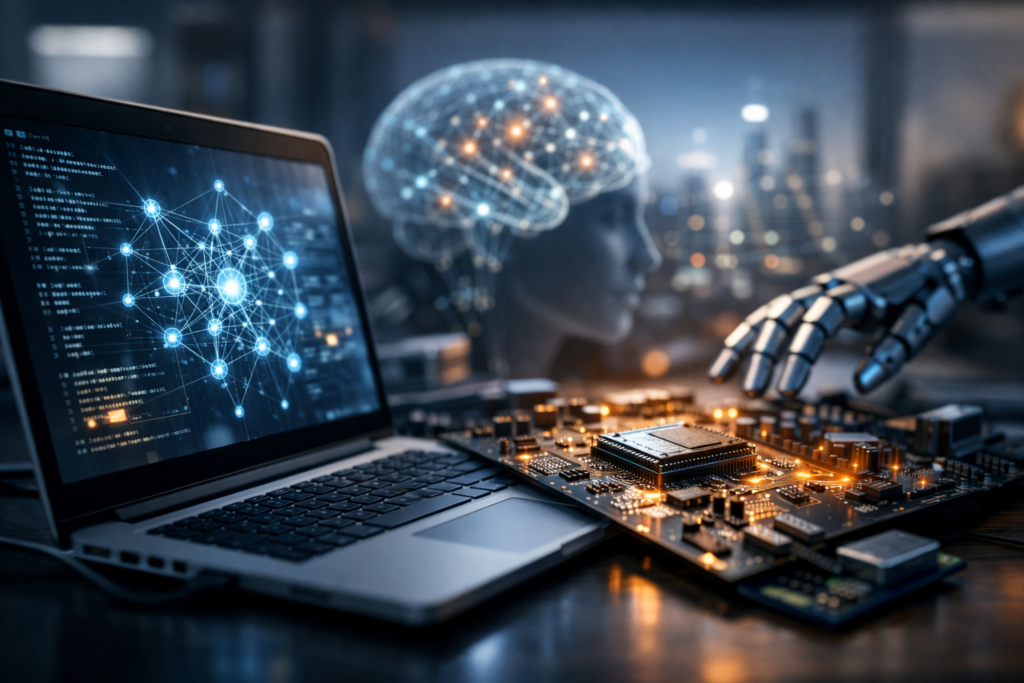
What a Computer Really Is
A computer is a programmable electronic device that takes input (data), processes it according to instructions (software), stores information, and produces output (results). While many people picture a laptop or desktop, the term “computer” also includes phones, game consoles, industrial controllers, and cloud servers. What unites them is the same core idea: turning data into actions through a predictable set of operations.
Computers are powerful not because they “understand” problems like humans do, but because they excel at executing precise steps quickly and consistently. From calculating payroll to rendering 3D graphics, the magic is in how hardware and software cooperate.
Core Building Blocks: Hardware and Software
Hardware: The Physical System
Hardware refers to the tangible components of a computer. Each part plays a specialized role, and together they form a complete system:
- CPU (Central Processing Unit): Often called the “brain,” the CPU executes instructions, performs arithmetic and logic, and coordinates many tasks.
- Memory (RAM): Short-term working space used to hold active programs and data. More RAM generally allows smoother multitasking.
- Storage (SSD/HDD): Long-term data retention. SSDs are faster and more durable than traditional hard drives.
- Motherboard: The main circuit board that connects components and enables communication between them.
- GPU (Graphics Processing Unit): Specialized for parallel computation; essential for gaming, video editing, and many AI workloads.
- Input/Output Devices: Keyboards, mice, touchscreens, monitors, printers, microphones, and network adapters that let the computer interact with the world.
Software: The Instructions
Software is the set of programs that tells hardware what to do. It includes:
- Operating systems (OS): Windows, macOS, Linux, Android, and iOS manage hardware resources, files, security, and user interaction.
- Applications: Tools for specific tasks—browsers, office suites, design software, messaging apps, and games.
- Firmware: Low-level code stored on hardware devices (like a computer’s BIOS/UEFI) that initializes and controls basic functions.
How Computers Process Information
At a fundamental level, computers represent data as binary digits (bits), using 0s and 1s. These bits can encode numbers, text, images, audio, and instructions. The CPU processes instructions in a cycle often simplified as “fetch, decode, execute”:
- Fetch: Retrieve the next instruction from memory.
- Decode: Interpret what the instruction means (for example, add two values, move data, or compare).
- Execute: Perform the operation, possibly storing results back into memory.
This cycle repeats billions of times per second on modern processors. Speed is measured in hertz (Hz), but real performance also depends on factors like core count, architecture, cache memory, and how efficiently software uses the hardware.
Types of Computers You Encounter Every Day
Personal Computers
Desktops and laptops are general-purpose machines designed for a wide range of tasks—web browsing, work documents, creative projects, and entertainment. Laptops prioritize portability and energy efficiency, while desktops often offer easier upgrades and stronger cooling for high-performance parts.
Mobile Devices
Smartphones and tablets are computers optimized for compact size and battery life. They integrate sensors (GPS, accelerometers, cameras) and rely heavily on touch-based interfaces. Their processors, called system-on-a-chip (SoC), combine CPU, GPU, memory controllers, and other components into a single package.
Servers and Cloud Computers
Servers are computers that provide services over a network, such as hosting websites, storing files, or running databases. Cloud computing extends this idea by pooling massive server resources and renting them on demand, enabling businesses to scale without buying physical hardware.
Embedded and Industrial Systems
Many computers are “embedded” inside devices: cars, thermostats, medical equipment, and factory machinery. These systems focus on reliability and real-time control rather than general-purpose flexibility.
Networks: Computers Working Together
A single computer is useful, but connected computers reshape what’s possible. Networks allow devices to share data, coordinate tasks, and access remote resources. The internet is the world’s largest network, built on standard protocols that route information across many independent systems.
Key networking ideas include:
- IP addresses: Numeric identifiers for devices on a network.
- DNS: A directory system that translates human-friendly domain names into IP addresses.
- Bandwidth and latency: How much data can move vs. how quickly it arrives.
- Security layers: Encryption (like HTTPS) and authentication to protect data in transit.
Security and Privacy: The Ongoing Challenge
Because computers store valuable information and connect to networks, they are frequent targets for misuse. Common threats include malware, phishing, ransomware, and data breaches. Effective protection is a blend of technology and habits:
- Keep operating systems and applications updated to patch vulnerabilities.
- Use strong, unique passwords and enable multi-factor authentication.
- Back up important data using a reliable 3-2-1 strategy (three copies, two media types, one offsite).
- Be cautious with links, attachments, and software downloads.
Privacy also matters: many services collect data to personalize experiences or target advertising. Understanding permissions, limiting unnecessary sharing, and using privacy-focused settings can reduce exposure.
Where Computers Are Headed Next
Computing continues to evolve along multiple fronts. Artificial intelligence is becoming more accessible, powered by specialized chips and improved algorithms. Edge computing is moving processing closer to where data is generated—like sensors and devices—reducing latency and bandwidth use. Meanwhile, efforts in energy-efficient design aim to curb the environmental cost of large-scale data centers and constant device upgrades.
Quantum computing is often discussed as a future leap, potentially solving certain specialized problems far faster than classical machines. However, it remains complementary rather than a replacement for everyday computing, with practical use cases still emerging.
Why Understanding Computers Still Matters
Whether you write software, manage a business, create art, or simply use digital services, computers influence how you work and communicate. Knowing the basics—how hardware and software fit together, how networks connect devices, and how to protect data—helps you make better decisions. In a world built on computation, digital literacy is not just technical knowledge; it is a form of everyday empowerment.
Listings Related to the Article: Beyond the Screen: How Computers Think, Work, and Shape Modern Life

Neurofeedback Training Courses
Infraslow Associates provides specialized neurofeedback services that promote brain training and emotional well-being. Our personalized, research-driven approach helps clients achieve lasting, meaningful results.
- Category
- Health » Alternative » Biofeedback

Contabo
Contabo stands out as a premier web hosting and cloud service provider, offering unparalleled computing power at an exceptionally competitive cost. With a commitment to customer satisfaction, Contabo provides award-winning support delivered by real people, not automated bots.
- Category
- Computers » Internet » Web Hosting
OpenTeQ
OpenTeQ is a proficient software development firm with a worldwide presence and extensive proficiency in providing customized software development services and technology solutions.
- Category
- Computers » Companies » Software Development
More Articles Like: Beyond the Screen: How Computers Think, Work, and Shape Modern Life
Inside Supercomputing: How the World’s Fastest Computers Solve Impossible Problems
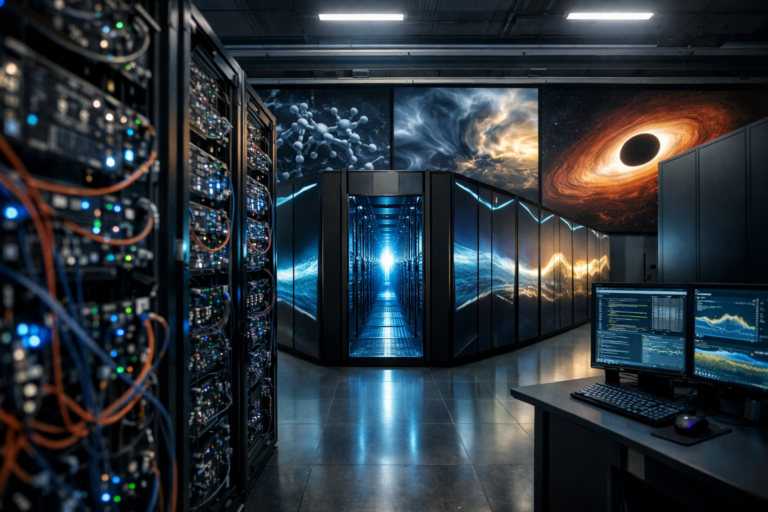
Supercomputing sits at the frontier of modern computing, combining immense processing power with advanced architectures to tackle problems far beyond the reach of ordinary machines. From climate modeling to drug discovery, these systems are reshaping science, industry, and national strategy.

Business Services Explained: The Engine Behind Modern Company Growth
Business services help organizations operate more efficiently, scale faster, and focus on their core strengths. From consulting and IT support to logistics and marketing, these services play a central role in modern business success.

Supercomputing Explained: How Extreme Computing Power Solves the World’s Hardest Problems
Supercomputing combines massive parallel processing, advanced architectures, and high-speed networking to tackle calculations far beyond the reach of ordinary machines. From climate modeling to drug discovery, these systems are essential tools for modern science, industry, and national research.