
Recreation Reimagined: How Play, Rest, and Curiosity Build a Better Life
Understanding Recreation Beyond “Time Off”
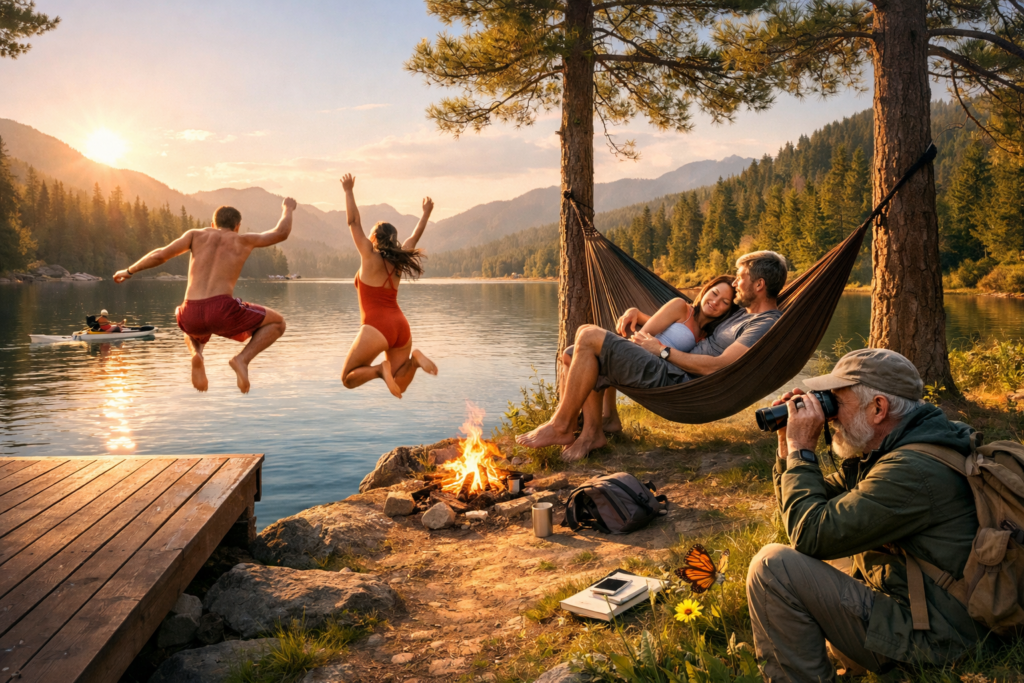
Recreation is the intentional use of leisure time to renew the body and mind through enjoyable, personally meaningful activities. While it can look like “having fun,” recreation is broader than entertainment and more purposeful than simply being idle. It includes movement, creativity, social connection, learning, and time in nature—anything that helps you feel restored, engaged, and more like yourself.
In busy modern life, recreation often gets reduced to quick distractions. Yet the most nourishing forms of recreation tend to have three qualities: they are voluntary (you choose them), they are intrinsically rewarding (you enjoy them for their own sake), and they leave you feeling better afterward—calmer, energized, connected, or mentally clearer.
Why Recreation Matters: The Hidden Benefits
Recreation is not a luxury reserved for spare weekends. It plays a practical role in well-being and performance by supporting recovery and resilience. When your days are full of work, caregiving, or study, recreation becomes the counterbalance that prevents burnout and keeps life from feeling purely transactional.
Physical Health and Energy
Active recreation—walking, swimming, dancing, cycling, hiking, or recreational sports—supports cardiovascular fitness, mobility, and coordination. Even low-intensity activities can improve circulation and reduce stiffness caused by prolonged sitting. Because recreation is self-chosen and enjoyable, it can also be easier to sustain than rigid exercise programs.
Mental Well-Being and Stress Regulation
Recreation creates a psychological “reset.” Activities that absorb attention—gardening, woodworking, playing music, or puzzles—provide a break from rumination and constant notifications. Time outdoors adds another layer: natural settings often reduce perceived stress and mental fatigue, especially when you slow down enough to notice sounds, textures, and light.
Social Connection and Belonging
Many recreational activities are social by nature. Team sports, game nights, group classes, and community events reinforce relationships through shared experiences rather than obligations. Even quiet recreation can be relational—reading with a child, taking a walk with a friend, or cooking a new recipe together.
Creativity, Identity, and Joy
Recreation helps you remember that you are more than your responsibilities. Creative recreation such as painting, writing, crafting, or photography builds confidence and gives you a sense of progress without the pressure of grades or performance reviews. Over time, these activities become part of your identity, anchoring you during life changes.
Types of Recreation: Finding What Actually Restores You
Not all leisure is equally restorative. A useful way to think about recreation is to categorize it by how it recharges you. Most people benefit from a mix.
- Active recreation: Movement-based activities that elevate mood and energy (walks, sports, dance, skating).
- Creative recreation: Making or building something (music, crafts, cooking, DIY projects, writing).
- Nature-based recreation: Outdoor time that supports calm and perspective (parks, hiking, birdwatching, gardening).
- Social recreation: Connection-oriented activities (clubs, volunteering, group games, community classes).
- Reflective recreation: Quiet activities that restore attention (reading, journaling, meditation, gentle yoga).
A quick test: after an activity, do you feel more capable of meeting the day, or more depleted? Recreation should generally leave you steadier and more resourced, even if it involved effort.
Designing a Recreation Routine That Fits Real Life
The biggest obstacle to recreation is rarely a lack of options—it’s the belief that it requires large blocks of free time. In practice, recreation works best when it’s scaled to your schedule and treated as essential maintenance.
Start Small and Make It Specific
Instead of “I’ll relax later,” choose a concrete activity: a 15-minute walk after dinner, a weekly swim, or 20 minutes of sketching on Saturday morning. Specific plans reduce decision fatigue and make recreation more likely to happen.
Match the Activity to Your Current Need
Different kinds of tired require different kinds of recreation. If you’re mentally drained, repetitive physical movement or nature time may help. If you’re emotionally flat, music or social connection can lift you. If you’re overstimulated, reflective recreation may be the best antidote.
Protect Recreation from “Efficiency Creep”
Many people turn recreation into another form of productivity—tracking, optimizing, or competing until it becomes stressful. Some structure is useful, but the goal is restoration and enjoyment. Leave space for play, improvisation, and “good enough.”
Build a Menu, Not a Single Habit
Motivation changes. Seasons change. A short list of go-to activities helps you adapt without starting from scratch. Include options for different time windows—5 minutes, 30 minutes, and a longer session.
Recreation in Communities: More Than Individual Self-Care
Recreation is also a public good. Parks, libraries, recreation centers, trails, and community sports leagues create opportunities for people of different ages and backgrounds to gather, move, and decompress. When cities invest in safe, accessible recreational spaces, they support physical health, reduce isolation, and strengthen social trust.
Inclusive recreation matters: affordable programs, disability-accessible facilities, safe lighting, and culturally welcoming spaces ensure that leisure is not limited to those with more time, money, or mobility.
Practical Ideas to Refresh Your Recreation Life
If recreation has become synonymous with screens or errands, small changes can reopen the door to enjoyment and restoration.
- Try “micro-recreation”: a short stretch break, a few pages of a novel, or a quick round of a game.
- Pair recreation with existing routines: walk during phone calls, listen to music while cooking, take a scenic route home.
- Make it social once a week: invite someone to join a casual activity rather than a formal outing.
- Choose one seasonal activity: summer swimming, autumn hikes, winter indoor climbing, spring gardening.
- Revisit childhood joys: roller skating, drawing, building models, or simply playing outside.
Conclusion: Treat Recreation as a Skill
Recreation is not something you “earn” after exhausting yourself; it’s a skill you cultivate to stay well and engaged. The right recreational activities restore energy, expand identity, and keep relationships strong. By choosing recreation intentionally—matching it to your needs, keeping it enjoyable, and making it accessible in daily life—you create a rhythm that supports both health and happiness over the long term.
Listings Related to the Article: Recreation Reimagined: How Play, Rest, and Curiosity Build a Better Life
Sarasota Mental Health Therapy & Counseling
Sarasota Mental Health Therapy & Counseling provides expert mental health support in a safe, welcoming environment. Through personalized counseling and compassionate guidance, they help clients navigate life’s challenges and improve well-being.
- Category
- Health » Mental Health » Counseling Services

Life Orientations
Unlock the potential of the LIFO method with Life Orientations, a platform applying behavioral science to boost individual and group productivity.
- Category
- Science » Social Sciences » Psychology
Soundation
An online studio for creating and editing music tracks collaboratively, providing a platform for music enthusiasts and budding producers.
More Articles Like: Recreation Reimagined: How Play, Rest, and Curiosity Build a Better Life
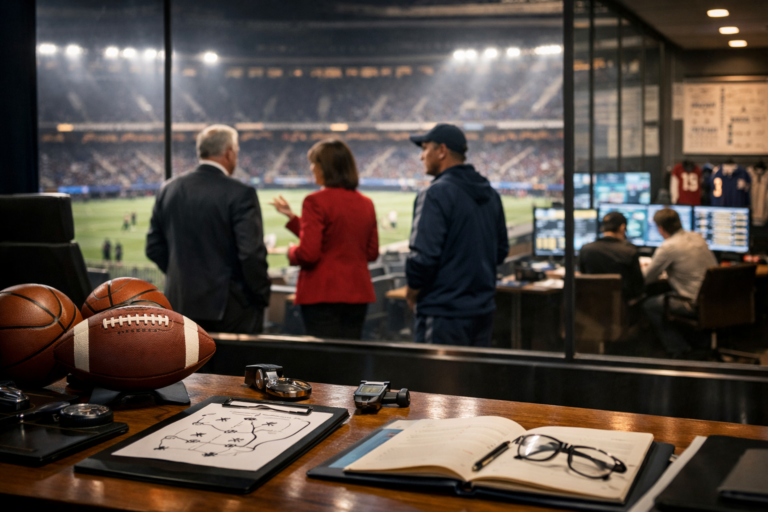
Inside Sports Organizations: How the Institutions Behind Competition Shape the Game
Sports organizations do far more than schedule games and crown champions. They govern rules, develop talent, manage finances, and connect local participation to global competition.
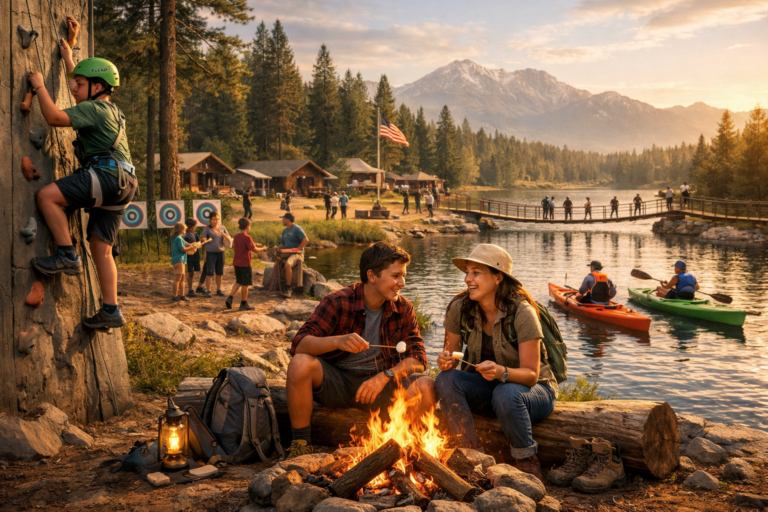
Recreation Camps: Where Adventure, Skills, and Community Come Together
Recreation camps offer far more than a break from routine—they create spaces for adventure, learning, friendship, and personal growth. From day programs to overnight retreats, camps help participants build confidence, resilience, and lasting memories.

Beyond the Scoreboard: How Sports Shape Bodies, Minds, and Communities
Sports are far more than games played for entertainment. They build physical fitness, mental resilience, teamwork, and social connection while influencing culture, education, and community identity.