
Recreation Reimagined: How Purposeful Play Builds Healthier, Happier Lives
What Recreation Really Means
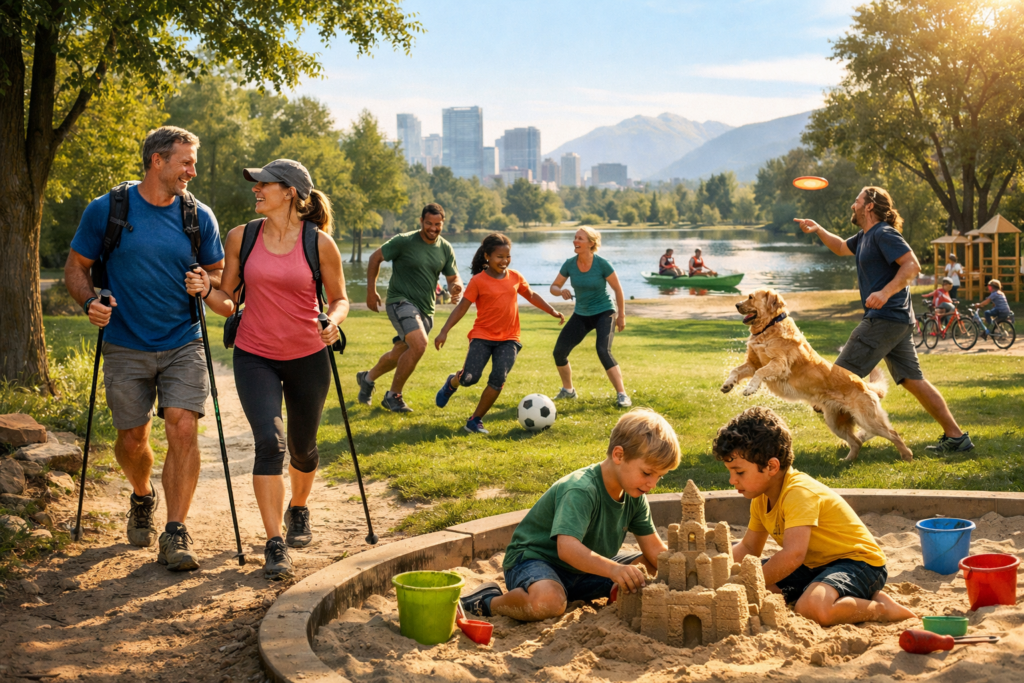
Recreation is the intentional use of leisure time for refreshment, enjoyment, and personal renewal. It can be active or quiet, social or solitary, structured or spontaneous. What makes an activity “recreational” is not its price tag or prestige, but the outcome: you feel restored, engaged, or meaningfully entertained. For some people recreation looks like a weekly soccer match; for others it’s woodworking, birdwatching, dancing in the kitchen, or reading in a park.
In a world of constant notifications and productivity pressure, recreation serves as a counterweight. It protects time for play, curiosity, and human connection—elements that are not optional luxuries, but essential ingredients of long-term well-being.
Why Recreation Matters for Health and Well-Being
Physical benefits: more than “exercise”
Many recreational activities build fitness without feeling like a workout. Walking trails, swimming, gardening, cycling, or recreational sports can improve cardiovascular health, mobility, balance, and muscular strength. Even low-intensity movement supports circulation and joint health, especially for people who sit for long periods during work or school.
Recreation also helps people stick with healthy habits. Enjoyment is a powerful driver of consistency; if the activity is genuinely fun, it’s easier to repeat over weeks and months.
Mental benefits: stress relief, focus, and resilience
Recreation gives the brain a chance to reset. Activities that involve rhythm, nature, creativity, or social bonding can reduce stress and support emotional regulation. Hobbies that demand full attention—like rock climbing, painting, or playing an instrument—can create a “flow” state, where you feel immersed and mentally refreshed afterward.
Recreational time also supports perspective. By stepping away from responsibilities, people often return to tasks with better focus, improved mood, and more patience.
Social benefits: belonging and community
Recreation is one of the easiest ways to build community because it creates repeated, low-pressure interactions around a shared interest. Local leagues, craft circles, walking groups, volunteering events, and community classes help people form friendships across age and background. For families, shared recreational rituals—weekend hikes, board-game nights, cooking together—become a stable source of connection.
Types of Recreation: Finding What Fits
Recreation is broad by design. Exploring different categories can help you discover activities that match your personality, schedule, and energy level.
- Outdoor recreation: hiking, kayaking, camping, fishing, birding, trail running, picnicking.
- Sports and games: basketball, tennis, martial arts, bowling, pickup soccer, tabletop games, chess.
- Creative recreation: drawing, photography, music, writing, dance, theater, crafting.
- Wellness and mindful recreation: yoga, tai chi, stretching, meditation walks, sauna, gentle mobility routines.
- Intellectual recreation: reading, puzzles, language learning, museum visits, public lectures.
- Social and civic recreation: volunteering, community gardening, cultural festivals, neighborhood events.
These categories overlap. A group hike can be outdoor, social, and wellness-oriented all at once. The best recreational plan usually mixes a few types to meet different needs: energy release, creativity, calm, and connection.
Recreation Across Life Stages
Children and teens
For young people, recreation is a core pathway to learning. Play develops coordination, social skills, self-confidence, and problem-solving. Unstructured recreation—time to invent games, explore outdoors, or build with materials—helps children practice autonomy and creativity alongside structured activities like team sports or lessons.
Adults
Adult recreation often competes with work and caregiving. Yet it may be most crucial here: it prevents burnout and helps maintain identity beyond roles and responsibilities. Small, consistent recreational routines—an evening walk, a weekend class, a monthly game night—can be more sustainable than occasional big plans.
Older adults
Recreation supports healthy aging by preserving mobility, balance, and social engagement. Gentle movement, dance, water aerobics, gardening, and walking groups reduce isolation while keeping the body active. Creative hobbies and learning-based recreation also help keep the mind engaged and can provide a sense of purpose.
Building a Sustainable Recreation Routine
Many people assume recreation requires large blocks of free time, special equipment, or ideal weather. In reality, a good recreational life is built from small choices repeated often.
- Start with the “minimum enjoyable dose”: Choose an activity you can do for 10–20 minutes and still feel a lift in mood or energy.
- Match the activity to your current capacity: On high-energy days, pick something active; on low-energy days, choose something restorative like a stroll, music, or a creative hobby.
- Reduce friction: Keep shoes by the door, store art supplies in a ready-to-use box, or pre-plan a weekly time slot with a friend.
- Use variety to stay consistent: Rotate options to avoid boredom and accommodate seasons, budgets, and changing schedules.
- Protect it on the calendar: Treat recreation like a vital appointment, not an optional leftover.
Recreation in the Digital Age: Balancing Screens and Restoration
Digital entertainment can be recreational, especially when it fosters connection or creativity. However, not all screen time is equally restorative. Passive scrolling may leave people feeling drained, while active digital recreation—learning, creating, playing cooperatively, or engaging with a community—often feels more satisfying.
A helpful question is: Do I feel better after this? If the answer is consistently no, it may be worth swapping some screen-based leisure for movement, nature, hands-on hobbies, or face-to-face time.
Barriers to Recreation—and Practical Ways Around Them
Common obstacles include limited time, cost, safety concerns, disability access, and lack of nearby facilities. Solutions often begin with creativity and community resources:
- Low-cost options: public parks, library programs, free community events, at-home workouts, local walking routes.
- Time constraints: “micro-recreation” breaks, commuting walks, lunch-hour stretching, short weekend outings.
- Accessibility: adaptive sports programs, seated exercise, accessible trails, inclusive community centers.
- Safety and comfort: buddy systems, daylight activities, group classes, well-lit routes.
Conclusion: Recreation as a Life Skill
Recreation is not the opposite of productivity; it’s what makes sustainable productivity—and a satisfying life—possible. It strengthens bodies, steadies minds, and weaves social ties that protect against loneliness. When chosen intentionally, recreation becomes a life skill: the ability to restore yourself, explore interests, and reconnect with others. Whether your version is a quiet hobby or an energetic game, prioritizing recreation is a practical investment in health, happiness, and community.
Listings Related to the Article: Recreation Reimagined: How Purposeful Play Builds Healthier, Happier Lives
Sarasota Mental Health Therapy & Counseling
Sarasota Mental Health Therapy & Counseling provides expert mental health support in a safe, welcoming environment. Through personalized counseling and compassionate guidance, they help clients navigate life’s challenges and improve well-being.
- Category
- Health » Mental Health » Counseling Services

Contabo
Contabo stands out as a premier web hosting and cloud service provider, offering unparalleled computing power at an exceptionally competitive cost. With a commitment to customer satisfaction, Contabo provides award-winning support delivered by real people, not automated bots.
- Category
- Computers » Internet » Web Hosting

Domestika
Domestika stands as the premier creative hub, offering online courses instructed by top professionals in the realms of design and creativity. Immerse yourself in learning and collaborative sharing from any location.
More Articles Like: Recreation Reimagined: How Purposeful Play Builds Healthier, Happier Lives

How Health Organizations Shape Stronger Communities
Health organizations play a central role in protecting public well-being, expanding access to care, and responding to local and global health challenges. From hospitals to nonprofits and international agencies, these institutions help build healthier, more resilient communities.

Beyond the Scoreboard: How Sports Shape Bodies, Minds, and Communities
Sports are far more than games played for entertainment. They build physical fitness, mental resilience, teamwork, and social connection while influencing culture, education, and community identity.
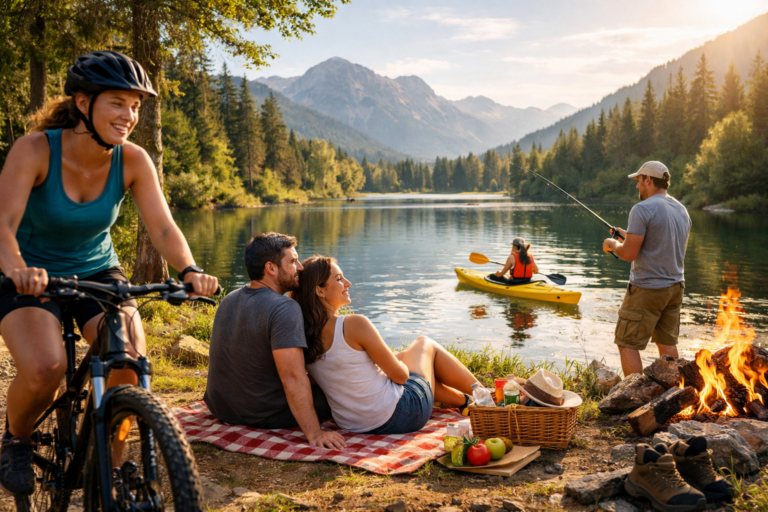
Recreation: Why Leisure Matters for a Healthier, Happier Life
Recreation is more than spare-time fun; it supports physical health, mental balance, social connection, and personal growth. From outdoor adventures to creative hobbies, meaningful recreation helps people recharge and live more fully.