
The Modern Art of Shopping: Smarter Choices, Better Value, Less Stress

Shopping as a Skill, Not a Chore
Shopping has evolved into a daily-life skill that blends decision-making, time management, and financial awareness. Whether you’re purchasing groceries, updating a wardrobe, or comparing tech gadgets, the process often involves dozens of small judgments: what you truly need, what you can afford, how long an item will last, and what trade-offs you’re willing to accept. When approached thoughtfully, shopping becomes less about impulse and more about aligning purchases with your priorities—comfort, durability, convenience, sustainability, or budget stability.
At its best, shopping is a way to solve problems efficiently: feeding a household, replacing worn essentials, or investing in tools that improve your work or hobbies. At its worst, it can be a source of stress and wasted money. The difference usually comes down to preparation, awareness of marketing tactics, and a clear understanding of value.
Types of Shopping: In-Store, Online, and Hybrid
In-store shopping
Physical stores offer immediate access, the ability to inspect items, and sometimes easier returns. Trying on clothing, checking fabric quality, and assessing size and comfort are major advantages. In-store shopping can also be faster for urgent needs, especially when delivery timelines are uncertain.
Online shopping
Online shopping excels in variety, comparison, and convenience. Reviews, price trackers, and detailed specifications can help shoppers make more informed choices—if they know how to filter noise. The primary trade-offs are uncertainty about fit or quality and the possibility of complicated returns or shipping fees.
Hybrid shopping
Many people now research online and buy in-store, or vice versa. For example, you might test a product in person but purchase online for a better price or easier delivery. Hybrid shopping is often the most efficient approach for higher-cost items where quality and price both matter.
Planning for Better Purchases
A few minutes of planning can save hours of browsing and reduce regret later. Planning doesn’t have to be rigid—it simply provides guardrails that keep you from buying on autopilot.
- Define the purpose: What problem are you solving? Replacing an item, upgrading, or trying something new?
- Set a spending range: A target price plus a maximum helps prevent “just a little more” creep.
- Create a short list of requirements: Size, compatibility, materials, warranty, or specific features you won’t compromise on.
- Time your purchase: If it isn’t urgent, waiting for seasonal promotions or price drops can bring meaningful savings.
For repeat purchases like groceries or household items, a simple list prevents duplicate buying and helps you stick to meals or projects you already planned. For larger purchases, writing down your must-haves and nice-to-haves keeps the decision grounded when you’re faced with endless options.
The Psychology of Spending: Common Traps to Notice
Shopping environments—digital or physical—are designed to influence behavior. Recognizing common tactics can help you pause and choose intentionally.
- Scarcity cues: “Only 2 left” or countdown timers can trigger urgency. Sometimes it’s real; often it’s a nudge.
- Anchoring: A high “original price” makes a discount feel more valuable, even when the discounted price is still high.
- Bundling: Multi-packs and bundles can be excellent value—or a way to sell more than you need.
- Convenience premiums: One-click purchases and stored payment details reduce friction, which can also reduce reflection.
A practical countermeasure is to build in a brief pause for non-urgent purchases: a 24-hour wait for items above a certain amount, or a rule that you compare at least two alternatives before buying. These small habits can dramatically cut impulse spending without making life complicated.
How to Evaluate Value Beyond Price
“Cheaper” isn’t always “better,” and “expensive” isn’t always “high quality.” Value is the relationship between what you pay and what you get over time. Consider:
- Cost per use: A durable item used daily may be a better deal than a cheap item replaced frequently.
- Reliability and warranty: A strong return policy or warranty reduces risk, especially for electronics and appliances.
- Maintenance and accessories: Some products require filters, refills, or special parts that raise the long-term cost.
- Fit for your real life: Features you won’t use aren’t value; they’re clutter in disguise.
For clothing, this might mean prioritizing fabric and construction over brand logos. For technology, it can mean focusing on performance for your actual tasks instead of maximum specifications. For groceries, it may be about balancing price with freshness, nutrition, and reduced food waste.
Smart Strategies for Saving Without Sacrificing Quality
Saving money doesn’t require extreme frugality. It often comes from repeatable systems that reduce decision fatigue and capture discounts when they genuinely matter.
- Use a shortlist approach: Identify two or three reliable brands or products per category and rotate based on price and availability.
- Compare total cost: Include shipping, taxes, and return fees before deciding where to buy.
- Leverage price history: For non-urgent items, price tracking can reveal whether a “sale” is actually a discount.
- Buy off-season: Coats after winter, outdoor gear after summer, and holiday items post-season often drop significantly.
- Consider refurbished or secondhand: Many categories—furniture, books, tools, and some electronics—offer excellent value used.
The goal is not to chase every deal, but to create a shopping rhythm that fits your schedule and reduces stress. Consistency beats intensity: a few good habits applied repeatedly outperform occasional bargain-hunting marathons.
Sustainable Shopping: Buying Less, Choosing Better
Sustainable shopping isn’t only about eco-labels; it’s also about reducing waste and improving longevity. Choosing quality over quantity can lower environmental impact and often saves money over time.
- Prioritize durability: Items that last longer reduce replacement frequency and packaging waste.
- Repair when practical: Simple fixes—buttons, seams, small parts—can extend an item’s life significantly.
- Avoid “fantasy purchases”: Buying for an imagined lifestyle often leads to unused clutter.
- Donate or resell responsibly: Pass along usable items to keep them in circulation rather than in landfills.
Even small choices—like buying the right size, selecting versatile items, or planning meals to reduce food waste—can make shopping more sustainable without requiring major lifestyle changes.
Shopping With Confidence
The most effective shoppers aren’t the ones who always find the lowest price; they’re the ones who consistently make purchases they don’t regret. Confidence comes from clarity: knowing your needs, your budget, and the trade-offs you’re willing to accept. With a bit of planning, an eye for common persuasion tactics, and a focus on long-term value, shopping becomes less reactive and more intentional—helping you spend wisely while still enjoying the process.
Listings Related to the Article: The Modern Art of Shopping: Smarter Choices, Better Value, Less Stress

Al Moosawi
Established in 1986, Al Moosawi Trading has evolved into a leading marine and industrial supplier in the Middle East. With over 1,50,000 sq.ft. of storage, 400,000+ inventory items, and 7 UAE locations, our company is a trusted partner in the Gulf region, offering a diverse range of 6000+ products, including valves of all types and sizes, catering to various applications in the marine and oil industries.
- Category
- Business » Industrial Goods and Services » Industrial Supply

ArtPal
Discover and trade art seamlessly on ArtPal. Explore a diverse selection from numerous artists, including paintings, photography, sculptures, jewelry, crafts, fine art, and more. Additionally, easily customize and frame your chosen artwork online.
- Category
- Shopping » Visual Arts » Galleries
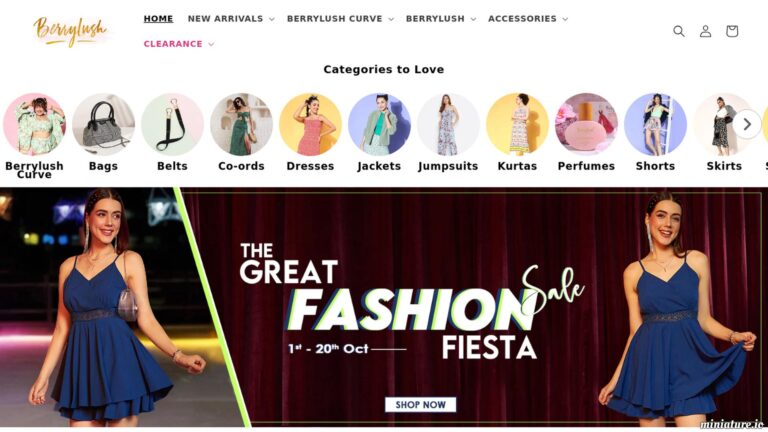
Berrylush
Explore a comprehensive online fashion boutique dedicated to women’s clothing and apparel in India. Discover and acquire the most up-to-the-minute fashion trends, encompassing a stunning collection of dresses, tops, jumpsuits, palazzo pants, and an array of other chic items.
More Articles Like: The Modern Art of Shopping: Smarter Choices, Better Value, Less Stress
A Shopper’s Guide to Ethnic and Regional Finds: Culture, Craft, and Local Flavor
Ethnic and regional shopping offers more than souvenirs—it connects buyers to local traditions, handmade craftsmanship, and the stories behind distinctive products. This guide explores how to shop thoughtfully while discovering authentic goods shaped by culture and place.
The Art and Evolution of Shopping: From Barter to E-Commerce
The Fascinating History of Shopping The concept of shopping has evolved significantly from its rudimentary beginnings. What started as simple bartering has transformed into a complex system influenced by culture, technology, and economic development. Let’s embark on a journey through time to understand how shopping has shaped human civilization. The Origins of Shopping Long before […]
The Ultimate Guide to Smart Shopping: Maximizing Value and Joy
Introduction to Shopping Shopping, a fundamental aspect of modern life, has evolved dramatically over the decades. What once involved visiting local markets and general stores now encompasses complex online systems and global supply chains. This article delves into the details of shopping, from its history to current trends, and offers tips on how to shop […]