
The Intricate Tapestry of Society: An In-Depth Exploration
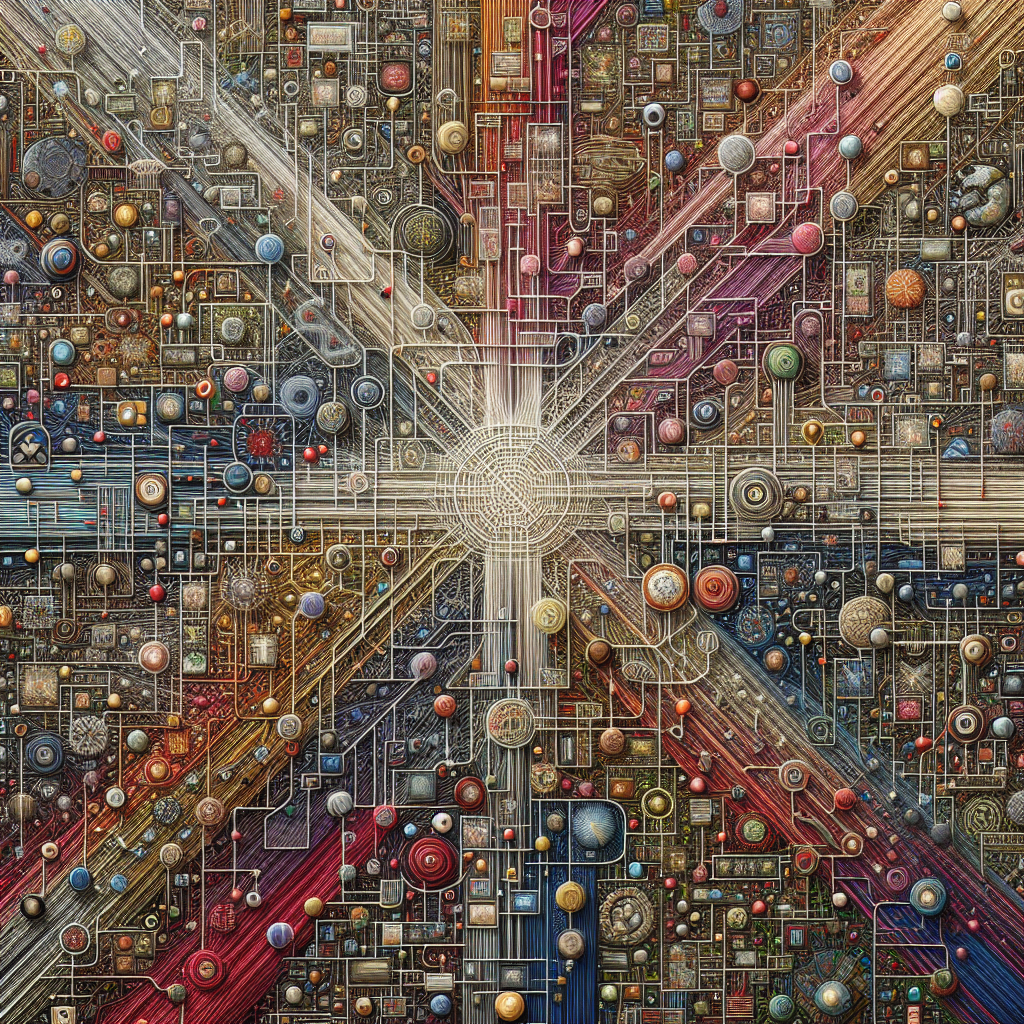
Understanding the Foundational Concepts of Society
Society is a complex and dynamic framework that encapsulates a collective of individuals united by shared institutions, traditions, and cultural norms. It acts as the backdrop against which the drama of human life unfolds, facilitating social interactions, shaping identities, and fostering communal relationships.
The Definition of Society
At its core, society can be defined as a group of individuals engaged in persistent social interaction or a large social group sharing the same geographical or virtual territory, subject to the same political authority and dominant cultural expectations.
- Individuals and Interactions: Individuals in a society are bound by interdependencies, collaborating with and depending on each other to meet basic needs.
- Culture and Traditions: Society is characterized by its cultural fabric — the customs, traditions, and values shared by its members.
- Institutions: These are established organizations or foundations, especially of a religious, educational, social, or similar nature, that help maintain the societal structure.
The Evolution of Society Through History
Societies have evolved from simple hunter-gatherer groups to complex industrial and post-industrial states, each transformation bringing profound changes to human social structures.
Prehistoric and Ancient Societies
In prehistoric times, humans lived in small bands or tribes, partaking in hunting and gathering. As agriculture developed, stable villages and eventually cities emerged, giving rise to ancient civilizations.
- Hunter-Gatherer Bands: Survival was key, with societies structured around kinship and immediate return foraging.
- Agricultural Societies: The Neolithic Revolution brought about settled farming communities, leading to population growth and the development of sedentary societies.
- Ancient Civilizations: Societies such as Mesopotamia, Egypt, and the Indus Valley developed intricate social hierarchies, complex religions, and early forms of governance.
The Middle Ages to the Modern Era
The Middle Ages saw the rise of feudalism, a system where the structures of society were strictly hierarchical. The subsequent Renaissance period ushered in rapid changes in art, science, and thought, laying the groundwork for modern societies.
- Feudal Societies: Based largely on agrarian economy and land ownership, they had rigid class structures.
- The Renaissance and Enlightenment: Sparked intellectual revolutions that inspired individual freedom and democracy, reshaping societal values.
- Industrial Societies: The Industrial Revolution dramatically augmented production capabilities and altered social and economic structures.
Key Components and Structure of Contemporary Society
Modern society is marked by diversity, globalization, and rapid technological advancement, challenging traditional social constructs and fostering new forms of interaction.
Political Systems and Governance
Governments and political ideologies shape contemporary societies. Political systems range from democracies to authoritarian regimes, each with distinct impacts on social freedom and civic engagement.
- Democratic Societies: Residences enjoy freedom and have a voice in government through elections and active civic participation.
- Authoritarian Regimes: Power is concentrated among a limited group, often resulting in restricted freedoms and tighter control over the populace.
Social Norms and Cultural Dynamics
Cultural diversity enriches societies, yet can also challenge cohesiveness. Societal norms influence behaviors and perceptions, evolving with cultural shifts and technological progress.
- Social Norms: Unwritten rules dictate acceptable behaviors and interactions within a community.
- Globalization and Multiculturalism: Increased connectivity has led to widespread cultural exchange and the coexistence of diverse cultural identities.
The Role of Society in the Modern World
In contemporary times, society plays an amplified role as a medium for change, innovation, and global cooperation. It acts as both the arena and catalyst for addressing complex global challenges.
Social Change and Innovation
Societal changes are driven by innovation, altering traditional views and structures to adapt to technological, economic, and environmental transformations.
- Technological Advancements: Innovations such as the internet are reshaping how societies communicate and function.
- Environmental Sustainability: Societies are increasingly focusing on sustainable development to address environmental challenges.
Challenges Facing Modern Societies
While societal advancements have led to progress, they also pose challenges, including income inequality, political polarization, and cultural fragmentation.
- Economic Disparity: Wealth gaps can lead to social tensions and reduce social mobility.
- Polarization: Political and ideological divides can hinder social cohesion and governance.
In conclusion, society is a diverse and evolving entity, constantly shaping and being shaped by its constituents. Understanding its composition and dynamics is crucial for navigating the complexities of the modern world and fostering an inclusive, progressive future.
Listings Related to the Article: The Intricate Tapestry of Society: An In-Depth Exploration
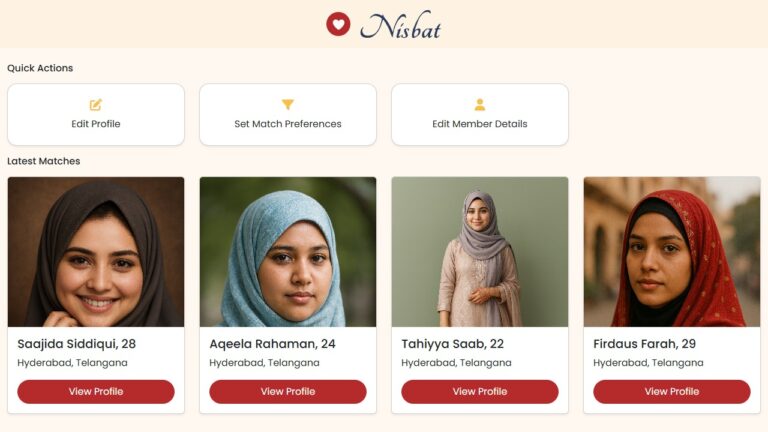
Muslim Marriage App India
Nisbat Muslim Marriage App India helps Muslim families and individuals across India find the right partner for marriage. With a focus on cultural values, trust, and long-term commitment, Nisbat provides a respectful way to connect with suitable matches. Whether you are a parent searching for your son or daughter or an individual looking for a life partner, this app makes the process simple and meaningful.

Al Moosawi
Established in 1986, Al Moosawi Trading has evolved into a leading marine and industrial supplier in the Middle East. With over 1,50,000 sq.ft. of storage, 400,000+ inventory items, and 7 UAE locations, our company is a trusted partner in the Gulf region, offering a diverse range of 6000+ products, including valves of all types and sizes, catering to various applications in the marine and oil industries.
- Category
- Business » Industrial Goods and Services » Industrial Supply
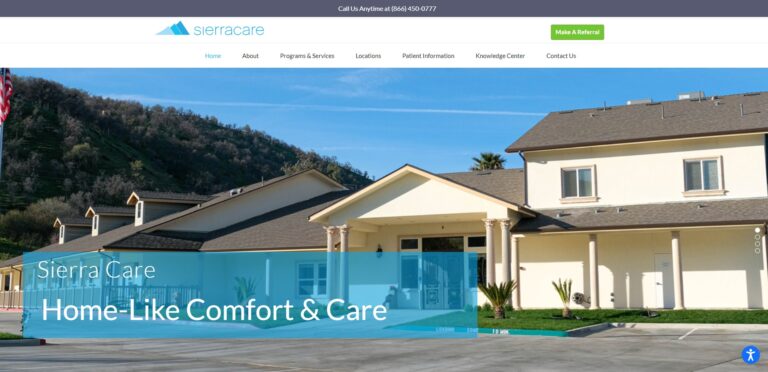
Sierra Care
Sierra Care stands as the leading 24/7 congregate living health facility (CLHF) in Central California. Distinct from Nursing Homes or Skilled Nursing Facilities, Sierra Care specializes in delivering a subacute level of care, catering to individuals with conditions such as spinal cord injury (SCI), traumatic brain injury (TBI), pulmonary care, stroke (CVA), and medically complex traumatic injuries.
- Category
- Health » Medicine » Facilities
More Articles Like: The Intricate Tapestry of Society: An In-Depth Exploration
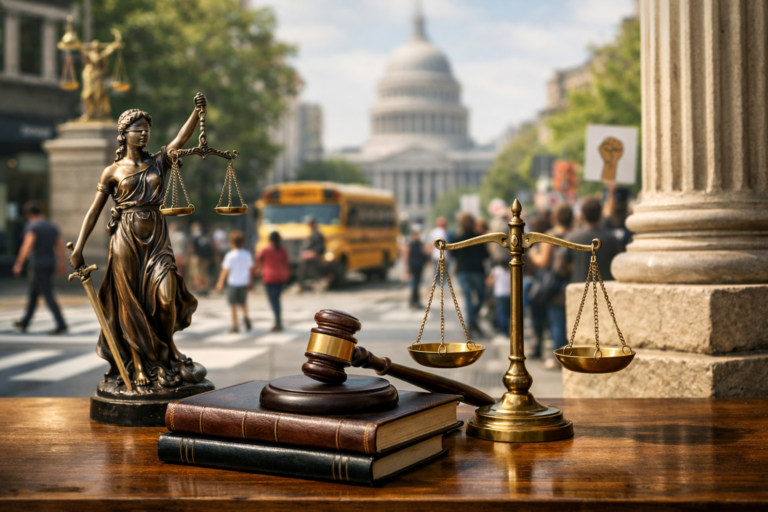
Law in Everyday Life: How Rules Shape Society and Social Change
Law is more than a system of rules enforced by courts; it is a social institution that reflects values, resolves conflicts, and guides collective life. Understanding the relationship between society and law reveals how rights, duties, and justice evolve over time.
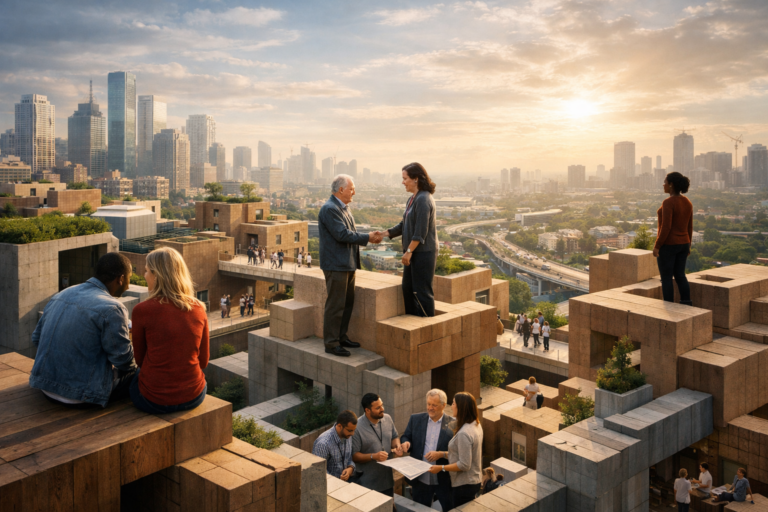
The Living Architecture of Society: How We Build, Belong, and Change Together
Society is more than a population living side by side—it is a living system of relationships, rules, institutions, and shared meanings. This article explores how societies form, how they hold together, and how they evolve under pressure and possibility.

The Living Web: How Society Holds Together, Changes, and Remakes Us
Society is more than a crowd—it is a shared framework of relationships, institutions, and cultural rules that shapes how people live together. This article explores what society is, how it forms, what maintains it, and how it evolves under pressure and innovation.