
The Intricate World of Computers: Unveiling the Evolution and Impact
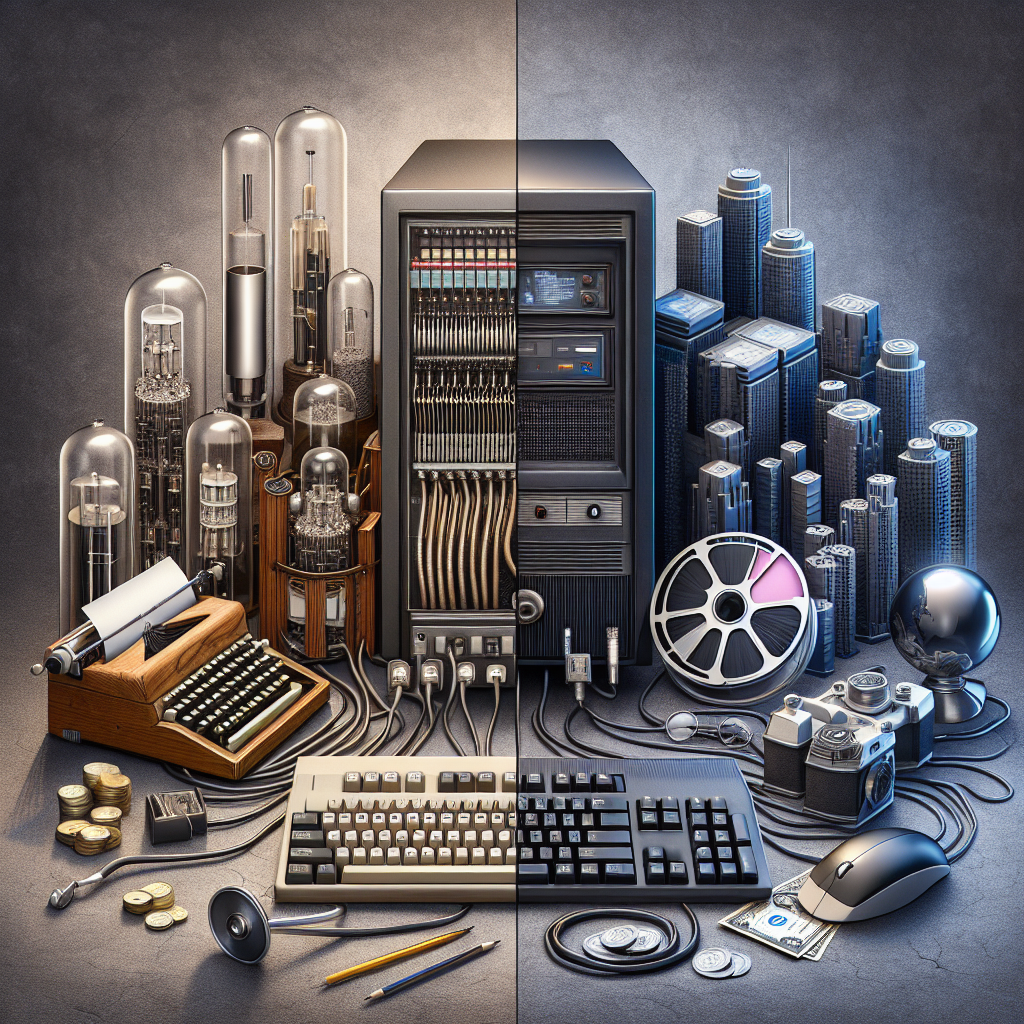
Introduction to Computers
Computers have become integral to modern life, from personal gadgets to complex systems driving global industries. A computer is a programmable machine capable of executing a series of arithmetic or logical operations automatically to manipulate data.
The Evolution of Computers
The Early Days
The journey of computers began in the early 19th century with Charles Babbage’s conceptualization of the Analytical Engine. Though it was never completed, this mechanical general-purpose computer laid foundational principles for future developments.
The Mid-20th Century Revolution
The real revolution began in the mid-20th century. The ENIAC, developed in 1945, was the world’s first general-purpose electronic digital computer. It was unwieldy, consuming a vast amount of space and energy, yet its impact was monumental.
In the 1950s, the transistor was invented, giving birth to the second generation of computers, which were smaller, more reliable, and significantly faster. The 1960s marked the advent of integrated circuit technology, allowing computers to become even more compact and efficient.
The Personal Computer Era
The 1970s and 80s initiated the era of personal computing. Companies like Apple, IBM, and Microsoft revolutionized technology development, making computers accessible to businesses and homes.
The introduction of graphical user interfaces (GUIs) transformed user interaction, popularizing computers across diverse demographics. By the 1990s, the internet era dawned, ushering in connectivity and communication capabilities that reshaped the digital landscape.
Components of a Computer
Hardware
Computer hardware refers to the tangible components that comprise a computer system. Significant components include:
- Central Processing Unit (CPU): Often referred to as the brain of the computer, the CPU executes instructions from programs.
- Memory: This includes both RAM, which temporarily stores data for quick access, and storage devices like SSDs and HDDs for long-term data storage.
- Motherboard: The main circuit board that connects all the components of the computer.
- Peripherals: These include input and output devices such as keyboards, mice, monitors, and printers.
Software
Software is the set of instructions that tells the hardware what to do. It includes:
- Operating Systems (OS): Software like Windows, macOS, and Linux that manage hardware resources and provide a platform for applications.
- Applications: Programs designed to perform specific tasks like word processing, web browsing, or gaming.
- Utility Software: These are primarily designed to help manage, maintain, and control computer resources.
Impact of Computers on Society
Computers have revolutionized almost every aspect of human life. Here are some areas where their impact is most profound:
Business
Computers streamline operations and enable complex calculations, data analysis, and management at unprecedented scales. In addition, they have facilitated the globalization of businesses through advances in communication technology.
Education
In academia, computers have transformed education, providing access to information and educational resources through digital libraries and e-learning platforms.
Healthcare
In healthcare, computers enable the management of patient records, support diagnostic procedures, and facilitate advances in medical research and treatment.
Daily Life
In everyday life, personal computers and mobile devices have transformed the way individuals communicate, consume media, and manage personal tasks.
The Future of Computing
The future of computing holds exciting potential. Emerging fields like quantum computing promise unfathomable processing capabilities that could solve problems deemed insurmountable today. Artificial Intelligence and machine learning continue to evolve, pushing boundaries in data analysis, automation, and beyond.
The trajectory of computers indicates an increasingly integrated and connected world, where technological advancements will further blur the lines between the digital and physical realms.
Conclusion
Computers, from their nascent mechanical designs to modern electronic marvels, have continually transformed industries, societies, and individual lives. As technology advances, the role of computers will undoubtedly continue to evolve, further shaping the world’s future.
Listings Related to the Article: The Intricate World of Computers: Unveiling the Evolution and Impact
Georgia Institute of Technology
The Georgia Institute of Technology (Georgia Tech) is a leading public research university located in Atlanta, Georgia. Known for its innovative programs in engineering, computing, business, and design, Georgia Tech combines cutting-edge research with a commitment to hands-on learning. With a strong emphasis on technology and entrepreneurship, Georgia Tech prepares students to tackle global challenges and drive innovation across industries.
- Category
- Reference » Education » Colleges and Universities

OpenTeQ
OpenTeQ is a proficient software development firm with a worldwide presence and extensive proficiency in providing customized software development services and technology solutions.
- Category
- Computers » Companies » Software Development
GeeksForGeeks
GeeksForGeeks is an online hub tailored for computer enthusiasts, offering a comprehensive collection of meticulously crafted, insightful articles covering computer science and programming topics.
More Articles Like: The Intricate World of Computers: Unveiling the Evolution and Impact
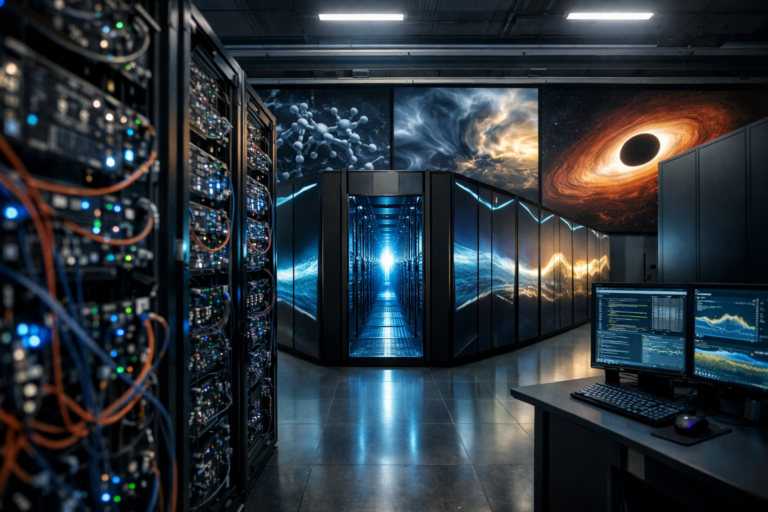
Inside Supercomputing: How the World’s Fastest Computers Solve Impossible Problems
Supercomputing sits at the frontier of modern computing, combining immense processing power with advanced architectures to tackle problems far beyond the reach of ordinary machines. From climate modeling to drug discovery, these systems are reshaping science, industry, and national strategy.
Supercomputing Explained: How Extreme Computing Power Solves the World’s Hardest Problems
Supercomputing combines massive parallel processing, advanced architectures, and high-speed networking to tackle calculations far beyond the reach of ordinary machines. From climate modeling to drug discovery, these systems are essential tools for modern science, industry, and national research.
Beyond the Screen: How Computers Think, Work, and Shape Modern Life
Computers are programmable machines that process data into meaningful results, powering everything from personal productivity to global infrastructure. This article explains how they work, the types you encounter, and the key concepts shaping their future.