
The Intricate Web of Society: Understanding Its Fabric and Dynamics

Introduction to Society
Society is a complex and multifaceted entity encompassing individuals, communities, and entire nations. It forms the foundation for human interaction, determining how people live, work, and interact with one another within a shared space. Understanding society is crucial as it shapes our experiences, beliefs, and values, influencing various aspects of life, from politics and economics to culture and personal relationships.
The Building Blocks of Society
At the core of societal structure are smaller units such as families, peer groups, and social institutions. These units interact to create a larger social framework. Let us examine the fundamental building blocks of society:
Family
The family is the primary unit of society, often considered the first social group an individual becomes a part of. Families provide emotional support, inculcate social norms, and play a vital role in socialization – the process by which individuals learn and internalize the values and norms of their culture.
Communities
Communities are larger groups of people who share common interests, values, traditions, or living spaces. They can be based on geographical proximity or shared interests and enable individuals to form connections beyond the familial setting. Community bonds are crucial for collective identity and support.
Institutions
Social institutions are organized systems that help society fulfill its essential functions. They include:
- Economic Institutions: Facilitate the production, distribution, and consumption of goods and services.
- Political Institutions: Establish laws, governance structures, and mechanisms for societal decision-making.
- Educational Institutions: Provide learning opportunities and promote knowledge dissemination.
- Religious Institutions: Offer spiritual guidance and shape moral standards.
The Dynamics of Society
Society is not static; it continually evolves in response to internal and external influences. Understanding the dynamics involves analyzing the processes and changes affecting social structures. These dynamics include:
Social Change
Social change refers to significant alterations in social behaviors, cultural values, and institutions over time. These changes can result from technological advancements, environmental shifts, population demographics, or ideological transformations. Social change often leads to improved social conditions but can also result in conflict or resistance.
Social Stratification
This concept explains the hierarchical arrangement of individuals or groups within a society. Social stratification can be seen in the form of class, caste, or social status, often determining access to resources, power, and opportunities. It affects life chances and is a critical area of study to understand inequality within societies.
The Role of Culture in Society
Culture encompasses the beliefs, customs, arts, and practices that characterize a society. It plays a pivotal role in shaping individual identities and collective behavior. Cultural norms dictate what is acceptable, influencing how individuals act and interact with one another.
- Language: A vital component of culture, language is a medium of communication and a reflection of cultural heritage, shaping perceptions and interactions within society.
- Traditions and Rituals: These are cultural practices passed down through generations, fostering community cohesion and continuity.
- Arts and Entertainment: These creative expressions reflect societal values and provide a medium for storytelling and emotional expression.
Challenges Facing Modern Society
Contemporary societies face numerous challenges that affect their stability and cohesiveness. Some prominent issues include:
Globalization
While globalization has resulted in increased connectivity and economic growth, it has also led to cultural homogenization, environmental concerns, and economic disparities between nations.
Technological Advancements
Rapid technological changes have transformed industries, lifestyles, and communication patterns, raising concerns about privacy, job displacement, and the digital divide.
Social Inequality
Inequality in wealth, gender, race, and access to resources remains a significant barrier to achieving social justice and harmony. Addressing inequality is crucial for promoting equitable development and reducing social tensions.
Conclusion
The study of society encompasses a wide range of phenomena, from the interactions of individuals within families to the workings of complex institutions. Understanding society helps us navigate the challenges of modern life and work towards a more inclusive and equitable world. Constant reflection and adaptation are necessary to address societal changes and ensure the betterment of all its members.
Listings Related to the Article: The Intricate Web of Society: Understanding Its Fabric and Dynamics
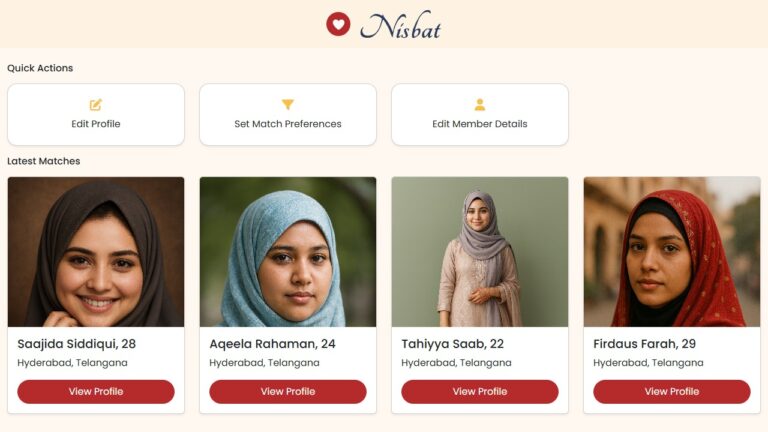
Muslim Marriage App India
Nisbat Muslim Marriage App India helps Muslim families and individuals across India find the right partner for marriage. With a focus on cultural values, trust, and long-term commitment, Nisbat provides a respectful way to connect with suitable matches. Whether you are a parent searching for your son or daughter or an individual looking for a life partner, this app makes the process simple and meaningful.

Valkyrie Funds
Valkyrie Funds stands as a prominent financial services firm, uniquely positioned at the convergence of traditional finance and the rapidly evolving digital asset sector. Headquartered in Nashville, our dedicated team seamlessly merges profound technical know-how in blockchain technologies with a proven track record of launching successful investment vehicles within conventional markets.
- Category
- Business » Investing » Cryptocurrencies
More Articles Like: The Intricate Web of Society: Understanding Its Fabric and Dynamics

Law in Everyday Life: How Rules Shape Society and Social Change
Law is more than a system of rules enforced by courts; it is a social institution that reflects values, resolves conflicts, and guides collective life. Understanding the relationship between society and law reveals how rights, duties, and justice evolve over time.

Why Higher Education News Matters More Than Ever
News about colleges and universities shapes how students, families, educators, and policymakers understand the future of higher education. From tuition and technology to research and campus life, the sector remains a critical barometer of social and economic change.

The Living Architecture of Society: How We Build, Belong, and Change Together
Society is more than a population living side by side—it is a living system of relationships, rules, institutions, and shared meanings. This article explores how societies form, how they hold together, and how they evolve under pressure and possibility.