
Why Higher Education News Matters More Than Ever

The Expanding Importance of News in Higher Education
Colleges and universities occupy a unique place in public life. They are centers of learning, research, workforce development, cultural exchange, and civic debate. Because of this broad influence, news related to higher education reaches far beyond campus boundaries. It affects prospective students choosing where to apply, families evaluating affordability, employers watching talent pipelines, and governments shaping education policy.
In recent years, the volume and urgency of higher education news have increased significantly. Shifts in enrollment, debates over tuition costs, concerns about student debt, the expansion of online learning, and changes in campus leadership have all become major topics of public discussion. As a result, the higher education news cycle is no longer just academic interest; it is mainstream news with lasting national and global implications.
Why the Sector Draws Constant Attention
There are several reasons colleges and universities remain a frequent subject of news coverage. First, they are among the largest employers and economic anchors in many communities. A university can shape local housing markets, transportation systems, healthcare access, and business growth. Second, higher education is directly linked to social mobility. News about admissions, financial aid, graduation rates, and career outcomes speaks to broader questions about opportunity and equity.
Third, universities are often where major breakthroughs begin. Medical research, climate science, engineering innovation, and artificial intelligence development frequently emerge from university labs and academic partnerships. When campuses make headlines, the stories often reflect changes that will influence industries and everyday life for years to come.
Key Topics Dominating Colleges and Universities News
The landscape of higher education reporting is broad, but several recurring issues tend to dominate headlines and public interest.
- Tuition and Affordability: Rising costs remain one of the most closely followed issues. Families want transparency about fees, scholarships, and return on investment.
- Student Debt: News about loan forgiveness, repayment plans, and borrowing trends continues to shape how students think about college decisions.
- Enrollment Trends: Declines or rebounds in enrollment can signal larger demographic, economic, and cultural changes.
- Campus Safety and Student Well-Being: Mental health resources, security policies, and emergency response systems are increasingly central to institutional reporting.
- Technology and Online Learning: Digital classrooms, hybrid models, and AI tools are reshaping instruction and administration.
- Diversity, Equity, and Inclusion: Coverage of admissions policies, support programs, and campus climate remains highly visible and often politically significant.
- Research and Innovation: Grants, discoveries, patents, and public-private partnerships showcase the role universities play in solving complex problems.
How News Influences Student Decisions
For students, news coverage can significantly shape perceptions of institutions. A report on strong internship placement rates or groundbreaking research may raise a university’s profile. At the same time, negative stories involving budget cuts, accreditation concerns, or campus unrest can influence whether students decide to apply or enroll.
Today’s applicants are more informed than ever. They compare schools not just by ranking, but by reading about student experiences, faculty achievements, graduation outcomes, and institutional stability. News stories act as a public record that helps students and families assess whether a college aligns with their goals, values, and financial expectations.
The Role of Trust and Transparency
In the digital age, colleges and universities must respond quickly and clearly to public scrutiny. Institutional credibility depends heavily on transparency. When universities communicate openly about challenges such as budget pressures, policy changes, or leadership transitions, they are more likely to retain public trust. Silence or vague messaging, by contrast, can intensify uncertainty and reputational damage.
This is especially important in a media environment where information spreads rapidly through websites, newsletters, and social platforms. News no longer reaches audiences once a day; it circulates continuously. Colleges and universities therefore need strong communication strategies that balance speed, accuracy, and accountability.
The Growing Impact of Policy and Politics
Higher education news is closely tied to government action. Public funding, student aid programs, visa rules for international students, research grants, and regulatory oversight all influence how institutions operate. Political decisions can affect access, affordability, academic freedom, and institutional planning on a large scale.
Because of this, colleges and universities often become focal points in broader political debates. Legislators may scrutinize campus speech, curriculum standards, administrative spending, or diversity initiatives. Meanwhile, university leaders must navigate changing legal and policy environments while continuing to serve students and communities. For readers, following higher education news offers insight into how public policy translates into real consequences on campus.
Why Local and Global Perspectives Both Matter
Some higher education stories are deeply local, such as the expansion of a campus, a tuition freeze, or a new community partnership. Others are international in scope. Global student mobility, international research collaboration, study abroad trends, and geopolitical tensions all affect universities in meaningful ways. A shift in visa policy in one country can alter enrollment patterns in another. A global public health event can transform teaching and campus operations worldwide.
This interconnectedness means that higher education reporting must be understood at multiple levels. A local campus decision may reflect a global trend, while an international development may directly affect individual students in a single institution.
What Readers Should Watch Going Forward
Looking ahead, several developments are likely to keep colleges and universities in the news. The long-term future of online and hybrid learning remains a key question. The role of AI in teaching, research, and student assessment is evolving quickly. Institutions are also under pressure to demonstrate career value, improve retention, and adapt to changing student demographics.
In addition, sustainability efforts, public trust in expertise, and competition for funding will continue to shape higher education narratives. Universities that can innovate while preserving academic quality and public confidence will likely stand out in future coverage.
Staying Informed in a Changing Landscape
For anyone connected to higher education, staying informed is no longer optional. News about colleges and universities offers vital insight into where education is heading and how institutions are responding to rapid social, technological, and economic change. Whether the topic is affordability, access, research, governance, or student life, these stories matter because they reveal the challenges and possibilities shaping the next generation.
As higher education continues to evolve, informed readers will be better equipped to make decisions, ask sharper questions, and understand the broader role colleges and universities play in society. In that sense, higher education news is not just about campuses. It is about the future.
Listings Related to the Article: Why Higher Education News Matters More Than Ever
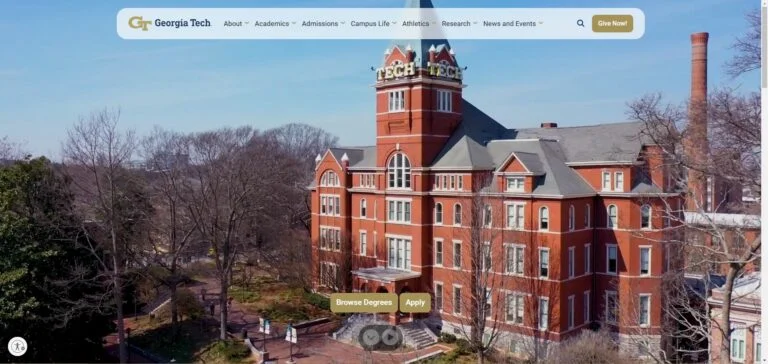
Georgia Institute of Technology
The Georgia Institute of Technology (Georgia Tech) is a leading public research university located in Atlanta, Georgia. Known for its innovative programs in engineering, computing, business, and design, Georgia Tech combines cutting-edge research with a commitment to hands-on learning. With a strong emphasis on technology and entrepreneurship, Georgia Tech prepares students to tackle global challenges and drive innovation across industries.
- Category
- Reference » Education » Colleges and Universities

IU International University of Applied Sciences
IU International University of Applied Sciences offers a diverse range of internationally accredited degree programs, providing students with the opportunity to pursue their academic goals online from anywhere in the world. With a focus on practical application and innovative learning methods, IU empowers students to thrive in today’s globalized workforce.
- Category
- Reference » Education » Colleges and Universities

Alison
Access free online courses with certification on Alison.com. Join a community of 6 million graduates and enhance your career.
- Category
- Reference » Education » Distance Learning
More Articles Like: Why Higher Education News Matters More Than Ever

How Health Organizations Shape Stronger Communities
Health organizations play a central role in protecting public well-being, expanding access to care, and responding to local and global health challenges. From hospitals to nonprofits and international agencies, these institutions help build healthier, more resilient communities.

News | Headline Links: How Modern Readers Navigate the World One Click at a Time
Headline links are the gateways through which most people discover, judge, and share news online. Understanding how they work reveals a great deal about digital journalism, reader behavior, and the economics of attention.

Arts as a Living Language: How Creativity Shapes Culture, Community, and Change
The arts are more than decoration—they are a living language that records history, builds empathy, and powers innovation. From classrooms to public spaces, creative practices help people make meaning, connect, and imagine better futures.