
How Health Organizations Shape Stronger Communities

Understanding the Role of Health Organizations
Health organizations are essential institutions that support, protect, and improve human well-being. They exist in many forms, including hospitals, clinics, public health departments, charities, research centers, insurance networks, and international agencies. While their structures and goals may differ, they all contribute to a larger mission: helping individuals and populations live healthier lives.
Some health organizations focus on direct patient care, such as hospitals and community clinics. Others concentrate on prevention, education, advocacy, or scientific research. Together, they form a broad ecosystem that addresses everything from routine checkups and vaccinations to disease outbreaks, mental health support, and long-term health policy planning.
Major Types of Health Organizations
Hospitals and Clinical Care Providers
Hospitals, urgent care centers, and private clinics are often the most visible health organizations. They diagnose illnesses, provide treatment, perform surgeries, and offer rehabilitation services. Many also serve as teaching centers for future doctors, nurses, and specialists.
These organizations are critical because they connect medical knowledge with immediate patient needs. In many communities, they are also major employers and anchors of local economic stability.
Public Health Agencies
Public health organizations focus on protecting entire populations rather than treating one patient at a time. Local health departments, national disease control agencies, and regulatory bodies monitor health trends, promote disease prevention, and coordinate emergency responses.
Their work includes tracking outbreaks, organizing vaccination programs, promoting sanitation, regulating food safety, and educating the public about healthy behaviors. Public health agencies are especially important during crises, when clear communication and coordinated action can save lives.
Nonprofit and Community-Based Organizations
Nonprofit health organizations often fill gaps that larger systems cannot fully address. They may provide free screenings, maternal health support, mobile clinics, health literacy training, or services for underserved groups. Community-based organizations are often trusted because they understand local cultures, languages, and needs.
These groups frequently focus on health equity, working to reduce barriers related to income, geography, race, disability, or immigration status. Their grassroots approach can make healthcare more accessible and more personal.
Research and Educational Institutions
Universities, laboratories, and medical research institutes drive innovation in healthcare. They study diseases, test new treatments, evaluate public health strategies, and train the future workforce. Breakthroughs in vaccines, diagnostics, and chronic disease management often begin within these organizations.
Educational institutions also influence health systems by shaping professional standards and expanding knowledge across disciplines such as nursing, pharmacy, epidemiology, and health administration.
International Health Organizations
Global health agencies work across borders to address challenges that no single country can manage alone. Pandemics, malnutrition, humanitarian emergencies, and access to essential medicines require international coordination. These organizations support disease surveillance, emergency response, technical guidance, and health system development worldwide.
They also help low-resource regions strengthen infrastructure, train personnel, and improve access to basic care. In a highly connected world, international health cooperation has become increasingly important.
Why Health Organizations Matter
Health organizations do far more than provide treatment after illness occurs. They help prevent disease, educate communities, guide policy, and improve quality of life. Their impact is seen in lower infant mortality, higher vaccination rates, better chronic disease management, and increased life expectancy.
They also create systems of trust. People rely on health organizations for accurate information, safe care, and support during vulnerable moments. When these institutions function well, they strengthen both personal health and social stability.
- Access to care: Expanding services for rural, low-income, and marginalized populations.
- Prevention: Encouraging screenings, immunizations, and healthy lifestyle choices.
- Emergency response: Managing disasters, outbreaks, and public health threats.
- Research and innovation: Advancing treatments, technology, and evidence-based practice.
- Advocacy: Promoting policies that improve health outcomes and reduce inequities.
Challenges Facing Health Organizations
Despite their importance, health organizations face serious and ongoing challenges. Funding shortages, workforce burnout, rising costs, and unequal access to technology can limit their effectiveness. In some areas, health facilities are understaffed or geographically distant, making timely care difficult.
Misinformation is another major concern. Health organizations must communicate clearly and consistently in environments where false or misleading information can spread rapidly. They also need to adapt to changing population needs, including aging demographics, mental health demands, and the growing burden of chronic illness.
Additionally, many organizations are under pressure to improve outcomes while reducing costs. This requires better coordination, smarter use of data, and stronger partnerships between government agencies, private providers, and community groups.
The Growing Importance of Collaboration
No single organization can solve every health challenge alone. Effective healthcare depends on collaboration among providers, policymakers, schools, nonprofits, researchers, and community leaders. A hospital may treat a patient, but lasting wellness may also depend on housing support, nutrition access, transportation, and education.
Collaborative health models are becoming more common because they recognize that health is shaped by social and environmental factors as much as by medicine. When organizations share resources and knowledge, they can respond more effectively and reach more people.
Examples of Collaborative Impact
- Public health agencies partnering with schools to deliver vaccinations and health education.
- Hospitals working with food banks to support patients with nutrition-related conditions.
- Nonprofits and clinics coordinating mental health outreach in underserved neighborhoods.
- Research institutions sharing data with government agencies to monitor disease trends.
Looking Ahead: The Future of Health Organizations
The future of health organizations will likely involve more digital tools, stronger data systems, and greater emphasis on prevention. Telehealth, electronic health records, mobile diagnostics, and artificial intelligence are already changing how care is delivered and managed. These tools can improve efficiency and access, especially in remote or underserved areas.
At the same time, technology alone is not enough. Successful health organizations will need to remain human-centered, culturally responsive, and ethically grounded. They must continue building trust, protecting privacy, and ensuring that innovation benefits everyone rather than widening existing inequalities.
As health challenges become more complex, the role of organizations in coordinating care, informing the public, and improving outcomes will only grow. Their ability to adapt, collaborate, and serve diverse communities will define the strength of health systems in the years ahead.
Conclusion
Health organizations are foundational to modern society. They treat illness, prevent disease, respond to emergencies, and work toward fairer access to care. Whether operating at the neighborhood, national, or global level, they help create healthier communities and more resilient systems. Understanding their role makes it easier to appreciate how deeply our well-being depends on organized, informed, and compassionate health leadership.
Listings Related to the Article: How Health Organizations Shape Stronger Communities
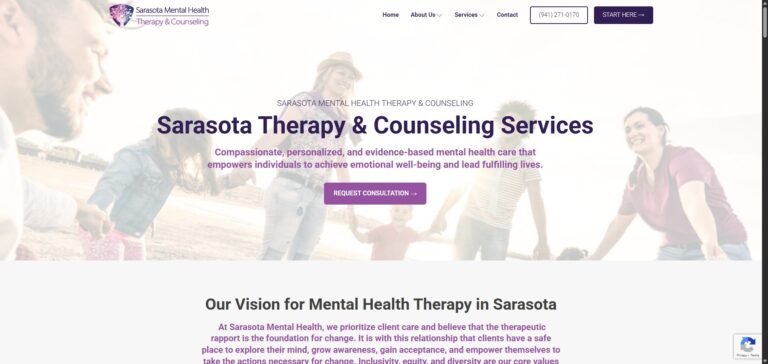
Sarasota Mental Health Therapy & Counseling
Sarasota Mental Health Therapy & Counseling provides expert mental health support in a safe, welcoming environment. Through personalized counseling and compassionate guidance, they help clients navigate life’s challenges and improve well-being.
- Category
- Health » Mental Health » Counseling Services
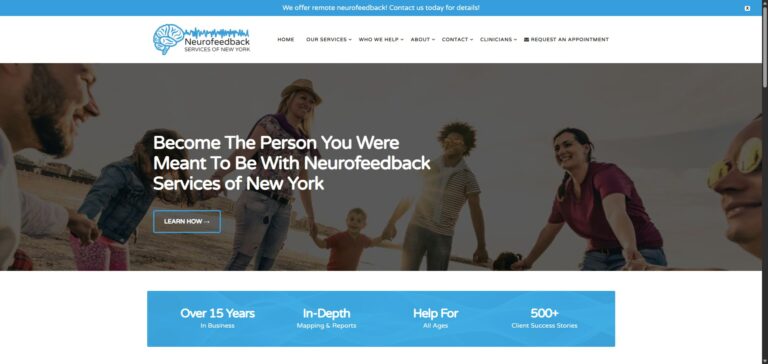
Infraslow Neurofeedback
Neurofeedback Services of New York provides cutting-edge brain training to enhance focus, improve mood, and support emotional balance. Our personalized, non-invasive approach is grounded in proven research.
- Category
- Health » Alternative » Biofeedback
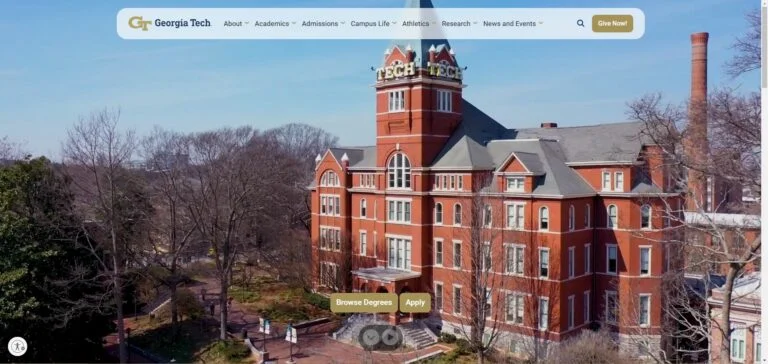
Georgia Institute of Technology
The Georgia Institute of Technology (Georgia Tech) is a leading public research university located in Atlanta, Georgia. Known for its innovative programs in engineering, computing, business, and design, Georgia Tech combines cutting-edge research with a commitment to hands-on learning. With a strong emphasis on technology and entrepreneurship, Georgia Tech prepares students to tackle global challenges and drive innovation across industries.
- Category
- Reference » Education » Colleges and Universities
More Articles Like: How Health Organizations Shape Stronger Communities

Inside Sports Organizations: How the Institutions Behind Competition Shape the Game
Sports organizations do far more than schedule games and crown champions. They govern rules, develop talent, manage finances, and connect local participation to global competition.

Law in Everyday Life: How Rules Shape Society and Social Change
Law is more than a system of rules enforced by courts; it is a social institution that reflects values, resolves conflicts, and guides collective life. Understanding the relationship between society and law reveals how rights, duties, and justice evolve over time.

Why Higher Education News Matters More Than Ever
News about colleges and universities shapes how students, families, educators, and policymakers understand the future of higher education. From tuition and technology to research and campus life, the sector remains a critical barometer of social and economic change.