
Health That Holds Up: Everyday Systems for Body, Mind, and Energy
What “Health” Really Means (Beyond Not Being Sick)
Health is often treated like a binary status: you either have it or you don’t. In reality, health is a dynamic capacity—your ability to function, adapt, recover, and enjoy life across changing circumstances. It includes physical factors like cardiovascular fitness and metabolic stability, mental factors like mood and focus, and social factors like connection and support. The most useful way to think about health is as a set of skills and systems you practice consistently, not a perfect state you maintain.
Because life is busy, the best health strategies are those that work under pressure: simple routines, flexible planning, and habits that produce benefits even when you can’t be “ideal.”
The Pillars That Most Strongly Shape Wellbeing
Many influences affect health, but a few pillars drive outsized results. Improving these doesn’t require extreme rules; it requires consistency and thoughtful design.
1) Sleep: The Multiplier You Can’t Replace
Sleep supports immune function, appetite regulation, learning, emotional steadiness, and recovery. When sleep is short or irregular, cravings rise, decision-making weakens, and stress feels louder. If you want one habit that amplifies nearly every other health effort, prioritize sleep.
- Keep a steady wake-up time most days; it anchors your body clock.
- Build a wind-down buffer (15–30 minutes) with dimmer light and fewer screens.
- Make your bedroom a cue for sleep: cool, dark, quiet, and uncluttered.
- Use caffeine strategically: avoid late-day intake if it disrupts falling asleep.
2) Movement: Strength + Cardio + Mobility
Movement improves blood sugar control, mood, sleep quality, joint health, and longevity. The most protective approach combines three elements: strength training (muscle and bone), cardiovascular work (heart and lungs), and mobility (range of motion and injury resistance). You don’t need a perfect plan—just a weekly rhythm you can repeat.
- Strength: 2–3 sessions per week (push, pull, squat/hinge, carry).
- Cardio: 120–150 minutes of moderate effort weekly, or shorter vigorous sessions if appropriate.
- Daily movement “snacks”: 5–10 minute walks, stairs, light stretching between tasks.
If motivation is inconsistent, focus on identity-based goals: “I move every day,” even if the dose is small. Small doses compound.
3) Nutrition: Patterns Beat Perfection
Healthy eating is not about never enjoying dessert or following a single “best” diet. It’s about building repeatable patterns that support stable energy, a healthy relationship with food, and long-term disease prevention. Most people benefit from more fiber, more minimally processed foods, and adequate protein, while keeping highly processed items as occasional extras.
- Build balanced plates: protein + colorful plants + high-fiber carbs + healthy fats.
- Aim for fiber: beans, lentils, oats, vegetables, fruit, nuts, and seeds.
- Hydrate consistently: water through the day; adjust for heat and activity.
- Plan for convenience: keep simple staples on hand to reduce last-minute choices.
A practical rule: choose “mostly nourishing” foods most of the time, and make room for enjoyment without guilt. Sustainability matters more than strictness.
4) Stress Skills: Turning Pressure Into Manageable Load
Stress is unavoidable; chronic, unbuffered stress is what causes harm. When stress remains high for long periods, sleep suffers, inflammation rises, and coping behaviors (like overeating or inactivity) become more tempting. Stress management isn’t only about relaxation—it’s about building recovery into your day.
- Micro-recovery: 2–5 minutes of slow breathing, stretching, or a short walk.
- Boundaries: set “off” times for work messages and news consumption.
- Emotional hygiene: journaling, therapy, or trusted conversations that reduce rumination.
- Nature and sunlight: brief daily exposure can improve mood and circadian rhythm.
5) Connection and Purpose: The Underestimated Health Factors
Strong social ties correlate with better mental health and longer life. Purpose—whether through work, caregiving, volunteering, learning, or creative projects—helps people persist through setbacks. If health habits keep falling apart, consider whether isolation, burnout, or lack of meaning is draining your capacity to follow through.
- Schedule connection: recurring calls, shared meals, group activities.
- Join something: classes, clubs, community sports, faith or service groups.
- Create “frictionless” support: walking dates, meal prep with a friend, accountability chats.
Prevention: The Quiet Power of Small Checkpoints
Preventive care catches problems early, when they’re easier to treat. It also reduces uncertainty: you don’t have to guess what’s happening inside your body. Prevention includes screening tests, vaccinations, dental care, and routine checkups tailored to your age, sex, family history, and risk factors.
- Know your numbers: blood pressure, cholesterol, blood sugar, waist circumference.
- Stay current on vaccines based on local guidelines and personal risk.
- Prioritize oral health: gum disease is linked with broader health issues.
- Listen to persistent symptoms: ongoing fatigue, pain, or mood changes deserve evaluation.
How to Build a Personal Health System That Sticks
Health improves when you make it easier to do the right thing than the default thing. Instead of relying on willpower, design your environment and routines so healthy choices happen with less effort.
- Start with one “keystone” habit: sleep schedule, daily walk, or a protein-forward breakfast.
- Use minimums and stretch goals: “10 minutes counts” on hard days; do more when you can.
- Track the process, not just outcomes: days exercised, servings of vegetables, bedtime consistency.
- Prepare for setbacks: plan a fallback meal, a short workout, or a calming routine.
Over time, health becomes less about dramatic changes and more about quiet alignment: your calendar, kitchen, relationships, and habits all pointing in the same direction. The goal isn’t perfection—it’s durability. When your health system holds up during busy weeks, travel, stress, and change, you’ve built something that truly lasts.
Listings Related to the Article: Health That Holds Up: Everyday Systems for Body, Mind, and Energy
Sarasota Mental Health Therapy & Counseling
Sarasota Mental Health Therapy & Counseling provides expert mental health support in a safe, welcoming environment. Through personalized counseling and compassionate guidance, they help clients navigate life’s challenges and improve well-being.
- Category
- Health » Mental Health » Counseling Services

Infraslow Neurofeedback
Neurofeedback Services of New York provides cutting-edge brain training to enhance focus, improve mood, and support emotional balance. Our personalized, non-invasive approach is grounded in proven research.
- Category
- Health » Alternative » Biofeedback

DryMaster Systems
Situated in the sunlit region of Southern California, DryMaster Systems has thrived for more than 15 years within the realms of carpet, air duct, and dryer vent cleaning.
- Category
- Business » Business Services » Domestic Services
More Articles Like: Health That Holds Up: Everyday Systems for Body, Mind, and Energy

How Health Organizations Shape Stronger Communities
Health organizations play a central role in protecting public well-being, expanding access to care, and responding to local and global health challenges. From hospitals to nonprofits and international agencies, these institutions help build healthier, more resilient communities.
Smart Nutrition for Everyday Health: Building Better Habits One Meal at a Time
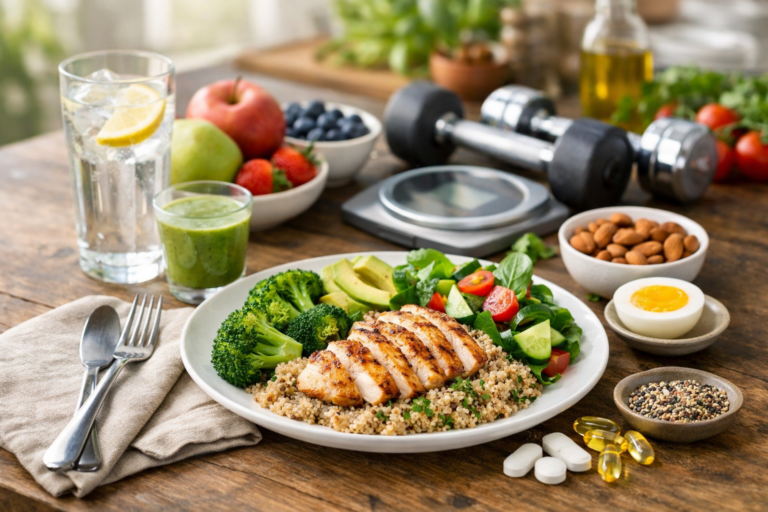
Good nutrition is not about strict rules or perfect eating. It is about choosing balanced, nourishing foods consistently to support energy, immunity, mood, and long-term health.

Recreation: Why Leisure Matters for a Healthier, Happier Life
Recreation is more than spare-time fun; it supports physical health, mental balance, social connection, and personal growth. From outdoor adventures to creative hobbies, meaningful recreation helps people recharge and live more fully.