
Recreation Reimagined: How Play, Rest, and Leisure Build a Better Life
What Recreation Really Means
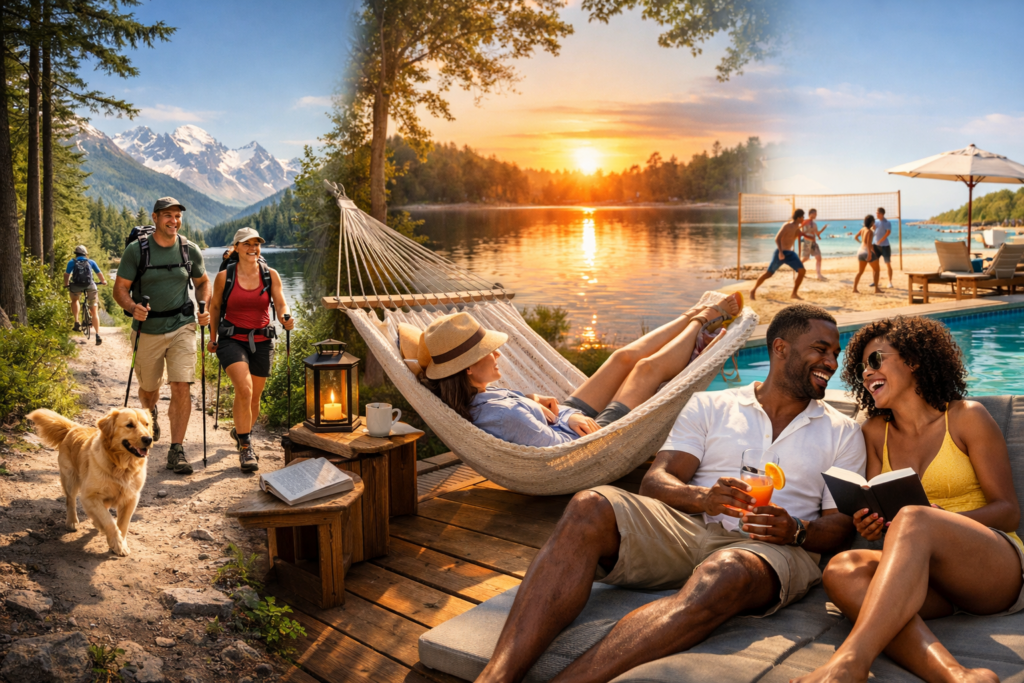
Recreation refers to activities people choose for enjoyment, renewal, and personal satisfaction during free time. While it often overlaps with leisure, recreation is typically more active and intentional—something you do to feel restored rather than simply time spent away from work. A walk after dinner, a weekend basketball game, a museum visit, gardening, or playing an instrument can all be recreational when they provide pleasure and help you reset.
In modern life, where work and digital demands blur into evenings and weekends, recreation acts as a counterbalance. It creates space for the mind and body to recover, for creativity to emerge, and for social bonds to strengthen. It can be quiet or energetic, solitary or shared, structured or spontaneous—yet its central purpose remains the same: replenishment.
Why Recreation Matters for Health and Well-Being
Physical benefits
Many recreational activities naturally include movement, which supports cardiovascular health, mobility, and strength. Even low-impact options—like walking, swimming, tai chi, or casual cycling—can improve circulation and joint function when done consistently. Because recreational movement is often enjoyable, people may stick with it longer than purely “exercise for exercise’s sake.”
Mental and emotional benefits
Recreation can reduce stress by shifting attention away from worries and toward a present-moment experience. Activities that create “flow”—a feeling of deep focus and engagement—are especially restorative. Creative pursuits such as painting, cooking, writing, or music can help process emotions and build confidence through skill development and self-expression.
Social and community benefits
Shared recreation helps people connect in low-pressure ways. A pickup game, a book club, volunteering at a community garden, or a family board-game night strengthens relationships through shared experiences. Communities also benefit when recreation is accessible: parks, trails, sports leagues, and cultural events can reduce isolation and support public health.
Types of Recreation: Finding What Fits
Recreation is not one-size-fits-all. The best option depends on your interests, abilities, schedule, and environment. Consider exploring a mix across these categories to keep your leisure time balanced and energizing.
Outdoor and nature-based recreation
Nature adds an extra layer of restoration. Outdoor recreation can be as simple as visiting a neighborhood park or as ambitious as hiking, kayaking, or camping. Time outdoors often encourages movement and provides a mental break from screens and indoor routines.
- Walking or trail hiking
- Birdwatching or nature photography
- Picnics, beach days, or fishing
- Camping and stargazing
Sports and fitness recreation
Recreational sports differ from competitive athletics because the primary goal is enjoyment. Joining a casual league or meeting friends for weekly activity can add structure and motivation without the pressure to perform.
- Basketball, soccer, tennis, or pickleball
- Swimming, skating, or cycling
- Dance classes, yoga, or martial arts
- Climbing gyms and group fitness meetups
Creative and cultural recreation
Creativity restores energy in a different way: it engages imagination and problem-solving while offering a sense of progress. Cultural recreation—such as concerts or museums—broadens perspective and can spark curiosity.
- Drawing, crafts, woodworking, or sewing
- Music, theater, or community choirs
- Reading, writing, or language learning
- Visiting galleries, museums, or local festivals
Relaxation and restorative recreation
Not all recreation needs to be active. Restorative activities help calm the nervous system and counter burnout. The key is choosing options that genuinely refresh you rather than leaving you feeling dull or overstimulated.
- Meditation, breathwork, or gentle stretching
- Warm baths, sauna sessions, or quiet time
- Journaling, puzzles, or casual games
- Slow hobbies like knitting or mindful cooking
How to Make Recreation a Sustainable Habit
Start with a “minimum enjoyable dose”
Consistency matters more than intensity. If your schedule is tight, begin with a short, repeatable activity—ten minutes of walking, a brief sketch session, or a quick round of stretching. Small recreational rituals protect your time and make it easier to expand later.
Match the activity to your current energy
A common barrier is choosing recreation that doesn’t fit how you feel. If you’re mentally drained, a demanding strategy game may not be restorative. If you’re physically restless, passive entertainment may not satisfy. Keep a short list of options for different moods: energizing, calming, social, and solo.
Design your environment for easy access
Reduce friction by preparing what you need in advance. Keep walking shoes by the door, store art supplies in a visible container, or schedule recurring time with friends. Recreation becomes more likely when it’s the convenient choice.
Protect recreation from becoming another obligation
Recreation should feel like a choice, not a chore. If an activity stops restoring you—perhaps it becomes overly competitive, expensive, or stressful—it’s okay to adjust. The goal is renewal, not perfection.
Recreation Across Life Stages
Recreation evolves with age and circumstance. Children often play instinctively, benefiting from unstructured exploration and social learning. Teens may gravitate toward team sports, creative expression, or digital communities. Adults frequently need to “re-learn” recreation after work and family responsibilities take over, while older adults may prioritize joint-friendly movement, social connection, and purpose-driven activities like volunteering.
Accessibility is essential across all stages. Adaptive sports, inclusive community programs, and barrier-free public spaces ensure that recreation remains available to people with different abilities and health needs.
Creating a Personal Recreation Plan
If you want recreation to be a reliable source of well-being, treat it as a meaningful part of life rather than leftover time. A simple plan can help:
- Pick two anchors: one weekly activity you can count on (a class, a walk with a friend) and one flexible option for busy days.
- Balance variety: include at least one activity that moves your body, one that calms your mind, and one that connects you socially.
- Review monthly: notice what truly restores you, then do more of that and less of what drains you.
Ultimately, recreation is a practice of choosing renewal. When approached intentionally—without pressure to be “productive”—it becomes a powerful tool for health, connection, and joy.
Listings Related to the Article: Recreation Reimagined: How Play, Rest, and Leisure Build a Better Life
Sarasota Mental Health Therapy & Counseling
Sarasota Mental Health Therapy & Counseling provides expert mental health support in a safe, welcoming environment. Through personalized counseling and compassionate guidance, they help clients navigate life’s challenges and improve well-being.
- Category
- Health » Mental Health » Counseling Services

Life Orientations
Unlock the potential of the LIFO method with Life Orientations, a platform applying behavioral science to boost individual and group productivity.
- Category
- Science » Social Sciences » Psychology

Life Lab
Life Lab is on a mission to enhance science education in India. With 5+ years of experience, we’re partnering with corporations, NGOs, and state governments to reach 1 million children, especially in rural areas, out of the 440 million in the country. Science is the path to a brighter future, and we’re making it accessible to all.
- Category
- Science » Educational Resources » Organizations
More Articles Like: Recreation Reimagined: How Play, Rest, and Leisure Build a Better Life
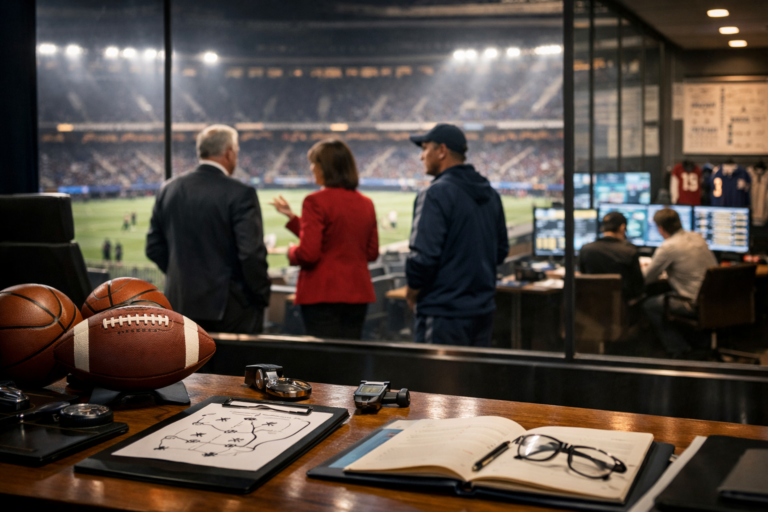
Inside Sports Organizations: How the Institutions Behind Competition Shape the Game
Sports organizations do far more than schedule games and crown champions. They govern rules, develop talent, manage finances, and connect local participation to global competition.
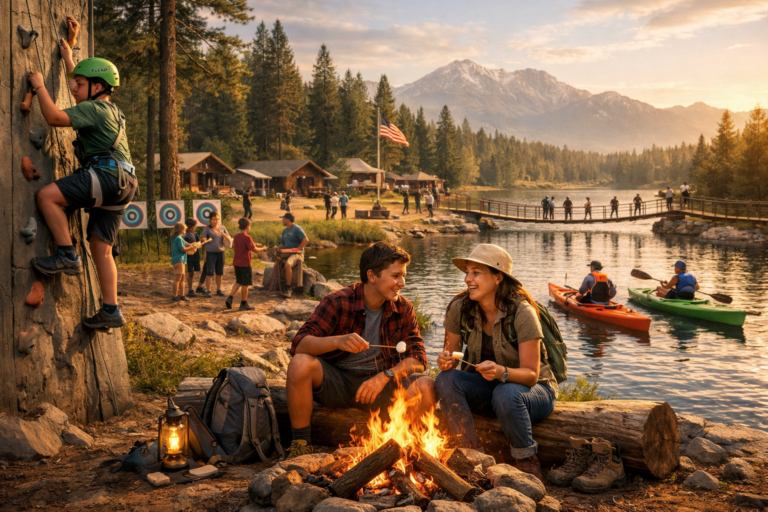
Recreation Camps: Where Adventure, Skills, and Community Come Together
Recreation camps offer far more than a break from routine—they create spaces for adventure, learning, friendship, and personal growth. From day programs to overnight retreats, camps help participants build confidence, resilience, and lasting memories.

How Health Organizations Shape Stronger Communities
Health organizations play a central role in protecting public well-being, expanding access to care, and responding to local and global health challenges. From hospitals to nonprofits and international agencies, these institutions help build healthier, more resilient communities.