
Recreation: The Skill of Restoring Body, Mind, and Community
What Recreation Really Means
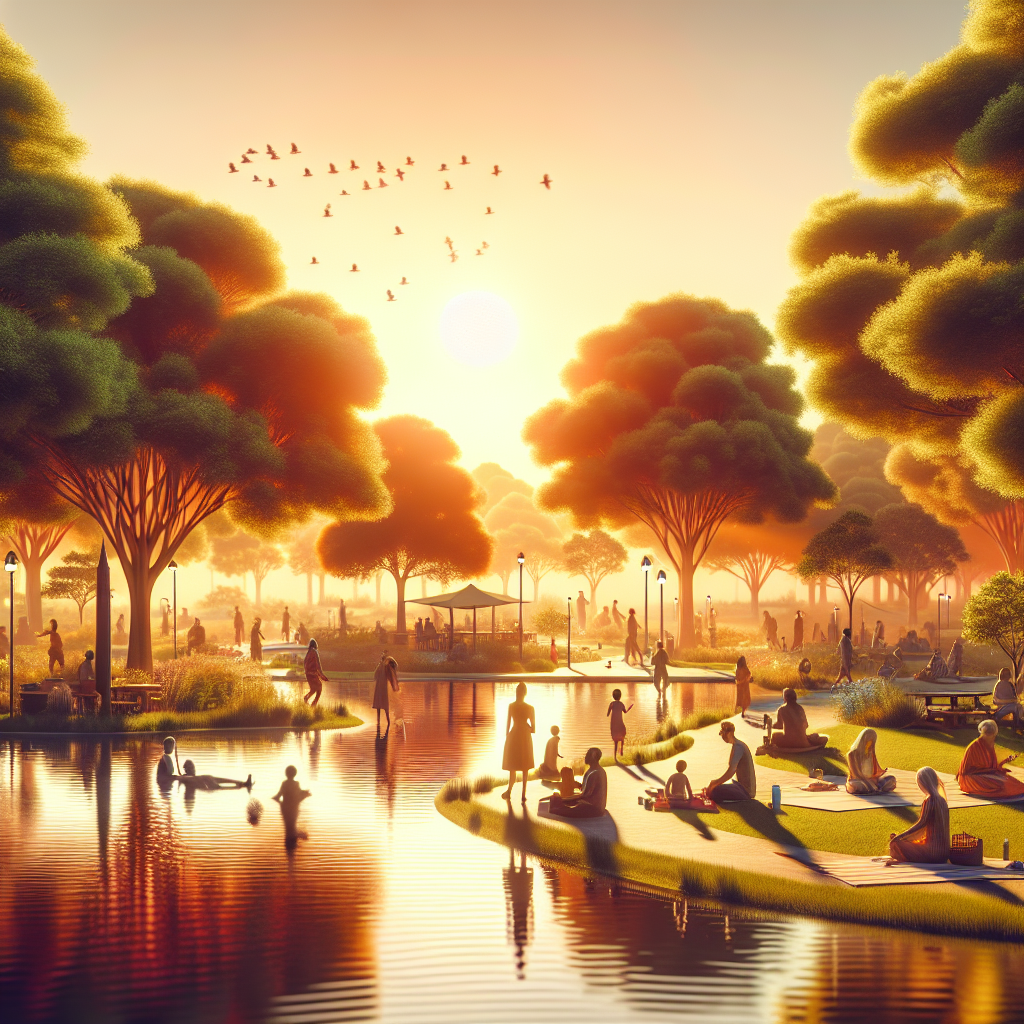
The word “recreation” comes from the idea of re-creating—restoring what daily demands wear down. In practical terms, recreation is any activity chosen freely for enjoyment, renewal, or personal growth. It can be physical (a hike), creative (painting), social (game night), or reflective (reading in a park). What makes an activity recreational is not its popularity or intensity, but the way it replenishes you.
In modern life, recreation often competes with obligations and screen-based distractions. Yet when approached intentionally, it becomes a key part of well-being: a way to reset attention, maintain health, and reconnect with others and the natural world.
Why Recreation Matters
Physical Health and Vitality
Active recreation—walking, cycling, swimming, dancing, or playing a sport—supports cardiovascular fitness, muscle strength, mobility, and balance. Even moderate activity can improve sleep quality and daily energy. Importantly, recreational movement tends to be more sustainable than rigid exercise programs because it’s enjoyable and socially reinforcing.
Mental Restoration and Stress Relief
Recreation helps the brain shift gears. After long stretches of focused work, playful or absorbing activities provide “mental recovery,” reducing stress and improving mood. Activities that combine light challenge with clear feedback—such as gardening, puzzles, climbing, or practicing music—can create a state of flow, where time feels like it passes quickly and worries fade into the background.
Social Connection and Belonging
Many recreational activities naturally build community. Teams, clubs, classes, and casual gatherings provide repeated, low-pressure interactions that strengthen relationships. Shared recreation also bridges differences: people who may not meet at work or school can connect through a league, a volunteer trail day, or a neighborhood festival.
Personal Identity and Lifelong Learning
Recreation is a powerful way to explore who you are beyond your responsibilities. Learning a craft, improving at a sport, or taking up birdwatching creates a sense of progress and competence. These experiences can be especially meaningful during life transitions—moving to a new city, starting a family, retiring—when routines change and identity needs updating.
Types of Recreation: Finding Your Best Fit
Recreation comes in many forms, and most people benefit from a mix. Consider these broad categories and what they offer.
Outdoor Recreation
Time outside combines movement with the psychological benefits of nature. Parks, trails, lakes, and beaches offer space to breathe and reset. Outdoor options range from gentle to adventurous: walking, hiking, paddling, fishing, picnicking, stargazing, camping, or climbing.
Indoor and Home-Based Recreation
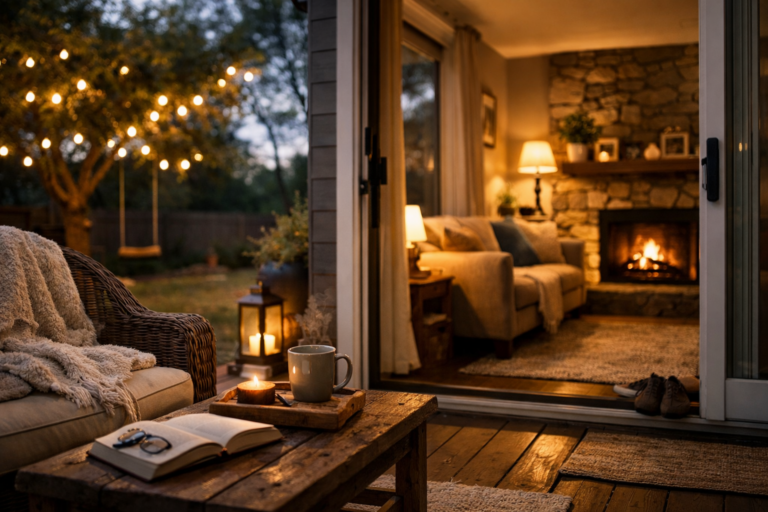
Not all recreation requires travel or special facilities. Reading, cooking for fun, crafting, home workouts, board games, and music practice can be deeply restorative. These activities are often easier to fit into busy schedules and can be adapted for limited mobility or harsh weather.
Creative and Cultural Recreation
Creativity isn’t only for professionals. Drawing, photography, writing, acting, dancing, and visiting museums or performances can bring joy and meaning. Cultural recreation also supports empathy and curiosity by exposing you to new stories and perspectives.
Social and Community Recreation
Some people recharge through shared experiences: community sports, hobby meetups, volunteering, festivals, and group classes. Social recreation can be particularly protective against loneliness and can make it easier to maintain habits through accountability and shared purpose.
How to Choose Recreational Activities That Actually Restore You
Because people recharge differently, the “best” recreation is personal. Use these questions to guide your choices:
- Do I need energy or calm? High-energy activities can lift mood, while calmer activities can soothe overstimulation.
- Do I want solitude or connection? Balance alone-time hobbies with social activities, depending on what your week demands.
- What level of challenge feels right? Too easy can feel dull; too hard can feel stressful. Aim for an enjoyable stretch.
- What’s realistic with my time and budget? Simple, repeatable activities often deliver the greatest long-term benefit.
- Will I want to do this again? Sustainability matters more than intensity.
Barriers to Recreation—and Practical Ways Around Them
“I Don’t Have Time”
Recreation doesn’t require long blocks. A 10–20 minute walk, a short stretching routine, or a quick sketch can still provide a meaningful reset. Scheduling recreation like an appointment—especially during high-stress seasons—helps protect it from being crowded out.
Cost and Access
Many forms of recreation are low-cost: library resources, public parks, free community events, neighborhood walking routes, and at-home hobbies. When facilities are limited, communities often benefit from shared-use agreements (schools opening fields after hours) and improved public spaces that invite safe play and gathering.
Motivation and Fatigue
When you’re tired, the easiest option is often passive scrolling, which may not restore you. A helpful strategy is to keep a “low-friction menu” of activities: a ready-to-go playlist for a short walk, a puzzle on the table, a packed swim bag, or a standing weekly meet-up. Starting small lowers resistance and builds consistency.
Inclusivity and Safety
Recreation should be welcoming. Accessible trails, adaptive sports programs, and inclusive community spaces allow more people to participate. Safety also matters: well-lit parks, clear signage, and community norms that discourage harassment make recreation more available to everyone.
Building a Balanced Recreation Routine
Think of recreation as a portfolio rather than a single habit. A balanced approach might include:
- Daily micro-recreation: brief movement, music, reading, or mindfulness to reset attention.
- Weekly social recreation: a class, league, or gathering that strengthens connection.
- Monthly “deep recharge”: a longer hike, day trip, creative project, or volunteer event.
The goal is not to fill every spare moment, but to ensure that your week contains activities that actively restore you—physically, mentally, and socially.
Recreation as a Community Resource
At a larger scale, recreation supports healthier neighborhoods. Parks and community centers provide safe places for children to play, adults to exercise, and seniors to socialize. Local recreation programs can reduce isolation, encourage civic pride, and create shared experiences that strengthen social ties. When communities invest in accessible public spaces, they’re not just funding “fun”—they’re supporting public health and quality of life.
Conclusion
Recreation is a practical, renewable resource: a way to restore capacity and joy in the middle of demanding lives. Whether you prefer quiet hobbies, outdoor adventures, or shared community events, the best recreational activities are the ones that leave you feeling more like yourself. Chosen with intention and practiced consistently, recreation becomes less of a luxury and more of a foundational skill for living well.
Listings Related to the Article: Recreation: The Skill of Restoring Body, Mind, and Community
A Plus Home Restoration
A Plus Home Restoration focuses on repairing and rebuilding homes after unforeseen damage. They provide prompt, reliable service to help homeowners restore their properties with peace of mind.
More Articles Like: Recreation: The Skill of Restoring Body, Mind, and Community
Recreation Camps: Where Adventure, Skills, and Community Come Together
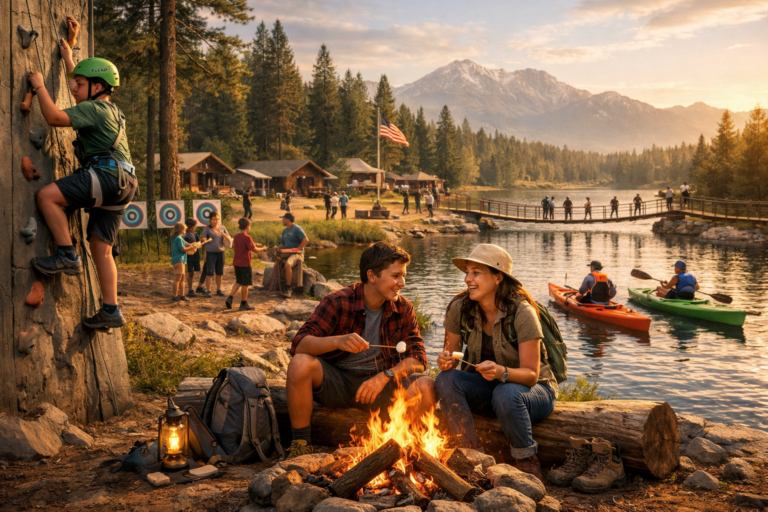
Recreation camps offer far more than a break from routine—they create spaces for adventure, learning, friendship, and personal growth. From day programs to overnight retreats, camps help participants build confidence, resilience, and lasting memories.
Law in Everyday Life: How Rules Shape Society and Social Change
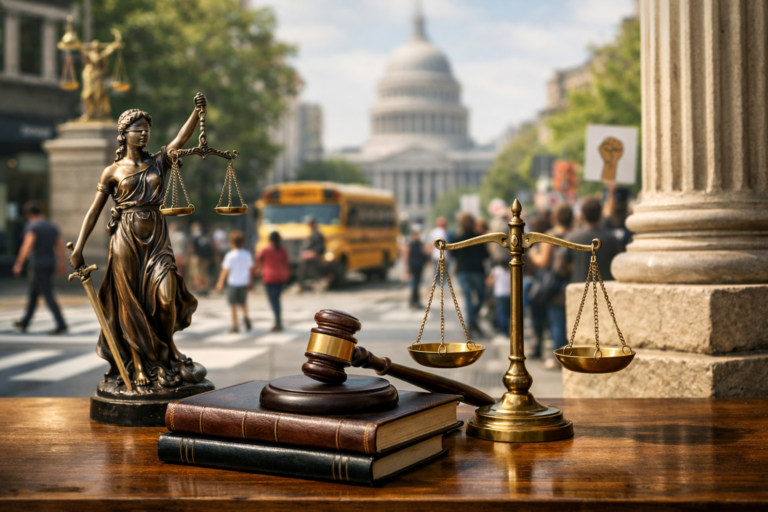
Law is more than a system of rules enforced by courts; it is a social institution that reflects values, resolves conflicts, and guides collective life. Understanding the relationship between society and law reveals how rights, duties, and justice evolve over time.
Home: The Meaning, Function, and Feeling Behind the Place We Return To
Home is more than a structure made of walls and a roof; it is a place of identity, comfort, memory, and belonging. This article explores what makes a home meaningful, how it serves everyday life, and why its emotional value matters so deeply.