
The Living Idea of Home: Shelter, Memory, and Belonging
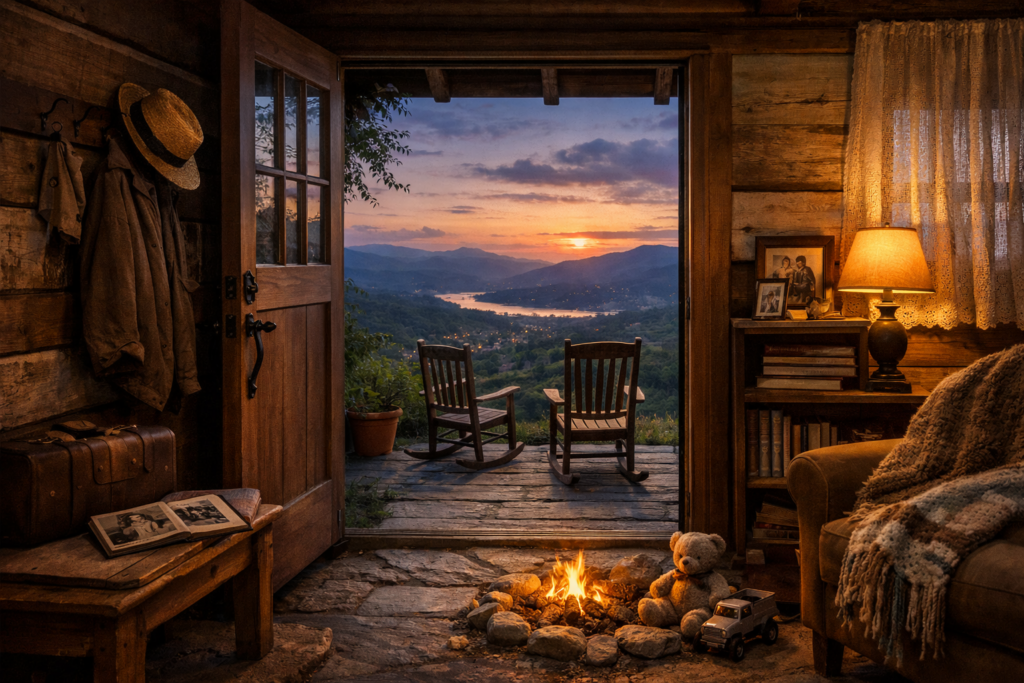
Home as More Than a Place
Home is often described in physical terms: a house, an apartment, a room with a door you can lock. Yet the feeling of home tends to arrive from something less measurable—familiar sounds, routines that steady the day, and the sense that you can be fully yourself without performing for anyone. For some people, home is where they grew up. For others, it is a chosen space built after moving, traveling, or starting over. In every case, home acts as a personal “base camp,” a location that provides safety, rest, and the freedom to reset.
This distinction matters because it explains why two spaces with the same layout can feel completely different. Home is a lived experience created over time, shaped by people, memories, and small choices: where you place a chair, what you cook, which photos you display, and how you welcome others inside.
The Emotional Architecture of Home
We typically associate home with comfort, but comfort is not only softness or warmth—it is predictability. The brain relaxes when it recognizes patterns: the light that enters the kitchen in the afternoon, the creak of a floorboard, the familiar path from couch to kettle. These details form an emotional architecture that supports well-being.
Belonging and Identity
Home reflects identity in a quiet, cumulative way. A bookshelf reveals interests; a small altar, art piece, or family heirloom signals heritage; a collection of mugs tells the story of trips and celebrations. Even minimal spaces hold identity through function—what you choose to keep, what you choose to discard, and what you prioritize in daily life. When a home aligns with who you are (or who you are becoming), it can reinforce confidence and stability.
Security and Restoration
A true home offers restoration: a place where the nervous system can downshift. Security is physical (a safe neighborhood, locks that work) but also psychological. It shows up when the home supports privacy, offers room for solitude, and allows boundaries—especially important in shared housing or family life. Restoration can be as simple as a corner with good lighting and a comfortable seat, or as structured as a bedtime routine that signals the day is complete.
Home as a Social Ecosystem
Home is rarely just personal; it is social. It is where relationships are tested, strengthened, and repaired. The way a home is arranged and maintained often mirrors how a household communicates.
Rituals That Create Connection
Many homes become “sticky” in the best sense—people want to gather there—because they host small, repeatable rituals. These can be daily (a shared breakfast), weekly (movie night), or seasonal (a meal prepared the same way every winter). Rituals reduce decision fatigue and make space for presence. They also help children and adults alike feel grounded, because the rhythm of home becomes a kind of internal calendar.
Hospitality Without Perfection
Hospitality is often misunderstood as entertaining. In reality, it is the practice of making others feel safe and welcome. A home that can host does not need to be spotless; it needs to be navigable and considerate. Clear seating, a place to set a drink, and a relaxed attitude do more than expensive decor. The most inviting homes communicate: “You can exhale here.”
Designing a Home That Supports Real Life
Home design is most successful when it responds to the people living there rather than to trends. A functional home reduces friction, making it easier to cook, rest, focus, and reconnect. The goal is not a showpiece, but a space that actively helps you live the way you intend.
Practical Comfort: Light, Sound, and Flow
Three elements strongly influence how a home feels: lighting, sound, and flow. Natural light can lift mood and regulate sleep patterns; layered lighting (overhead, task, and ambient) helps spaces adapt to different times of day. Sound matters too—soft furnishings, rugs, curtains, and books can reduce echo and make rooms feel calmer. Flow is about movement: clear pathways, logical storage, and furniture that supports how you actually use the room.
Storage as a Form of Care
Clutter is not only visual; it can create mental noise. Thoughtful storage is a form of care because it protects attention. Useful storage is less about buying more containers and more about matching items to their “home base.” Everyday essentials should be easy to reach; occasional items should be easy to find. When storage supports routine, tidying becomes less of a battle and more of a reset.
Home Across Life Changes
Home is dynamic. It evolves with careers, relationships, health, and age. A first apartment might represent independence; a shared home might represent compromise and teamwork; a later-life home might prioritize accessibility and ease. Sometimes home changes by choice, and sometimes through circumstances like relocation, loss, or financial pressure. In each transition, people often rebuild a sense of home by recreating a few anchors: a familiar scent, a beloved blanket, a particular style of music, or a recurring routine.
Even when someone is between places, “home” can be carried through habits and community. A neighborhood café where the staff knows your name, a local park walked at the same time each day, or a group of friends who gather regularly can provide the same emotional stability we normally attribute to walls and keys.
Ways to Make a Space Feel More Like Home
Creating home does not require a renovation. Small, intentional actions can increase comfort and meaning quickly, especially in rentals or temporary living situations.
- Start with one restorative spot: a chair by a window, a bedside setup, or a clutter-free table for tea or journaling.
- Use scent and sound: a cooking staple, a candle, or a playlist can create instant familiarity.
- Display what matters: a few photos, art prints, or objects with stories communicate identity.
- Improve lighting: add a warm lamp or softer bulbs to make evenings calmer.
- Reduce friction: place hooks where you drop bags, a bowl for keys, and storage near where items are used.
- Create a simple ritual: a weekly meal or a nightly reset can turn space into tradition.
The Meaning We Build Inside It
At its core, home is the place where life is allowed to be unedited. It holds ordinary moments—laundry folded, jokes repeated, quiet mornings—as well as the bigger chapters of celebration and grief. The strongest homes are not defined by size or style, but by how they support the people within them. When a home is shaped with care, it becomes more than shelter: it becomes a reliable source of belonging, a container for memory, and a starting point for whatever comes next.
Listings Related to the Article: The Living Idea of Home: Shelter, Memory, and Belonging
Garland Home Window Replacement
Garland Home Window Replacement provides custom window solutions for homes of all sizes. With professional service and timely installation, they deliver durable, long-lasting results that enhance comfort and curb appeal.
- Category
- Home » Home Improvement » Windows and Doors

Bel Air Basement Waterproofing
Bel Air Basement Waterproofing provides expert solutions to keep basements dry, protected, and structurally sound. With reliable techniques and skilled craftsmanship, they deliver long-lasting protection you can trust.

Al Moosawi
Established in 1986, Al Moosawi Trading has evolved into a leading marine and industrial supplier in the Middle East. With over 1,50,000 sq.ft. of storage, 400,000+ inventory items, and 7 UAE locations, our company is a trusted partner in the Gulf region, offering a diverse range of 6000+ products, including valves of all types and sizes, catering to various applications in the marine and oil industries.
- Category
- Business » Industrial Goods and Services » Industrial Supply
More Articles Like: The Living Idea of Home: Shelter, Memory, and Belonging
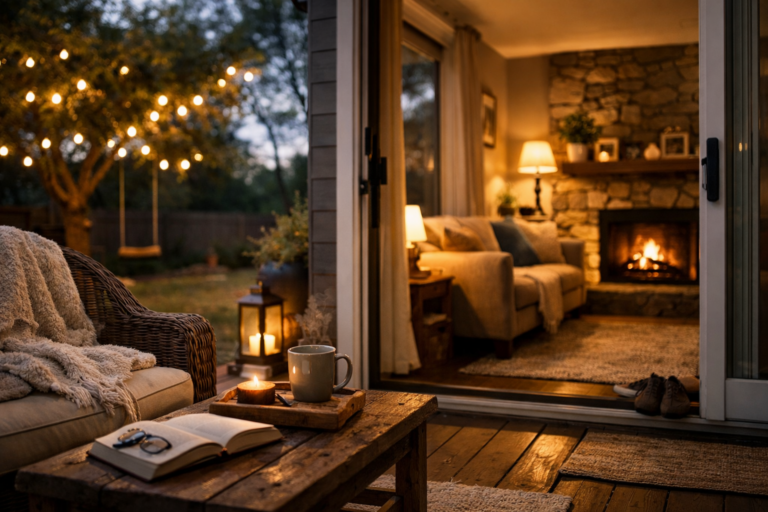
Home: The Meaning, Function, and Feeling Behind the Place We Return To
Home is more than a structure made of walls and a roof; it is a place of identity, comfort, memory, and belonging. This article explores what makes a home meaningful, how it serves everyday life, and why its emotional value matters so deeply.

Recreation: Why Leisure Matters for a Healthier, Happier Life
Recreation is more than spare-time fun; it supports physical health, mental balance, social connection, and personal growth. From outdoor adventures to creative hobbies, meaningful recreation helps people recharge and live more fully.

Recreation Reimagined: How Play, Rest, and Curiosity Keep Life in Balance
Recreation is more than “free time”—it’s a practical way to restore energy, strengthen relationships, and support mental and physical health. This article explores what recreation includes, why it matters, and how to build a sustainable recreational routine.