
The Living Language of Arts: How Humans Make Meaning Visible
What “Arts” Really Means
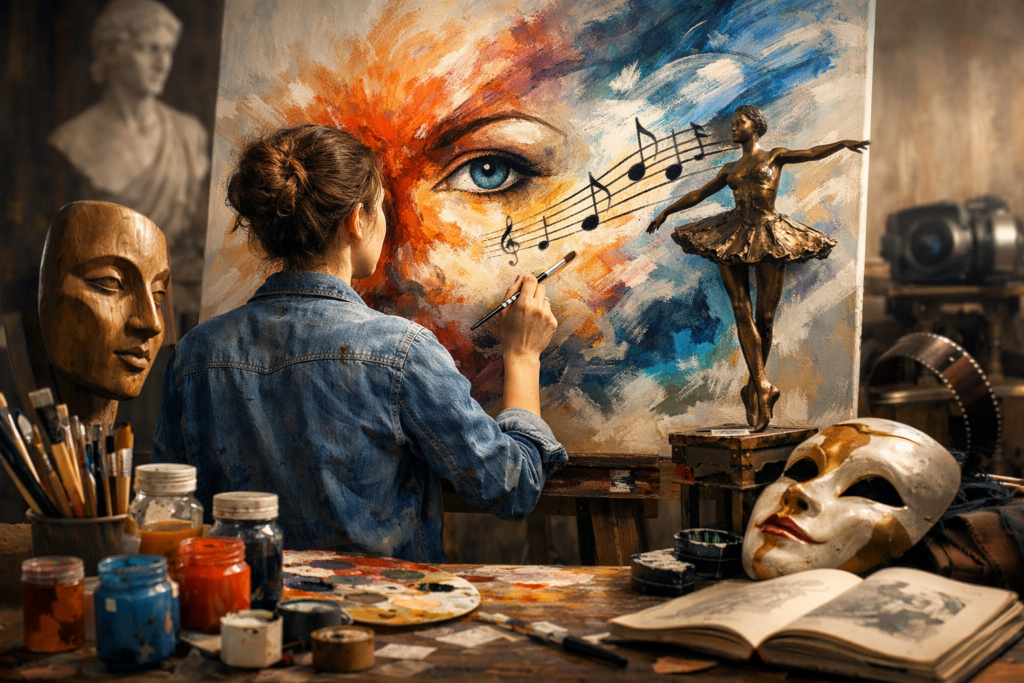
The word arts often brings to mind museums, concerts, or paintings framed behind glass. Yet the arts are broader and more dynamic: they include practices that shape sound, movement, images, stories, objects, and experiences into forms that communicate meaning. The arts can be intimate (a sketchbook page), communal (a festival dance), commercial (a film), or civic (a memorial). They evolve with technology and society, but their core purpose remains consistent—helping humans interpret the world and one another.
Instead of one single field, the arts are best understood as a connected ecosystem. Visual artists borrow rhythm from music; filmmakers borrow composition from painting; designers draw on theater’s sense of staging; poets think like choreographers when arranging pace and silence. This cross-pollination is one reason the arts stay resilient and continually reinvent themselves.
Major Branches of the Arts
Different traditions classify the arts in different ways, but a practical view groups them by the primary medium and mode of experience. Each branch contains countless styles, histories, and communities.
- Visual arts: drawing, painting, sculpture, photography, printmaking, illustration, and many forms of contemporary installation and mixed media.
- Performing arts: music, theater, dance, opera, spoken word, and performance art.
- Literary arts: poetry, fiction, essays, memoir, playwriting, and graphic narratives.
- Applied arts and design: architecture, fashion, product design, graphic design, animation, and craft traditions such as ceramics, textiles, and woodworking.
- Media arts: film, television, games, digital art, immersive installations, and interactive experiences.
These categories overlap constantly. A graphic novel is literary and visual; a video game combines music, storytelling, animation, design, and performance through voice acting; a building can be both infrastructure and sculpture. The boundaries are less like fences and more like meeting points.
Why the Arts Matter Beyond Aesthetics
Art is sometimes dismissed as “extra,” but societies repeatedly turn to it during moments of celebration, conflict, grief, or transformation. That persistence signals a deeper function: the arts help people think, feel, remember, and connect.
Arts as a Tool for Meaning and Empathy
A song can carry the emotional truth of a moment faster than a report. A photograph can make distant events feel immediate. A play can stage moral dilemmas without demanding a single answer. By embodying experiences rather than only describing them, the arts can expand empathy—inviting audiences to inhabit perspectives they might never encounter in daily life.
Arts as Cultural Memory
From oral storytelling to monument-making, the arts preserve what communities choose to remember. They carry language, ritual, humor, and values across generations. Importantly, they also preserve what official histories may overlook: everyday lives, marginalized voices, and local traditions. In this way, artistic archives—songs, textiles, murals, films—become a parallel record of who we are.
Arts and the Economy of Ideas
The arts also have measurable economic impact. They generate jobs (artists, technicians, producers, educators, designers), attract tourism, and feed creative industries like advertising, entertainment, and product innovation. Even when the outcome is not directly commercial, arts training often builds transferable skills—iteration, critique, collaboration, and comfort with ambiguity—that are valuable across professions.
The Creative Process: From Practice to Work
Art is often romanticized as sudden inspiration, but most art is built through practice. A useful way to understand the creative process is as a cycle rather than a straight line:
- Observation and research: gathering references, listening, reading, studying materials, and noticing patterns.
- Experimentation: drafts, improvisations, sketches, rehearsals, prototypes, and tests.
- Revision: editing, reworking structure, refining technique, and clarifying intent.
- Presentation: performance, publication, exhibition, release, or installation—sharing work with an audience.
- Reflection: critique, feedback, and learning that informs the next cycle.
This cycle highlights a key truth: art is not only a product but also a discipline. It can be playful, but it is rarely effortless.
Arts in the Digital Age
Technology has not replaced art—it has multiplied its forms. Digital tools reduce barriers to entry (a phone can be a camera, studio, and editing suite) and enable global distribution. At the same time, they raise new questions about authorship, authenticity, and sustainability.
New Tools, New Possibilities
Artists now work with 3D modeling, motion capture, projection mapping, generative systems, and interactive media. Audiences can experience concerts through live streams, explore museums virtually, or participate in collaborative online storytelling. These tools expand access and create novel aesthetics, but they also demand new literacy: understanding platforms, algorithms, and the ways digital environments shape attention.
Preserving the Human Element
Even in highly technical work, audiences often respond most strongly to what feels human—intentional choices, risk, vulnerability, and the trace of labor. A perfectly polished surface can impress, but the arts endure because they communicate something lived. The digital age makes it easier to produce; it also makes it more important to develop a point of view.
How to Engage with the Arts (No Expertise Required)
Many people believe art is only for those with training, but engagement can be simple and personal. The goal is not to “get it right,” but to pay attention.
- Practice slow looking or listening: spend five uninterrupted minutes with a work and notice what changes.
- Ask basic questions: What is happening? What is the mood? What materials or techniques stand out?
- Follow your curiosity: if something confuses you, read about its context or explore related works.
- Support local art: attend community shows, buy a print, or share an artist’s work responsibly.
- Make something small: a poem, a sketch, a playlist, a photo series—creation deepens appreciation.
Conclusion: Arts as a Shared Human Infrastructure
The arts are not an ornament on society; they are part of its infrastructure. They help people express identity, process change, challenge power, celebrate beauty, and imagine alternatives. Whether encountered in a concert hall, a street mural, a dance studio, or a phone screen, art offers a distinct kind of knowledge—one that speaks through form, feeling, and experience. To engage with the arts is to practice being human with more attention and possibility.
Listings Related to the Article: The Living Language of Arts: How Humans Make Meaning Visible
California Restroom Trailer Rentals
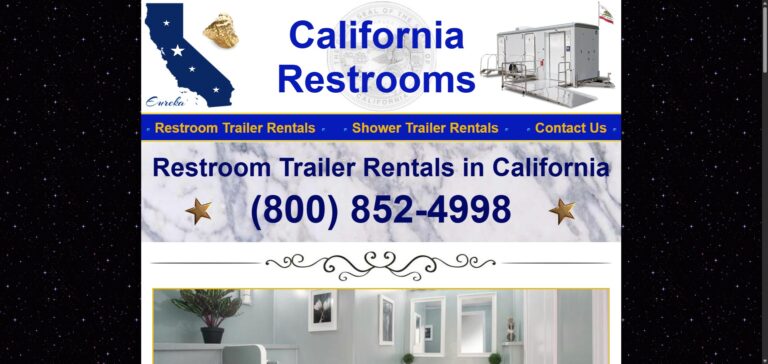
California Restrooms is one of California’s largest and most trusted sanitation providers, specializing in luxury restroom trailers, shower trailers, porta potty rentals, and mobile laundromat trailers. With more than 25 years of experience, the company is uniquely positioned to deliver state-of-the-art restroom and shower rentals at competitive rates, paired with exceptional customer service for every occasion.
Soundation
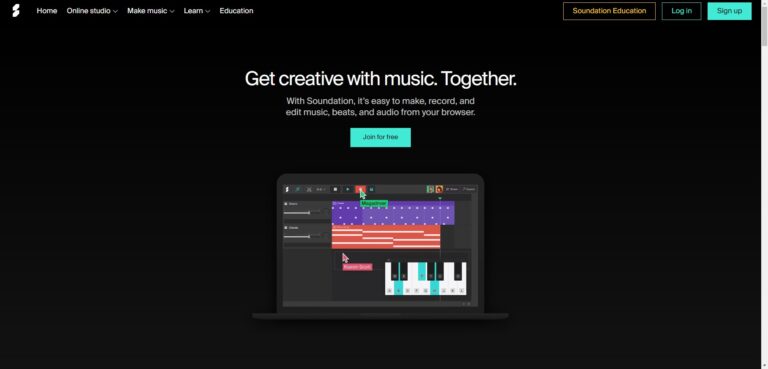
An online studio for creating and editing music tracks collaboratively, providing a platform for music enthusiasts and budding producers.
ArtPal
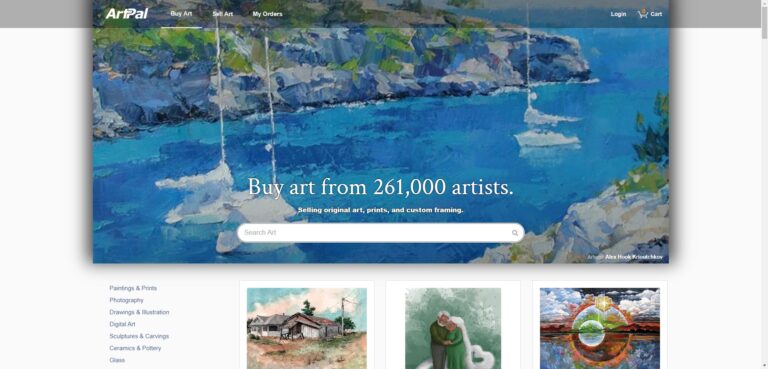
Discover and trade art seamlessly on ArtPal. Explore a diverse selection from numerous artists, including paintings, photography, sculptures, jewelry, crafts, fine art, and more. Additionally, easily customize and frame your chosen artwork online.
- Category
- Shopping » Visual Arts » Galleries
More Articles Like: The Living Language of Arts: How Humans Make Meaning Visible
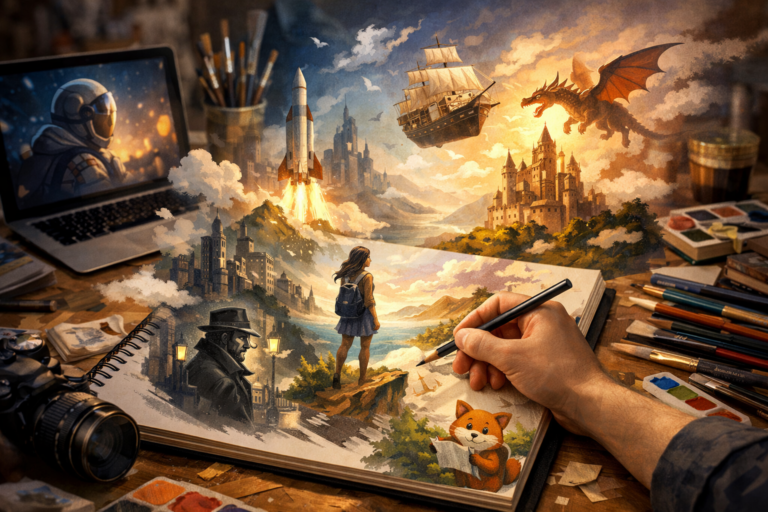
Illustration in Focus: How Visual Storytelling Shapes Art, Media, and Imagination
Illustration is a versatile art form that transforms ideas into engaging visual narratives across books, advertising, editorial media, and digital platforms. Its enduring power lies in its ability to clarify, persuade, and inspire through style, symbolism, and storytelling.

Recreation: Why Leisure Matters for a Healthier, Happier Life
Recreation is more than spare-time fun; it supports physical health, mental balance, social connection, and personal growth. From outdoor adventures to creative hobbies, meaningful recreation helps people recharge and live more fully.
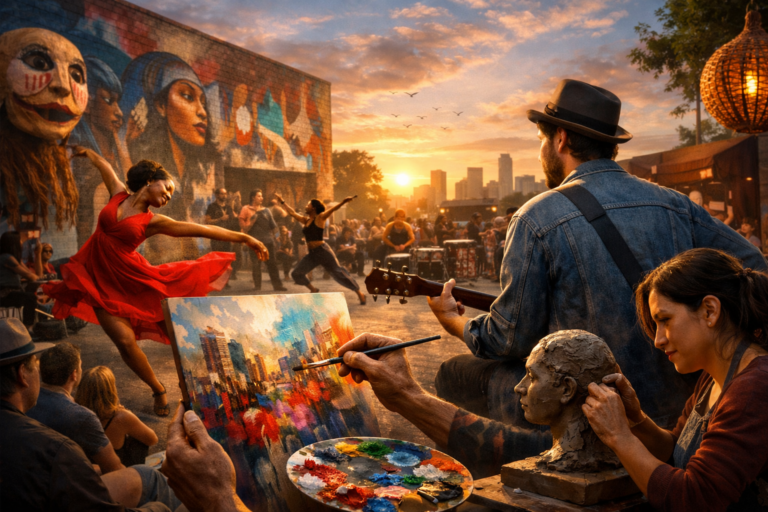
Arts as a Living Language: How Creativity Shapes Culture, Community, and Change
The arts are more than decoration—they are a living language that records history, builds empathy, and powers innovation. From classrooms to public spaces, creative practices help people make meaning, connect, and imagine better futures.