
The Living Language of Arts: How We Make Meaning Beyond Words
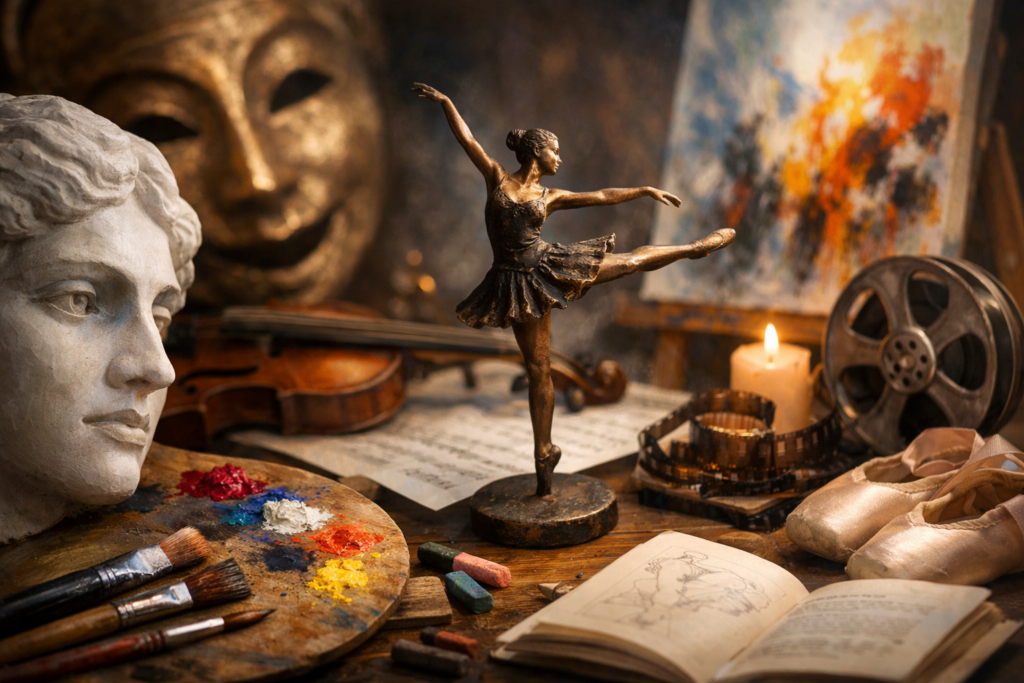
What We Mean by “The Arts”
“Arts” is an umbrella term for creative practices that use skill, imagination, and intention to produce experiences, objects, or performances that communicate meaning. While many people picture galleries and concert halls, the arts also live in theaters, community centers, digital platforms, festivals, classrooms, public spaces, and everyday rituals. A mural on a wall, a dance shared on social media, a film score that changes how a scene feels, or a woven textile passed down through generations—all are forms of artistic expression.
At their core, the arts translate human experience into form. They can be personal or political, sacred or playful, traditional or experimental. They may invite reflection, provoke debate, foster belonging, or simply create beauty. Importantly, the arts are not fixed: new tools and cultural shifts constantly reshape what counts as art and who gets to make it.
Major Forms and Where They Overlap
The arts are often grouped into categories, but real creative life frequently blends them. A film combines visual composition, writing, acting, music, editing, and design. A contemporary installation may merge sculpture, sound, and performance. Understanding the main forms helps, but noticing their overlaps explains why the arts remain endlessly renewable.
- Visual Arts: drawing, painting, sculpture, photography, printmaking, illustration, and installation
- Performing Arts: theater, dance, opera, spoken word, and live performance art
- Literary Arts: fiction, poetry, essays, playwriting, and storytelling traditions
- Music: composition, performance, improvisation, and sound art across genres
- Design & Applied Arts: architecture, graphic design, fashion, product design, crafts, and ceramics
- Digital & Media Arts: film, animation, video art, interactive media, and game art
Why Arts Matter: Functions Beyond “Pretty”
Across cultures and eras, the arts have served vital social and psychological roles. They help communities remember, individuals cope, and societies imagine alternatives. Even when an artwork aims only to delight, it still trains attention—teaching us to notice texture, rhythm, gesture, silence, color, and contrast.
Arts as Communication
Artworks often say what plain language cannot. A melody can hold grief without explaining it. A photograph can compress a complex social moment into a single frame. A poem can reveal contradictions, allowing multiple truths to exist at once. This is not vagueness; it is a different kind of precision—one built from metaphor, mood, and form.
Arts as Cultural Memory
Art preserves identity. Traditional patterns in textiles, the structure of a folk tale, or the choreography of a ceremonial dance can carry history forward when written records are scarce or contested. Museums and archives play a role here, but so do families, neighborhoods, and living practitioners who keep techniques and stories in motion.
Arts as a Space for Critique and Change
Artists often respond to power and inequality by revealing what is hidden or normalized. Satire, protest posters, documentary films, community murals, and experimental theater can all shift public conversation. The arts do not replace policy, but they influence how people feel, what they can imagine, and what they are willing to question.
How Art Is Made: Skill, Process, and Risk
Artistic creation is sometimes romanticized as pure inspiration, yet most art emerges from sustained practice. Artists develop technique, learn materials, and build a personal vocabulary. They also revise, discard, and start over. Process matters because it shapes the final work: brush choice affects texture, editing affects narrative, rehearsal affects timing, and typography affects readability.
Risk is another essential ingredient. Artists take risks by experimenting with form, exposing personal perspectives, collaborating across differences, or challenging audience expectations. Even in traditional art forms, there is risk in trying to do something with care and integrity. That risk is often what gives art its charge—its sense of being alive.
Arts in Everyday Life
The arts are not limited to professionals. People sing in choirs, sketch in notebooks, remix videos, knit gifts, decorate homes, and invent recipes with an aesthetic sensibility. These acts may not seek an audience, but they still cultivate creativity, patience, and attention. They also remind us that art is not only a product; it is a practice of engaging the world.
Public art is another everyday encounter. A thoughtfully designed park, a sculpture in a transit station, or typography on street signs can influence mood and navigation. When cities invest in arts-friendly spaces—studios, small venues, libraries, and affordable housing for creators—they nurture cultural life as a shared resource rather than a luxury.
Arts Education and the Skills It Builds
Arts education is often defended for improving grades, but its value is broader: it builds ways of thinking. Learning an instrument develops discipline and listening. Theater strengthens empathy and collaboration. Visual art trains observation and comfort with ambiguity. Design teaches problem framing and iteration. These skills transfer well beyond the studio.
- Creative problem-solving: generating options, testing, refining
- Critical interpretation: analyzing context, symbols, and intention
- Collaboration: shared goals, roles, feedback, and trust
- Communication: expressing complex ideas through form
- Resilience: learning from critique, revision, and failure
The Digital Shift: New Tools, New Questions
Digital technology has expanded access and transformed production. Artists can publish globally, collaborate remotely, and experiment with tools like 3D modeling, audio software, motion capture, and interactive storytelling. At the same time, new questions arise: Who owns digital work? How do platforms shape visibility? What happens when algorithms influence taste?
Emerging practices—such as generative art, virtual exhibitions, and game-based storytelling—show that artistic innovation is often tied to technology. Yet the essential challenge remains old: how to use tools intentionally, rather than letting tools dictate the message.
Supporting the Arts: Practical Ways to Participate
Healthy art ecosystems depend on audiences, patrons, educators, and community institutions. Support does not require wealth; it requires attention and consistent participation. Small choices—attending local performances, buying from working artists, volunteering, or advocating for school programs—help keep cultural spaces open.
- Visit local galleries, open studios, and community festivals
- Pay for creative work when possible; credit creators when sharing
- Join workshops or groups to make art with others
- Advocate for arts funding in schools and public programs
Conclusion: Arts as a Shared Human Resource
The arts endure because they meet durable human needs: to express, to remember, to question, to celebrate, and to connect. They make private feelings shareable and public realities discussable. Whether encountered in a quiet book, a crowded concert, a handmade object, or a digital space, art invites us to practice attention—and through attention, to find meaning.
Listings Related to the Article: The Living Language of Arts: How We Make Meaning Beyond Words

RI Deck & Patio Builders
RI Deck & Patio Builders design and construct custom decks and patios tailored to your lifestyle. With professional service, durable materials, and attention to detail, they create stylish outdoor spaces built to last.

Denver Landscaping and Design
Denver Landscaping and Design creates personalized outdoor spaces that enhance curb appeal and elevate outdoor living. With a blend of creativity and skilled craftsmanship, they bring lasting beauty and function to every project.
- Category
- Home » Gardening » Landscaping
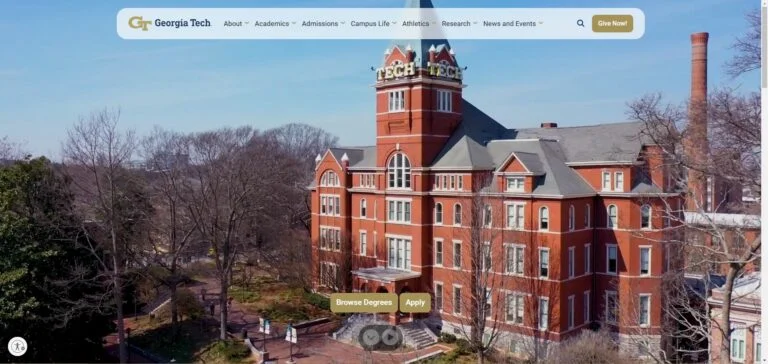
Georgia Institute of Technology
The Georgia Institute of Technology (Georgia Tech) is a leading public research university located in Atlanta, Georgia. Known for its innovative programs in engineering, computing, business, and design, Georgia Tech combines cutting-edge research with a commitment to hands-on learning. With a strong emphasis on technology and entrepreneurship, Georgia Tech prepares students to tackle global challenges and drive innovation across industries.
- Category
- Reference » Education » Colleges and Universities
More Articles Like: The Living Language of Arts: How We Make Meaning Beyond Words
Illustration in Focus: How Visual Storytelling Shapes Art, Media, and Imagination
Illustration is a versatile art form that transforms ideas into engaging visual narratives across books, advertising, editorial media, and digital platforms. Its enduring power lies in its ability to clarify, persuade, and inspire through style, symbolism, and storytelling.

Recreation: Why Leisure Matters for a Healthier, Happier Life
Recreation is more than spare-time fun; it supports physical health, mental balance, social connection, and personal growth. From outdoor adventures to creative hobbies, meaningful recreation helps people recharge and live more fully.
Arts as a Living Language: How Creativity Shapes Culture, Community, and Change
The arts are more than decoration—they are a living language that records history, builds empathy, and powers innovation. From classrooms to public spaces, creative practices help people make meaning, connect, and imagine better futures.