
Where Life Lands: The Many Meanings of Home
Home as a Place, a Feeling, and a Story
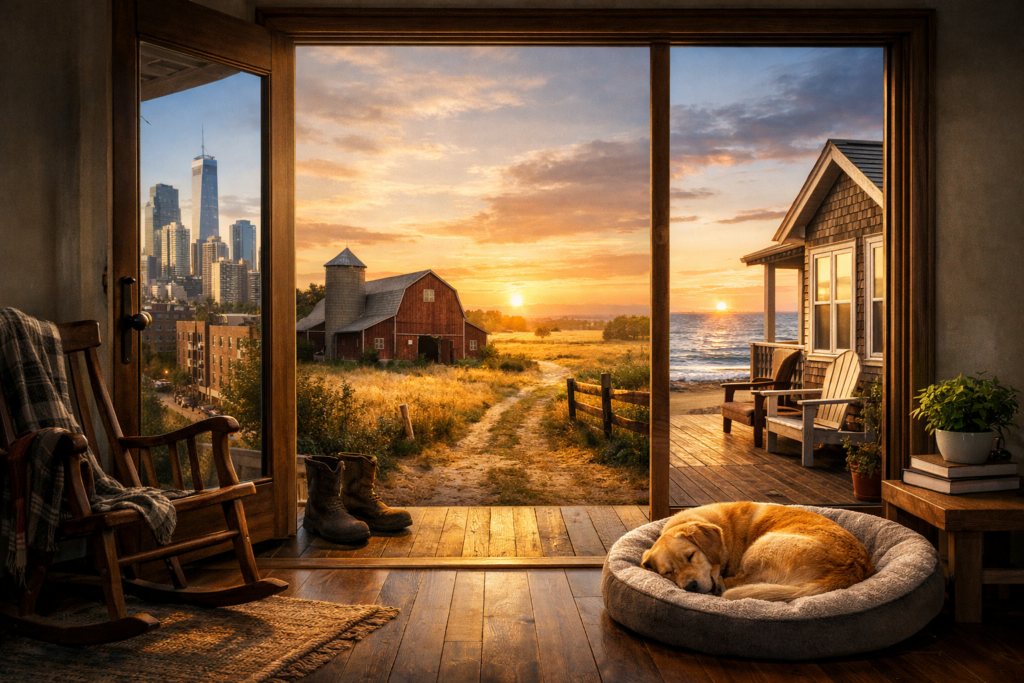
Ask ten people what “home” means and you’ll likely hear ten different answers: an address, a family, a scent from the kitchen, a quiet corner to read, a city skyline, or even a person. Home can be physical—a house, apartment, dorm room, or studio—but it is also emotional and symbolic. It’s where your nervous system downshifts, where your habits make sense, and where your identity has room to breathe.
In many cultures, home is tied to lineage and land; in others, it’s connected to independence and self-made space. For those who move frequently, home may be portable, built from familiar rituals and a small set of treasured items. For those who have experienced displacement, home can be complicated—part grief, part longing, part reconstruction. However it appears, home tends to function as a personal anchor: a reference point for who we are and how we want to live.
The Building Blocks of Belonging
Belonging is often what transforms a “space” into a “home.” While architecture matters, the deeper ingredients are relational and psychological. A home doesn’t have to be large or permanent, but it generally offers a sense of permission: permission to rest, to be imperfect, to express yourself, and to feel safe.
- Safety: Physical security, emotional stability, and predictable boundaries.
- Familiarity: Recognizable patterns—where things are kept, how mornings unfold, what the light looks like at dusk.
- Agency: The ability to shape your environment, even in small ways.
- Acceptance: A sense that you’re not performing; you’re simply being.
These elements can exist in many forms. A rented room can feel like home if it supports your routines and respects your autonomy. A large house can still feel unhomely if it’s dominated by tension, uncertainty, or a lack of privacy. The most enduring homes tend to be defined less by square footage and more by the quality of everyday life inside them.
The Architecture of Everyday Life
Home is where the small moments accumulate into something meaningful. The texture of home often comes from repetition: boiling water for tea, hanging keys on a hook, folding laundry while listening to a familiar playlist. These routines are not merely practical; they are grounding. They reduce decision fatigue, create continuity, and quietly remind us that we have a place in the world.
Even the “imperfect” parts of domestic life can contribute to the feeling of home. A scuffed floor, a chair that creaks, a mismatched set of mugs—these details can become intimate markers of time and use. In contrast, a space that feels too curated or provisional may struggle to convey the warmth of habitation. Home is often the result of living, not staging.
Sensory Signals: Why Home Feels the Way It Does
Our senses play a powerful role in shaping attachment to place. Smell is famously linked to memory; one familiar aroma can pull you instantly into a childhood kitchen or a long-ago holiday. Sound matters, too—the hum of an appliance, the particular quiet of a neighborhood at night, or the creak of a staircase. Light and temperature contribute to comfort, while textures (blankets, wood grain, worn fabric) add tactile familiarity. When people say a place “doesn’t feel like home,” they often mean the sensory cues haven’t aligned with their inner definition of comfort.
Home Across Life Stages
The meaning of home evolves. A first home away from family might represent freedom, experimentation, and identity-building. Later, home can become a hub for partnership, caregiving, or community. For some, home is where children grow; for others, it’s where solitude becomes a chosen luxury. Aging can also reshape home’s priorities: accessibility, calm, medical proximity, and social support may matter more than aesthetics or location.
Major transitions—moving, divorce, migration, job changes, loss—can disrupt the feeling of home. Rebuilding it often requires time and intentionality. New homes become real not on move-in day, but through the gradual layering of lived experience: your first meal, the first friend who visits, the first night you sleep deeply.
Creating Home Wherever You Are
Not everyone has full control over their living situation. People share spaces, relocate for work, live in temporary housing, or face financial constraints. Yet even within limits, it’s possible to cultivate a sense of home by focusing on what you can influence: comfort, order, meaning, and ritual.
- Claim a small “home base”: A desk, a bedside table, a chair by a window—one area that feels distinctly yours.
- Use rituals to create continuity: Morning coffee, evening walks, a weekly meal—repetition makes unfamiliar places feel stable.
- Add personal symbols: Photos, art prints, a favorite book, a plant, or textiles that reflect your taste and history.
- Prioritize comfort: Good lighting, clean bedding, a warm blanket, or a supportive pillow can shift the mood of a space quickly.
- Reduce friction: Simple organization—hooks, bins, a consistent spot for essentials—supports calm and agency.
Home-making is not about perfection; it’s about alignment. The goal is to shape your environment so it supports your life rather than draining it. That might mean creating quiet if you’re overstimulated, adding color if you feel flat, or making space for guests if you crave connection.
Home as Community and Care
Home is often imagined as private, but it’s also relational. It can be strengthened through hospitality—inviting someone in, sharing food, offering a safe place to talk. It can also be strengthened through boundaries—protecting time, rest, and emotional well-being. The healthiest homes balance openness with protection: they welcome, but they also replenish.
In a broader sense, “home” can extend beyond walls. A neighborhood café where the staff knows your name, a local park that becomes part of your routine, a faith community, a sports club, or a circle of friends can all contribute to feeling at home in a city. When people describe being “at home” somewhere new, they often mean they’ve found their people, their rhythms, and their sense of place.
The Quiet Power of Home
Home is where we practice being human: eating, resting, arguing, reconciling, dreaming, recovering. It’s where many of our most ordinary moments happen, and it’s precisely that ordinariness that makes home profound. Whether it’s a lifelong residence or a temporary stop, a home is ultimately a relationship—between you and a space, between you and the people in it, and between you and the life you’re building. When that relationship is nurtured with intention, home becomes more than shelter. It becomes a steady, living refuge.
Listings Related to the Article: Where Life Lands: The Many Meanings of Home

United Better Homes
United Better Homes transforms homes with durable, stylish upgrades that enhance comfort and curb appeal. Backed by skilled craftsmanship and customer-focused care, they deliver reliable service and lasting results.
- Category
- Business » Construction and Maintenance » Remodeling

Sweetwater HVAC Experts
Sweetwater HVAC Experts provide professional heating, ventilation, and air conditioning solutions tailored to your comfort needs. With efficient systems, dependable service, and a focus on long-term performance, they keep homes and businesses running smoothly.

Humble HVAC Repair Pros
Humble HVAC Repair Pros deliver professional heating, ventilation, and air conditioning solutions designed for efficiency, comfort, and long-term performance. With skilled technicians and dependable service, they keep homes and businesses running smoothly year-round.
More Articles Like: Where Life Lands: The Many Meanings of Home
Home: The Meaning, Function, and Feeling Behind the Place We Return To
Home is more than a structure made of walls and a roof; it is a place of identity, comfort, memory, and belonging. This article explores what makes a home meaningful, how it serves everyday life, and why its emotional value matters so deeply.

Recreation: Why Leisure Matters for a Healthier, Happier Life
Recreation is more than spare-time fun; it supports physical health, mental balance, social connection, and personal growth. From outdoor adventures to creative hobbies, meaningful recreation helps people recharge and live more fully.

Recreation Reimagined: How Play, Rest, and Leisure Build a Better Life
Recreation is more than entertainment—it’s a vital set of activities that restore energy, strengthen relationships, and support physical and mental health. From outdoor adventures to creative hobbies, purposeful leisure can improve daily life and long-term well-being.